
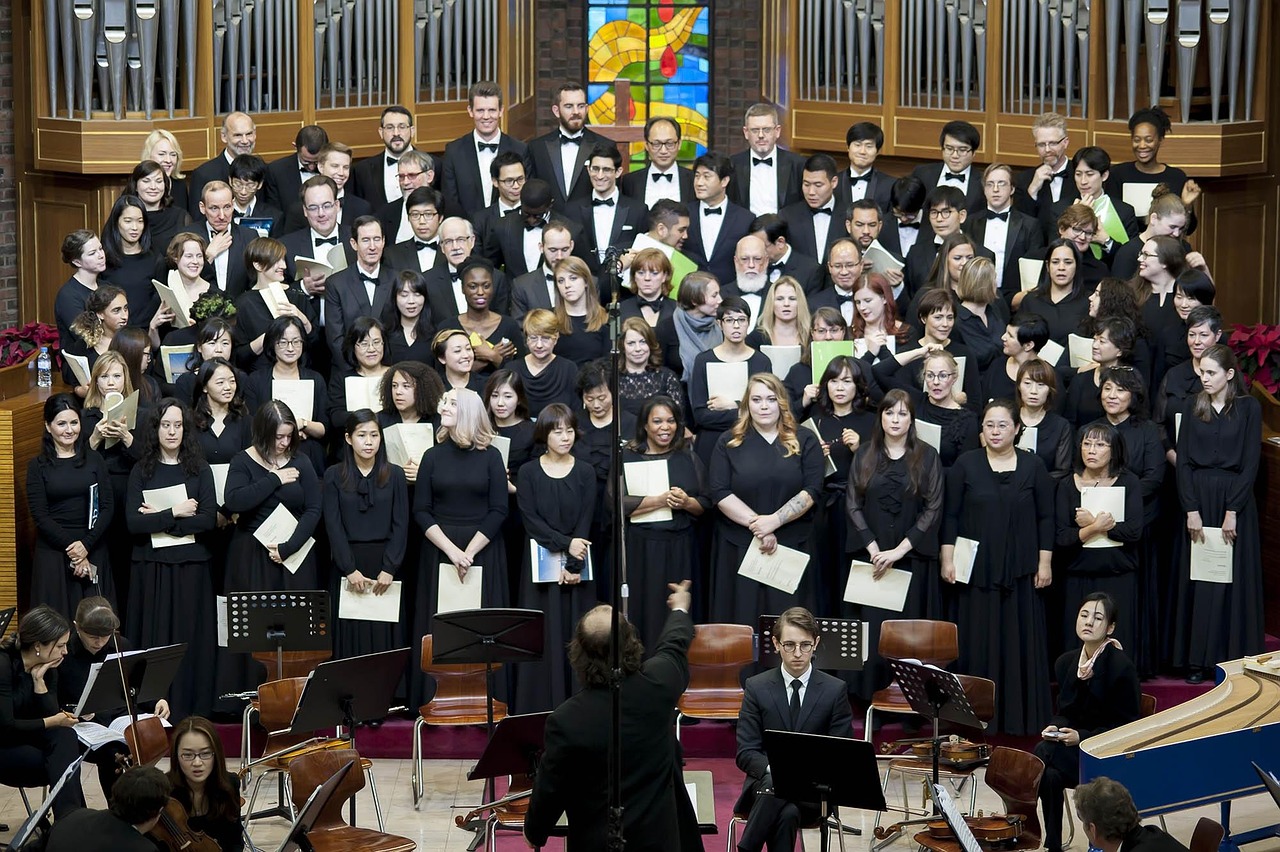
Goal: to offer conductors and singers concrete ways to preserve the voice, the pleasure of singing and the quality of the choir.
Since 2022, À Cœur Joie has been running targeted initiatives: “Café Choral” meetings, “La Voix devant soi” workshops and speech-therapy research. These initiatives inform this guide.
We cover the essential areas: changes in breath support, sensory impacts, memory, mobility, inclusive rehearsal methods and readable score libraries.
Philosophy: to value experience and human richness rather than loss. The conductor’s role is considered here as that of an artistic and human mediator, responsible for the framework and vocal comfort.
The rhythm of sessions, the length of pieces and the time devoted to warm-ups are just as important as the choice of repertoire. This resource center offers checklists, readable formats and ready-to-use exercises.
Promise: immediately usable resources to take action from the next rehearsal. Browse the 17 sections for a complete overview, from choosing works to governance.
Overview of the Resource Center for Choir Conductors and Senior Singers
The À Cœur Joie platform centralizes a clear map: educational pages, practical sheets, meeting replays and downloadable documents to support each group.
The families of tools cover legal matters (copyright, image rights, ticketing), human resources (recruiting and paying a conductor), management (treasury, volunteering) and production (audience safety, shared concert).
Several resource centers are highlighted to guide musical work: CDAC/Cité de la Voix, Éditions À Cœur Joie, La Sinfonie d’Orphée. These references make it easier to choose works and guide conductors.
A new cycle supported by the FDVA 2024-2026 completes the offer. The online meetings “Café Choral” answer practical questions and share experience on conducting choirs.
Access: membership of the association and a members-only code. Consult the resource center before any initiative to secure the organization, clarify roles and save time.
Why Choral Singing After 60 Remains a High-Value Practice
Shared music activates the body and mind throughout life. In France, 8% practice regularly in a group and 83% listen or sing occasionally. These figures show the cultural roots of, and appetite for, collective choral practice.
Cognitive benefits: memory work (texts, melodies), shared attention and coordination. These activities stimulate executive functions and support autonomy.
Emotional and social benefits: emotional expression, stronger self-esteem and a sense of belonging to the group. Workshops in retirement homes strengthen autobiographical memory through familiar songs.
Regular musical work strengthens breath support, posture and intonation. Projects bringing several generations together provide energy, the passing on of experience and motivation.
Online resources extend learning between in-person rehearsals. To go further, explore inclusive rehearsal methods and a readable repertoire.
| Aspect | Benefits | Example |
|---|---|---|
| Body | Posture, breath, mobility | Breathing warm-ups |
| Cognition | Memory, attention | Learning songs |
| Emotion | Expression, confidence | Workshops in retirement homes |
| Social | Cohesion, transmission | Intergenerational projects |
Understanding the Physiological Changes of the Senior Voice
The voice changes with age: the mass and elasticity of the vocal cords change, onset slows and breath endurance decreases.
These changes affect intonation and vocal flexibility. It is important to distinguish what comes with time from what depends on habits: hydration, sleep and physical activity.
Voice, Breath, Intonation and Flexibility
Work progressively through warm-ups. Breathing, release and postural alignment protect vocal health.
Hearing, Sight, Memory and Mobility
Hearing loss impairs self-listening. Visual and tactile feedback become useful for regaining precision.
- High-contrast scores to ease the strain on sight.
- Short segments to lighten the memory load.
- Space layout adjustments to limit mobility constraints.
| Factor | Effect | Recommended action | Reference |
|---|---|---|---|
| Vocal cords | Less elasticity, slow onset | Progressive vocal exercises, breaks | Christine Jager (06/15/2023) |
| Hearing | Reduced self-listening | Visual feedback, cues | Elisabeth Peri-Fontaa (10/2023) |
| Memory | Increased cognitive load | Segment, repeat frequently | Simple teaching methods |
| Mobility | Limited movement | Alternate positions, safety | Adapting the rehearsal setting |
Offer a brief question protocol before each session to identify possible hearing, sight or breathing difficulties, or any pain. These observations guide the choice of working time and prepare the following sections.
Senior Choir: Adapted Repertoire and Conductor’s Advice
Choosing accessible pieces transforms the singing experience for an ensemble and protects the voice. The Café Choral of 10/03/2023 brought together Marie-Catherine Gourdon, Gautier Lemoine and Christophe Corp to guide conductors toward resource centers and more readable formats.
Adapting Keys, Ranges and Lengths
Criteria: comfortable keys, central ranges, reasonable compass, moderate tempos and lengths compatible with endurance.
Score Formats and Score Library
- Transpositions and cuts that preserve musicality.
- Layout: 13-14 point type, wide margins, generous line spacing, visible markers.
- Useful score libraries: collections from Éditions À Cœur Joie, CDAC selections, La Sinfonie d’Orphée catalogs.
A choir conductor can make the work easier by sending materials before rehearsal, offering audio files by section and short videos. Offer variants for each singer (octave, middle voice) and adjust their place in the choir for better listening comfort.
| Goal | Action | Impact |
|---|---|---|
| Vocal comfort | Transpose, cut | Less fatigue, better intonation |
| Readability | Wide layout | Easier reading, autonomy |
| Stage balance | Short formats in small ensembles | Showcasing soloists, breathing room |
| Progression | Protocol by sections and ostinatos | Solid learning, memorization |
Examples: songs with emotional memory, simple canons and light polyphony remain good choices for practice and collective enjoyment.
Inclusive Rehearsal Methods for Singers of All Ages
Organizing rehearsal in short sequences supports attention and protects the voice. Start with a physical then vocal warm-up, with clear goals and planned breaks.
Organization, Breaks and Dynamics
Framework: audible and visible instructions, with both oral and visual channels. Alternate work in the full ensemble and in small groups to maintain the group’s concentration.
Transmission, Memorization and Tools
Send section audio files and annotated scores before the session. Use segmentation: small units, spaced repetition and alternation between singing and speaking to strengthen memory.
Attractive Vocal Games and Vocal Exercises
Offer gentle sirens, echoes and call-and-response exercises. These games make the work playful while developing breath, intonation and resonance.
“Simple, attractive posture and breathing exercises improve learning after 60.” — Café Choral, 05/23/2023
| Goal | Action | Result |
|---|---|---|
| Clarity | Roadmap and visual cues | Singer autonomy |
| Memorization | Segmentation and spaced repetition | Lasting retention |
| Vocal health | Limit very high notes, plan breaks | Less fatigue |
Digital tools: online library, replays and practical sheets for review between sessions.
Learning and Memorizing After 60
Strengthening memory for singing relies on short routines and multisensory cues. The Café Choral of 05/23/2023, led by Myriam Bou, presented practical strategies: adapted transmission, memorization before, during and after rehearsal, and tips for toning memory. The PDF and replay are available online to go further.
Memory and Attention Strategies
Simple principles:
- Break down learning: spoken rhythmic reading, shaping the text’s prosody, then integrating pitch.
- Spaced repetition: short reviews on D+1, D+3 and D+7 with section audio reminders.
- Multisensory anchors: colors, rhythmic gestures, body cues for breathing.
- Pairs within the group: peer tutors and mini-sessions between rehearsals to maintain attention.
“Short, regular routines strengthen confidence and retention.” — Myriam Bou, Café Choral
Practical tools: checklists by piece, personal 10-minute daily routines, online space with replays and slow or fast files. Measuring progress through regular recordings helps adjust the work and the time devoted to it.
Voice and Posture: The Body as the First Instrument
A short physical ritual before each session reduces fatigue and refines vocal production. Lucile Houdré, a psychomotor therapist, presented exercises at the Café Choral of 06/04/2024 that are easy to share with the group.
Gentle Physical Warm-Ups and Breathing to Sing Better
Postural alignment: stable foot support, supple knees, neutral pelvis, open sternum and long neck. These cues make vocal production more comfortable.
Gentle awakening: self-massage, shoulder-girdle stretches and mobilization of the rib cage. These movements prepare breathing mobility.
Breathing: long exhalation, whistled breath, then phonation on fricative consonants to regulate airflow.
Move on to the voice with light sirens, glissandi and sustained vowels at low intensity. Articulate without rigidity.
- Include vocal games: short echoes, onomatopoeia, tempo and dynamic progressions.
- Prevent fatigue: micro-breaks, hydration and listening to bodily sensations.
- Adjust seated or standing practice in case of reduced mobility, without losing breathing efficiency.
Turn an 8- to 10-minute protocol into a ritual before each session and encourage a short daily activity: 5 minutes in the morning to maintain singing practice.
Hearing and Choral Singing: Presbycusis and Hearing Aids
During the Café Choral of 09/30/2024, hearing-aid specialist Sandrine Boisseleau explained the key steps for experiencing hearing aids calmly and regaining confidence in one’s voice.
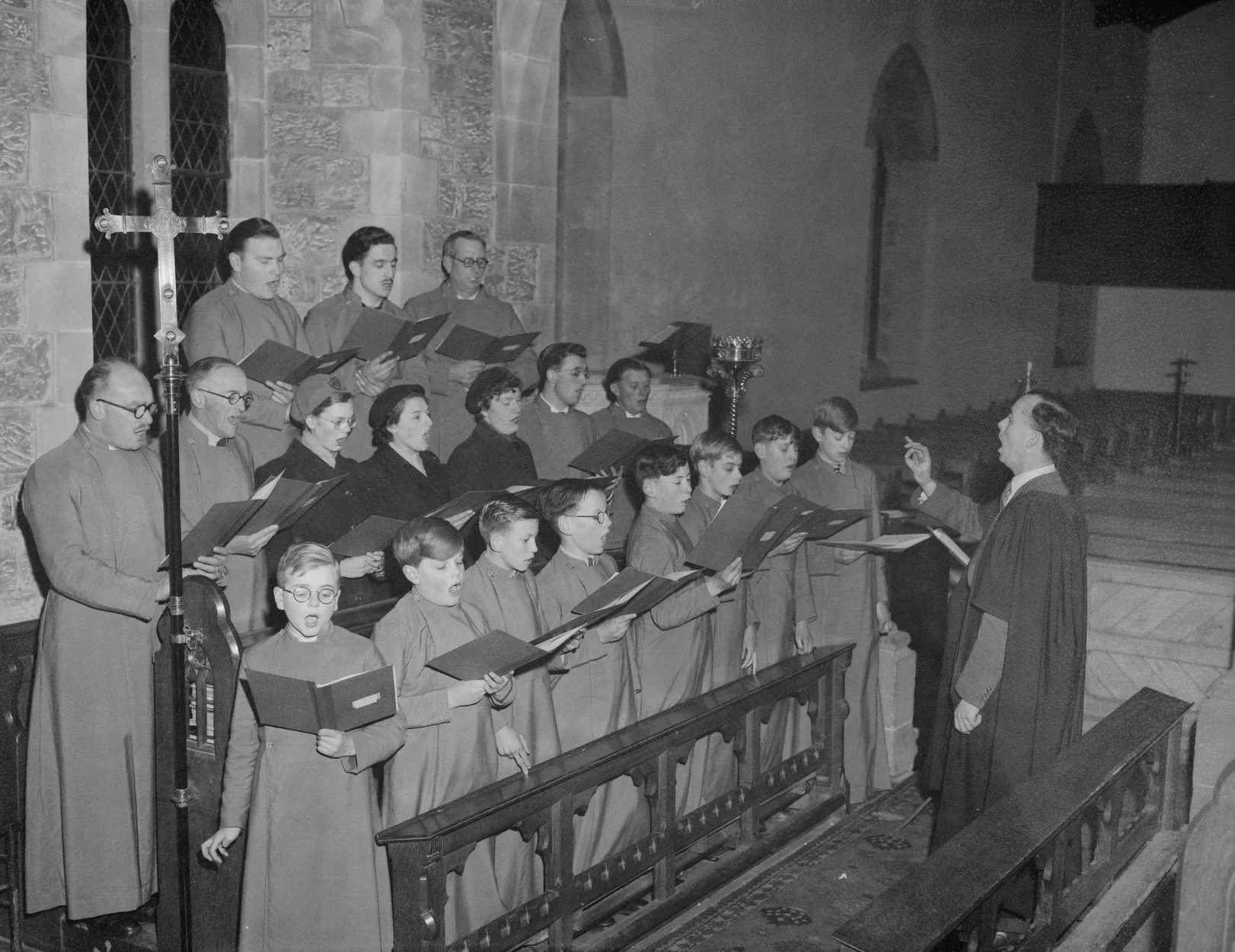
Getting Hearing Aids, Reclaiming Your Voice and Adjusting Your Place in the Choir
Demystifying presbycusis: this is a common evolution of hearing. Regular assessment makes it possible to anticipate hearing loss and avoid vocal isolation.
Hearing-aid pathway: assessment, trial, fine adjustments and adaptation period. Settings should include a music program to preserve harmonic quality.
Practical cues: self-listening exercises with visual or tactile feedback help rest the voice without forcing. Hearing-aid users benefit from working on progressive projection.
| Problem | Recommended action | Impact |
|---|---|---|
| Poor self-listening | Exercises with visual feedback | Better intonation and confidence |
| Saturation or feedback | Placement away from microphones and loud sources | Reduced sound artifacts |
| Hearing fatigue | “Music” programs, planned breaks | Greater endurance in rehearsal |
| Section perception | Listening pairs and spatial rearrangement | Better perception of harmonies |
For the rehearsal framework, invite conductors to set up a listening time at the start of the season. This session records hearing needs and makes it possible to organize technical adjustments.
“Progressive support and adapted settings make vocal reappropriation faster.” — Sandrine Boisseleau, Café Choral
To go further, consult Sandrine Boisseleau’s replay and PDF: they offer concrete protocols, program settings and solutions such as filtering earplugs for musicians.
Choral Practice in Retirement Homes and Nursing Homes
Musical activity in care facilities creates valuable moments of exchange for each person. These sessions mobilize posture, breath, memory and group communication.
Typical format: gentle warm-ups, simple rhythmic games, songs with strong memory value and a short time for discussion.
Workshops: Songs and Rhythmic Games with Strong Resonance
Choosing heritage songs helps trigger memories. Favor well-known refrains, clear texts and simple prosody.
Adapt the length: short sessions, frequent breaks and alternating listening/singing to protect the voice.
Role of the Conductor
The conductor combines rigor and kindness. They secure the framework, value every contribution and encourage voluntary participation.
Open the workshops to families, staff and children to strengthen the intergenerational bond.
| Goal | Action | Impact |
|---|---|---|
| Memory stimulation | Known songs, repeated refrains | Memories activated, attention strengthened |
| Vocal comfort | Short sessions, planned breaks | Less fatigue, better endurance |
| Social life | Opening to relatives and children | Stronger bonds, increased self-esteem |
“Regular workshops improve residents’ mood and participation.”
Intergenerational Choirs: Complementarity and Cohesion
Intergenerational projects offer fertile ground for creating a true ensemble spirit.

Building a Shared Program and Creating Ensemble Spirit
Goals: establish a common language, encourage mutual listening, value each generation and its vocal strengths.
Often, the same conductor prepares parallel programs in school and in a retirement home, then brings the groups together to form a single choir and give a local concert.
First plan separate rehearsals, then progressive meetings. Establish welcome rituals and clear instructions.
- Design mirror pieces: adjusted keys and ranges, accessible texts.
- Mixed placements and inter-age pairs to encourage listening.
- Anticipate logistical questions: transportation, schedules, session length.
| Issue | Action | Result |
|---|---|---|
| Musical | Transpositions, clear scores | Better intonation and comfort |
| Social | Inter-age pairs, shared solos | Solidarity and exchange |
| Logistical | Compatible schedules, safe journeys | Regular participation |
| Stage | Simple staging, smooth transitions | Accessible performance |
“Intergenerational dynamics strengthen social bonds and open up new practices.” — Café Choral, Nov. 2024
Harmonize everyone’s place through the distribution of responsibilities and moments of recognition. To go further, consult the replays and sheets on these projects.
Resource Centers and Repertoires for Choir Conductors
Identifying resource centers makes preparation work and the selection of works easier. Three organizations highlighted at the Café Choral of 10/03/2023 form a reliable foundation: CDAC/Cité de la Voix, Éditions À Cœur Joie and La Sinfonie d’Orphée.
Centers, Publishing Houses and Professional Networks
State your requests clearly: theme, period, ensemble size, section divisions, level and duration. Publishing houses often offer transpositions and study audio files.
- Select collections with comfortable layout and audio tracks.
- Include a few pieces for children or intergenerational projects to diversify the program.
- Use concrete tools: purchase lists, library templates, annotation sheets.
| Resource | Contribution | Practical use |
|---|---|---|
| CDAC / Cité de la Voix | Program advice | Thematic guidance, local contacts |
| Éditions À Cœur Joie | Catalogs and sheets | Downloading audio files, readable layouts |
| La Sinfonie d’Orphée | Editorial references | Selection of simple contemporary works |
Example: mini-cycles of heritage songs, canons and contemporary pieces with clear texts. Work online: listen to excerpts, download sheets and replays to go further.
Tools and Practical Sheets to Make Choral Practice Easier
A documentation kit and ready-to-use templates reduce administrative time and make it possible to prepare each musical project better.
Legal Framework
The À Cœur Joie sheets detail the framework of copyright: performance, reproduction, public domain and arrangements.
They also cover rules on photocopies (SEAM agreement), image rights and ticketing depending on whether the event is free or paid.
Association Management
Contract templates, pay scales, budget outlines and treasury tracking tools are provided to secure the association.
Checklists for expense reimbursements and advice on valuing volunteering make day-to-day management easier.
Artistic Organization and Governance
Guides help organize a shared concert, allocate tasks and communicate to recruit singers.
The recruitment procedure for conductors includes posting the offer, interview questions and examples of responsibilities.
| Theme | Resource | Use |
|---|---|---|
| Copyright | À Cœur Joie sheet | Authorize performances, manage arrangements |
| Photocopies | SEAM agreement | Limit risks and costs |
| Payment | Contract templates | Define employment and expense reimbursement |
| General meeting | Election Runner | Secure voting and traceability |
Practice and Resources
Standard sheets, example cases and FAQs answer recurring questions: when to pay a contributor, how to set a fee, which rules apply to minors.
“Relying on operational templates saves time and protects the association.”
Café Choral Online Meetings: Going Further with Experts
An online cycle structured by À Cœur Joie offers themed meetings to enrich musical practice.
Key themes: memory after 60 (Myriam Bou, 05/23/2023), vocal work (Christine Jager, 06/15/2023), choice of pieces (10/03/2023) and hearing checks (10/13-14/2023).
Voice, Posture and Hearing
The sessions cover voice and posture (06/04/2024), hearing aids (09/30/2024) and intergenerational dynamics (11/07/2024).
How to Make the Most of Replays
Watch them before the season, extract the protocols and share the materials by section. The PDFs and replays make it possible to set up routines in rehearsal.
“The online meetings offer concrete tools to gain vocal comfort and cohesion.” — À Cœur Joie
| Goal | Resource | Use | Impact |
|---|---|---|---|
| Learning after 60 | Myriam Bou replay | Memory protocols | Stronger memorization |
| Vocal work | Jager videos | Targeted warm-ups | Less fatigue |
| Hearing | Peri-Fontaa / Boisseleau | Exercises and settings | Better self-listening |
| Group | Nkhili | Inter-age strategies | Greater cohesion |
Practical advice: plan a mixed online and field cycle to apply, test and pool feedback among conductors.
Projects, Workshops and Applied Research
La Voix devant soi has offered, since 2022, a workshop-laboratory format combining choir, practical workshops and evening discussion sessions. The model encourages co-construction with those most directly concerned in order to test protocols that can be transferred to everyday work.

La Voix devant soi: Sessions and Conferences
The 2022 edition in Pornichet and the 2023 edition brought together Raphaël Terreau, Christine Jager and Élisabeth Peri-Fontaa to address voice, hearing and posture.
The sessions combine small-group workshops, practical work in the full ensemble and structured feedback. Replays and summaries are available to build skills.
Session 4 is scheduled for 10/11/2025 at Château Laval, in Gréoux-les-Bains.
Speech-Therapy Research and Prevention
Cécile Lemière’s thesis, defended at the University of Lorraine in 2023, produced a protocol to equip leaders and integrate prevention of vocal aging into choir work.
This work provides short routines, practical sheets and evaluation ideas to insert into rehearsals.
| Element | Content | Practical use |
|---|---|---|
| Concept | Workshop-laboratory: workshops, evening sessions, co-construction | Test and adapt methods in real situations |
| Contributors | Conductors, teachers, ENT-phoniatricians | Coverage of voice, ear, posture |
| Results | Summaries, tools, replays | Transferable to rehearsal work |
| Impact | Skill-building, cohesion | Durability of practices in the choir’s life |
“Linking a workshop with implementation over time makes it possible to transform practices sustainably.”
To go further: involve assistant choir conductors and section leaders, capitalize on feedback and plan a workshop + implementation pair to anchor the protocols.
Governance and Funding: A Solid Framework for Your Activities
Clear management ensures the sustainability of activities and members’ peace of mind. À Cœur Joie, supported by the FDVA 2024-2026, offers practical sheets to formalize this framework.
The resources explain the roles of the general meeting, the board of directors and the leaders. They clarify responsibilities, risks and procedures that secure the life of the association.
The resource center details funding levers: FDVA, grants, compliant ticketing, sponsorship and membership fees. It also provides tools to build a provisional budget and monitor treasury.
- Contract templates to pay conductors and contributors.
- Checklists, minutes and compliance procedures.
- Election Runner for hybrid general meetings, traceability and voting transparency.
Membership gives access to these reserved sheets, support and regulatory monitoring. Clear governance strengthens trust and the joy of acting together.
Conclusion
To go further, À Cœur Joie’s sheets, replays, workshops and research form a concrete kit. They help understand the changing voice, adapt musical choices, structure rehearsal and think through posture and hearing.
Choral singing remains a powerful factor in health, social connection and confidence in collective life. Conductors and choirs have the role of creating inclusive, demanding and supportive frameworks.
To go further, plan a viewing cycle, test warm-up protocols, reassess score readability and secure governance. Document, share and launch a three-month calendar to put these ideas into music.
Even further: mobilize intergenerational projects and local resources to strengthen momentum. Music unites and sustains the joy of a living group.