
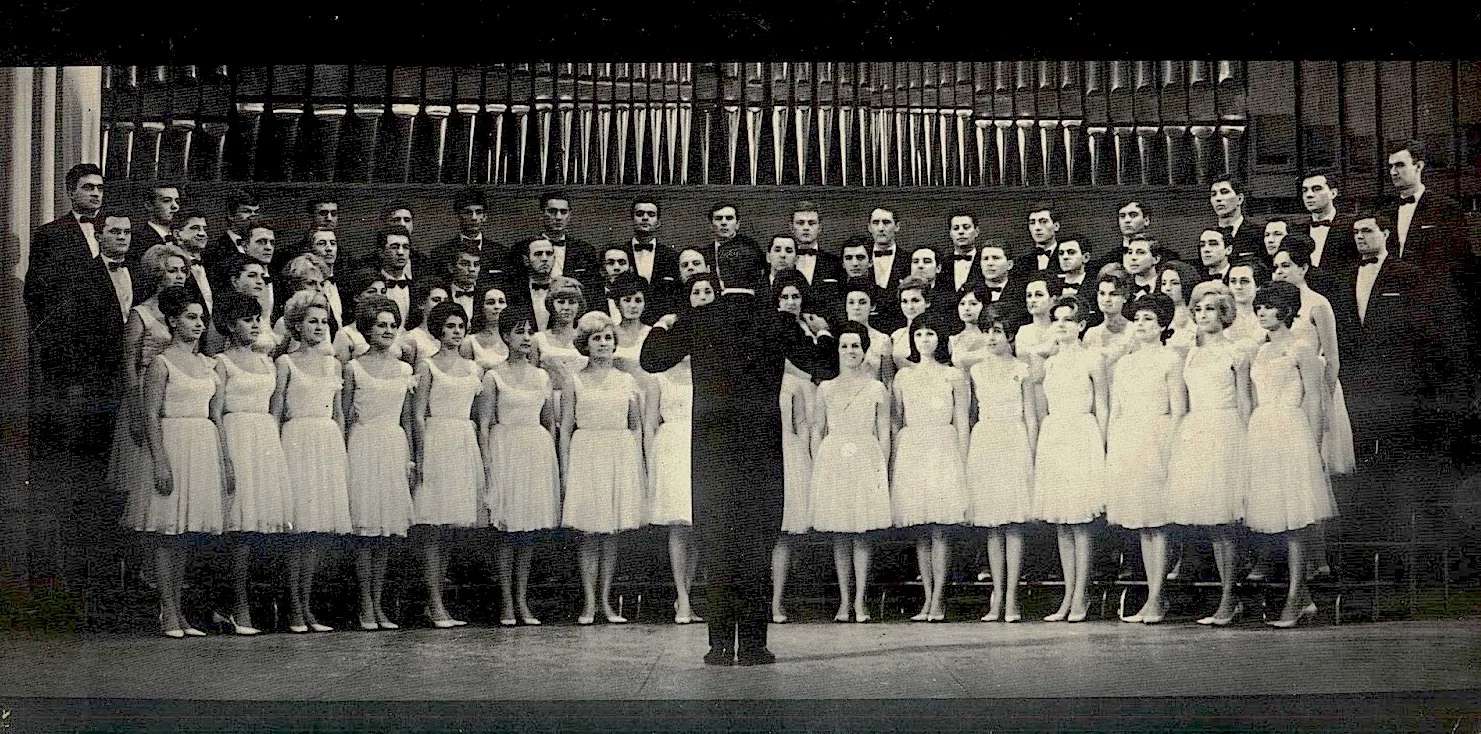
This guide clarifies the regulatory framework that governs choir in middle school. It presents the texts of the orders, the definition of the course and the role of the program, in order to provide simple and reliable access to the information.
The optional course represents 72 hours per year, with at least one hour per week. Up to 36 hours may be devoted to exceptional rehearsals before concerts. These parameters make it easier to plan and successfully carry out performances.
These hours must be correctly entered in the VS and weightings applied if necessary. Combining them with other options is possible, which facilitates students’ mobility within the educational offer.
Finally, the EFCC adds value to the DNB: a bonus of 10 or 20 points if the objectives in cycle 4 are met or exceeded. The vademecum, structured in three sections: administrative, pedagogical and partnership-based, guides day-to-day implementation.
General Overview and Educational Challenges of Choral Singing in Middle School
Practicing singing in a group in middle school brings perception and production together. This learning approach is based on music education through sensitivity, emphasizing active listening and creativity.
Official resources set out four didactic fields: singing, listening, exploring, exchanging. They serve as a framework for structuring progression, teaching sessions and assessments.
From an educational standpoint, a collective vocal project develops social and attentional skills. Students improve their memory, concentration, confidence and ability to cooperate.
This system fits within an inclusive framework. It welcomes all levels without prerequisites and promotes equal opportunity. By combining artistic aims with school expectations, it nurtures a shared culture and strengthens young people’s engagement.
Choral Singing in Middle School: Official Texts and Practical Guidance
The regulations provide clear reference points for organizing vocal teaching in schools. They specify the annual duration, inter-cycle access and participation conditions without prerequisites.
Order of May 9, 2015
Definition: the optional course is set at 72 hours per year, including at least one hour per week. It may bring together several levels and cycles, and is open to all volunteers.
Order of December 31, 2015
This text authorizes combining it with other optional courses, making it easier to build diversified and coherent pathways for students.
Order of July 17, 2018 (Official Bulletin)
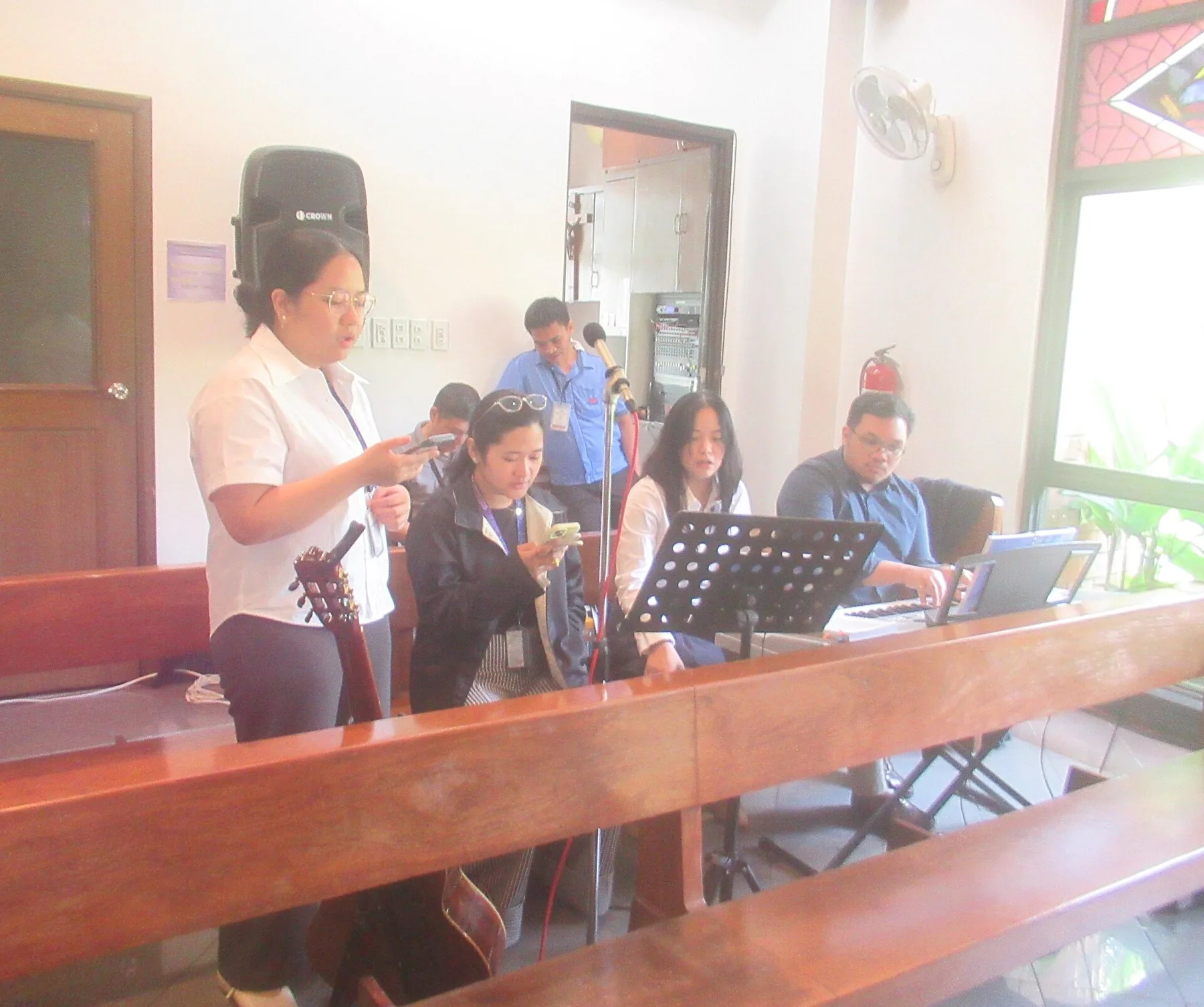
The EFCC program is established and refers to a vademecum in three sections: administrative, pedagogical, partnership-based. This guide serves as an operational manual for teams.
2019 DNB Framework Note
The note specifies a bonus of 10 or 20 points depending on whether the objectives at the end of cycle 4 are met. It also opens up the possibility of an oral presentation within the PEAC framework.
Practical reading: these provisions make it possible to organize hours, clearly display the offer and give the approach value in the diploma. For feedback and points to watch, see this analysis.
Framework and Program for the Optional Choral Singing Course
The system is based on admission without selection, bringing together several levels to encourage collective progress.
Mixed levels and inter-cycle work strengthen peer support: more advanced students tutor others, the diversity of repertoires increases and differentiation becomes practicable.
The annual allocation follows the 72-hour rule. At least one hour per week is provided. Up to 36 hours may be used for exceptional rehearsals, often before concerts.
The program objectives cover building a repertoire, accuracy, listening, polyphony, expressiveness and stage presence. Works are placed within cultural reference points to enrich music education.
- Learning periods and run-throughs
- Short residencies and sessions with accompanists
- Rehearsals calibrated according to the performance calendar
Simple tools help with monitoring: program road map, objective grids, logbooks. For an example of a road map, see the program road map.
Administrative, Statutory and Service Management Aspects
Organizing the service relies on simple rules for entering, weighting and monitoring hours. Entry in the VS must be explicit: mention the activity, the annual hourly volume and the weekly distribution in accordance with the order. Add the note optional course to guarantee traceability.

Entry in the VS, Weightings and DHG
Check the weightings, particularly in REP+ or for the upper secondary lycée cycle, when recording them. Integration into the DHG often requires a written rationale and a vote by the board of administration to approve at least 1 hour per week.
Role of Teachers
Music education teachers naturally lead the activity. However, taking it on is not a statutory obligation and may not exceed service maximums: 20 hours for certified teachers and 17 hours for agrégés, with compulsory overtime within regulatory limits.
Pacte: Framework to Respect and Points of Vigilance
The activity does not fall under the Pacte. If there is an attempt to include it, rely on the order of May 9, 2015 and contact representatives if necessary.
- Practical tips: VS forms, weighting tables, supporting documents for exceptional rehearsals.
- Draft a motion and rationale for the DHG; plan the decision-making calendar.
- Anticipate equipment and supervision to secure management.
Recognition in the DNB and the Artistic and Cultural Education Pathway
The brevet can include a measurable bonus for students who take the optional course in cycle 4. If the EFCC objectives are met, the candidate receives 10 points in the DNB; if they are exceeded, the bonus rises to 20 points. Note that only one optional course is taken into account for this bonus.
DNB Oral Presentation Linked to the PEAC: Expected Content
The oral presentation may focus on a project carried out in choir. Students must present the works studied, detail the stages of progression, and explain the research and rehearsals. They must also analyze the difficulties encountered and the solutions implemented.
Combination, Limits and Recognition
The two systems can be combined: the numerical bonus and the oral defense can both highlight the pathway. However, respect the rule limiting the bonus to one optional course.
- Useful tools: PEAC forms, project file, recordings and certificates.
- Coordinate courses so that the file reflects pedagogical coherence.
- Structuring the approach strengthens recognition in the DNB and the educational scope of the project.
Practical advice: archive evidence and assessments to facilitate evaluation and the end-of-cycle oral presentation, and recall the possibility of highlighting the optional choral singing course within the PEAC pathway.
Teaching Resources and Didactic Lines in Music Education
The support documents propose a pedagogy through sensitivity that places action at the heart of sessions. The guiding thread relies on four didactic fields to structure the work.
Singing, Listening, Exploring, Exchanging: Four Fields for Learning Through Action
Singing establishes vocal practice and technical routines: breathing, vocal production, diction.
Listening refines perception and intonation through comparative listening and contextualization.
Exploring invites students to experiment with rhythms and timbres to strengthen creativity.
Exchanging makes it possible to verbalize, build reference points and strengthen group cohesion.
Developing Skills, Cultural Knowledge and Techniques
Structure progressions that connect the development of skills with the acquisition of cultural knowledge: styles, periods, works.
Plan formative assessments with explicit criteria: vocal control, rhythmic precision, quality of listening and engagement.
- Encourage self-assessment and regular feedback.
- Use adapted scores, recordings and digital tools to strengthen continuity.
- Connect the program to simple analyses to nourish artistic and cultural culture.
“Active sessions support memorization, intonation and group cohesion.”
These resources help teachers equip students for lasting and measurable progress.
Managing the Choral Project, Partnerships and Planning
Leading a successful vocal project requires clear coordination between educational stakeholders and partners. The vademecum associated with the order of July 17, 2018 structures action into three sections: administrative, pedagogical and partnership-based. These chapters place students and teachers in the best conditions for success.
Vademecum in Three Sections: Administrative, Pedagogical, Partnership-Based
Administrative: entry in the VS, DHG, responsibilities and validation procedures. Pedagogical: objectives, progressions, assessment. Partnership-based: relations with cultural organizations, local authorities and associations.
2017/2018 and 2018/2019 Surveys: Trends and Support
National surveys show material needs, varied concert formats and fluctuating numbers. The Choir Plan supports the development of the EFCC and facilitates bridges toward lycée.
Organizing Concerts and Exceptional Rehearsals
Plan the 36 hours dedicated to run-throughs, sound checks and workshops before performances. Define clear governance: distribution of roles among teachers, cultural coordinators and partners, and safety procedures.
| Section | Key Actions | Responsible Parties |
|---|---|---|
| Administrative | VS entry, DHG, authorizations | School leadership, school administration office |
| Pedagogical | Progressions, assessments, reviews | Teachers, PEAC coordinator |
| Partnership-based | Networking, outside contributors, technical support | Local authorities, cultural organizations |
“A shared calendar and clearly defined roles reduce risks and improve artistic quality.”
Implementing and Securing Recognition for the Choir Within the School
Securing recognition for the choir requires an organized approach. Prepare a clear file for the board of administration. Present legal, pedagogical and quantified elements.
Making the Case to the Board, Integrating the Choir into the Hourly Allocation
Strategy: rely on the order, the program and the benefits in education. Request the inclusion of at least 1 hour per week in the DHG.
Example wording for a motion: “The board approves the integration of the choir as an optional choral singing course and provides 1 hour per week to guarantee access for all students.”
- Show enrollment figures and the calendar.
- Present the pedagogical objectives and logistical needs.
- Explain how it fits with other activities to avoid timetable conflicts.
| Element | Content | Responsible Party |
|---|---|---|
| File | Enrolled students, objectives, calendar | Lead teacher |
| Decision | Motion to the board, DHG integration | School leadership, administrator |
| Monitoring | Resources, timetables, communication | CPE, school administration office |
“A solid file facilitates institutional recognition and stabilizes the offer for families.”
Conclusion
The practice of choral singing framed by the EFCC, the 2015 and 2018 orders and the vademecum provides a stable framework for music education. The 72-hour annual format, including up to 36 hours for exceptional rehearsals, supports clear progress for students.
From a regulatory standpoint, the levers are concrete: entry in the VS, management of weightings, respect for status and exclusion from the Pacte. These points secure the implementation of courses and the optional choral singing course.
Finally, recognition in the DNB and the PEAC oral presentation strengthen individual motivation. By focusing on team cooperation, openness to partnerships and didactic progression, the school reconciles artistic and cultural ambition with academic success.