In September 2023, Robert Ingari published La répétition efficace with Éditions JFD. This book, enriched by Jennifer Y. M. Lee, offers an orderly, interactive method for choral singing.
The approach puts the score back at the center of the work. It shows how good preparation saves time and supports the interpretation of the works.
The text offers practical tools for structuring, leading, and adjusting each session. It explains why a clear process strengthens section motivation and the conductor’s confidence from the very first meeting.
To explore training and reference frameworks in greater depth, see the training program and the assessment framework. This guide lays out a step-by-step process for turning every rehearsal into a driver of artistic effectiveness.
The Fundamentals of an Effective Rehearsal for Choral Singing
Placing the musical structure at the heart of the session turns every objective into a clear step. This approach allows the choir director to build a guiding thread in which every moment is aimed at a specific result.
Proven Principles: Orderly and Interactive Work
The work alternates guided listening, targeted exercises, and group sharing. Dialogue between conductor and singers encourages quick adjustment.
Making Use of the Work’s Musical Construction and the Score
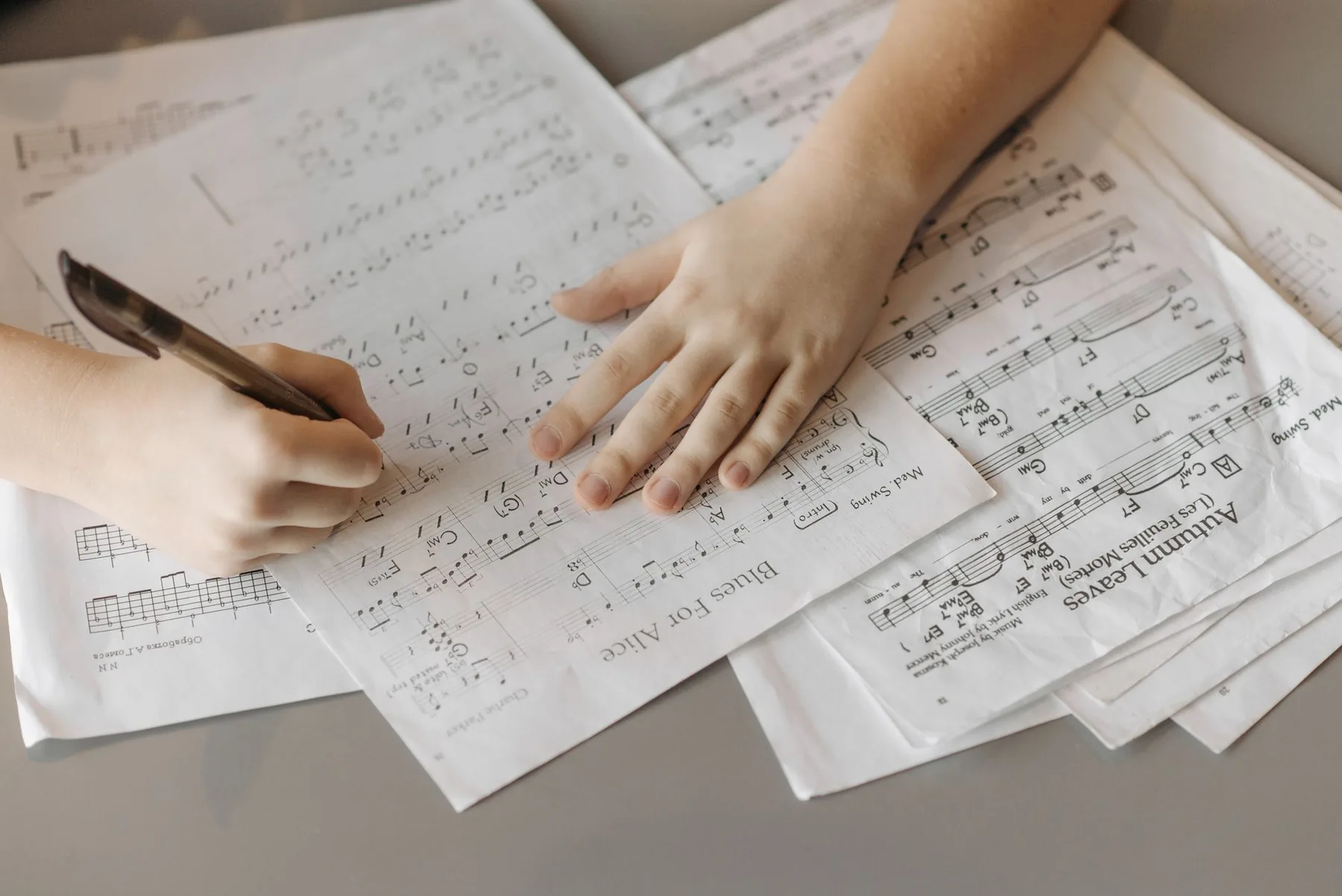
Analyzing the form, harmonic landmarks, entries, and cadences structures the session plan. The score becomes an annotation tool: pencil and eraser help singers memorize dynamics, breaths, and diction.
Supporting Adult Learners for Consistent Results
The approach takes the adult’s learning pace into account. Rephrasing, allowing time for practice, and offering short exercises strengthen the voice and autonomy.
- Anticipate technical pitfalls by using the elements of the score.
- Insert brief exercises to stabilize intonation and attacks.
- Allowing mistakes creates a calm climate that encourages singers’ engagement.
To explore teaching methods suited to schools in greater depth, see this practical guide: La chorale à l’école — how to use it.
Choir Director: Organizing an Effective Rehearsal Step by Step
Start by mobilizing the neck, shoulders, and breath in order to prepare the vocal instrument.
Physical warm-up: releasing the rib cage, small stretches, and controlled breathing. Then come targeted vocal exercises to establish pitch accuracy, vowel alignment, and resonance.
Establishing Listening, Posture, and Placement
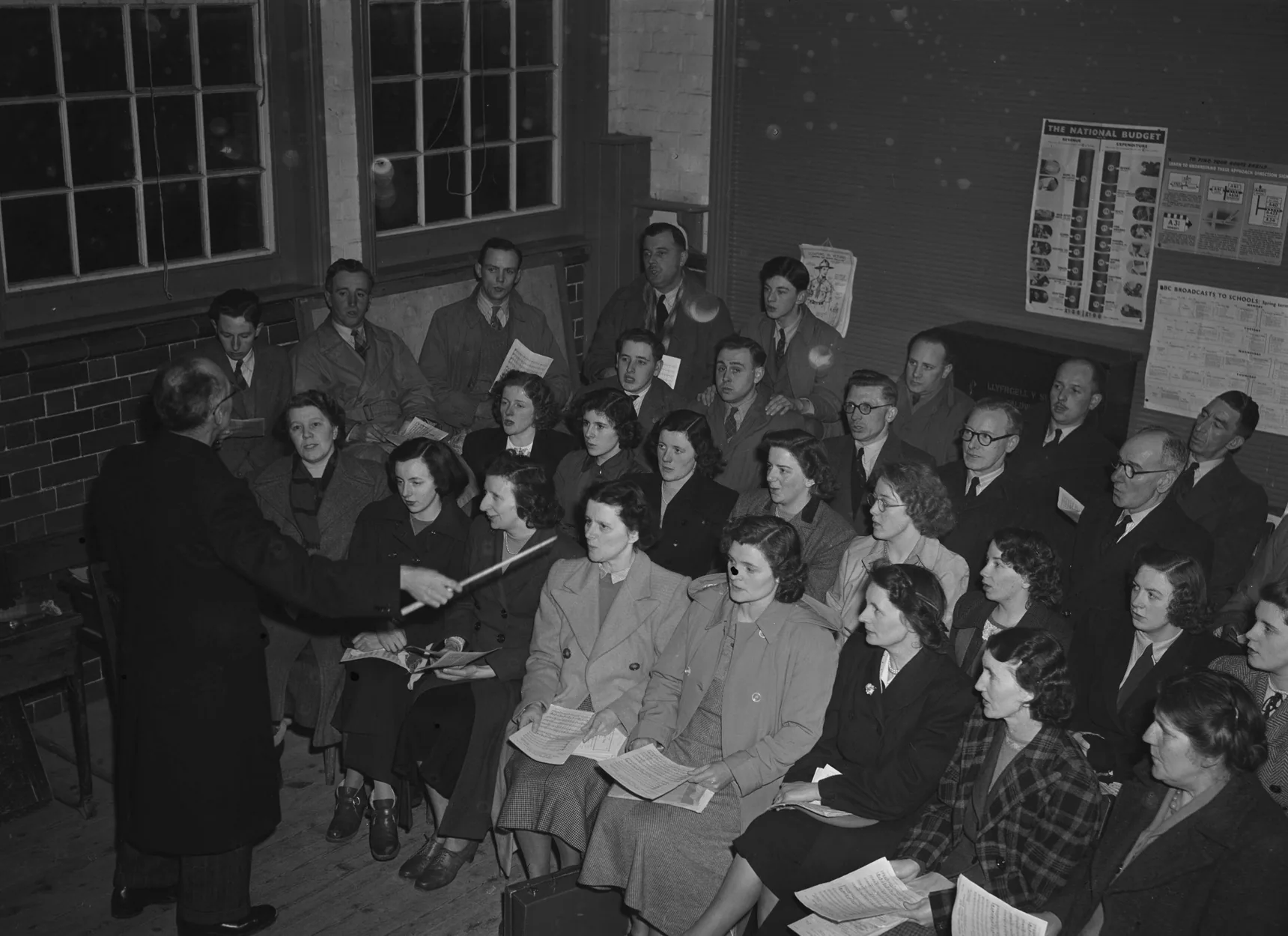
Listening is addressed early: the sections must be balanced and the entry cues carefully handled. Posture remains crucial, even when seated: feet grounded, legs uncrossed, and back lengthened.
Structuring the Work by Section and with the Full Ensemble
The conductor alternates section-by-section sequences with full-ensemble passages. Scores are annotated: breaths, dynamics, and landmarks support memorization.
Integrating Staging, Choreography, and Auditions
Stage phases incorporate gestures and movement without sacrificing intonation. Solo auditions are open to everyone, and each soloist receives individual support to secure style and projection.
Anticipating Rehearsals with Orchestra
Before the concert, rehearsals with orchestra clarify tempo cues and the balance between voices and instruments. Meeting the guest conductor helps reduce uncertainty before the concert.
| Phase | Objective | Indicative Duration | Expected Result |
|---|---|---|---|
| Warm-up | Prepare the vocal instrument | 10–15 min | Voice ready and pitch accuracy stabilized |
| Section work | Practical sight-singing and balance | 20–30 min | Clean entries and cohesion |
| Full ensemble and staging | Overall coordination | 30–40 min | Clear coordination and dramatic expression |
| Orchestra | Musical meeting | 45–60 min | Sound balance and stage confidence |
Practical tip: the conductor marks the session with brief checkpoints and provides a roadmap for individual work. For advice on vocal warm-ups, see this article.
Tools and Ongoing Organization for Successful Rehearsals
A dedicated website centralizes lyrics, recordings, and videos. Singers can access them at any time to consolidate their personal learning.
Digital Audio Files by Section
Most works have been posted online by section (MP3, WAV, MIDI). Each voice can review tempo, key, and text at its own pace.
Communication and Schedule (September-June)
Practical information circulates by email. A monthly recap, “Le courrier des Chœurs,” reminds everyone of the dates and objectives.
Example of organization:
- Ten rehearsals planned between September and June.
- Occasional workshops: vocal technique, stage posture, pronunciation.
- A shared weekly plan with priorities and passages to memorize.
Targeted Workshops for a Specific Program
Four- to five-day workshops, held before summer concerts, made it possible to study a repertoire in greater depth and present it with orchestra.
“The availability of resources transformed preparation: the session becomes a moment of synchronization, not catching up.”
To complete the training, see this conducting course.
Conclusion
The methodical approach turned working time into visible gains for the group and for the audience.
By adopting a clear method, the conductor and choir turned every rehearsal into a moment of musical consolidation.
Upstream preparation, with annotated scores and resources on the website, made learning the works smoother.
The voice gained in accuracy and homogeneity, while the singing benefited from finer listening and better-organized breath.
Thanks to a coherent program and constant dialogue between conductor and singers, progress became measurable and calm.
In the end, the music served the expressive purpose: choral singing reached the expected maturity before the audience.