

Group singing is a simple and accessible practice that brings voices together through music. Since antiquity, the voice has reflected our emotions and created social connection. Today, this activity supports overall well-being.
In a group, shared vibration stimulates the release of endorphins and reduces cortisol. Research, including work by Oliver Sacks, shows broad activation of brain areas when listening to music.
Group singing supports breathing, promotes relaxation and improves mood. It is used in neurology and psychiatry to support people with conditions such as Alzheimer’s disease or depression. This practice combines pleasure, structure and self-awareness.
This guide reviews the scientific mechanisms, health effects and concrete ways to get started. To learn more and explore practical ideas, see this specialist guide.
Why choral singing is such a powerful driver of well-being today
Bringing voices together produces a shared energy capable of reducing stress and enhancing well-being. Shared vibration releases endorphins and lessens the impact of cortisol.
In psychiatry, active music therapy improves mood and reduces anxiety. In neurology, neurologic music therapy, or Neurologic Music Therapy, stimulates impaired functions and supports psychophysical balance.
Listening to and making music in a group synchronizes breathing, rhythm and attention. This collective alignment intensifies the benefits of music and singing while strengthening social bonds.
- Physical engagement and connection with others: a driver of belonging.
- Shared pleasure: commitment and regular attendance in weekly practice.
- Accessibility: an activity that can be adapted to all ages and all levels.
The dual impact is clear: a psychological benefit, with better stress management and a more positive outlook, and a social benefit, with greater solidarity and listening. Every vocal improvement increases confidence and supports group life.
Next: let’s look at the scientific mechanisms that explain these effects.
What science tells us: mechanisms of choral singing and health
Active vocal practice in a group triggers simultaneous mobilization of sensory, motor and emotional areas of the brain. Oliver Sacks described it as “cerebral fireworks”: perception, memory, attention, fine motor skills and emotions light up at the same time, which supports learning and plasticity.

Breathing, breath control and posture
The vocal gesture relies on costodiaphragmatic breathing, core tone and good cervical alignment. These reference points stabilize the body and control airflow.
Result: better breath control improves concentration and provides simple sensory cues that ground the mind.
Biological and cognitive impacts
- Biology: lower cortisol and increased release of dopamine, oxytocin, endorphins and serotonin, with effects on motivation, social bonding and pain relief.
- Cognition: sustained attention, working memory and flexibility strengthened by regular practice.
Psychosocial dimension and medical support
Rhythmic synchronization and shared listening create a socially structuring experience. In medicine, NMT uses singing as a stimulus to help with walking, speech and coordination in the face of certain neurodegenerative disorders.
For practical ideas and data on the role of singing in the brain, see this article.
Singing in a choir: health benefits
Collective practice triggers a biological cascade that promotes relaxation and recovery.
Physical and biological effects
Studies show a measurable drop in cortisol after just a few rehearsals. Singing-related breathing improves tissue oxygenation.
The neurochemical cascade includes dopamine, oxytocin, endorphins and serotonin. These neuromodulators increase pleasure and reduce the perception of pain.
Mental and emotional effects
Respiratory coregulation and concentration reduce anxiety and distress. Mood stabilizes, with more energy after sessions.
Cognitive effects
Regular practice strengthens sustained attention, auditory memory and concentration. Progressive musical goals stimulate motivation.
Social effects
The group creates a sense of belonging and develops mutual trust. Self-esteem increases through positive feedback and shared progress.
- Practical markers: keep a mood journal and use a perceived stress scale to track progress.
- Plan a warm-up that includes breathing, posture and articulation, followed by a closing ritual, such as slow breathing, to anchor relaxation.
- The benefits appear after just a few sessions and stabilize with weekly practice.
To go further, see this article on the benefits of group singing.
Specific groups and situations: seniors, neurology, psychiatry, long Covid
Vocal workshops adapt to varied audiences and produce concrete effects on memory, breathing and social connection.

Seniors: memory and camaraderie
For older adults, singing revives autobiographical memories and stimulates memory. A generational repertoire makes engagement easier and encourages transmission between people.
Physiologically, deeper breathing reduces stress and may help lower blood pressure. The group becomes a meeting space that reduces isolation and strengthens confidence.
Neurology and psychiatry
In medicine, Neurologic Music Therapy helps maintain rhythm, diction and vocal range in Alzheimer’s disease, Parkinson’s disease and multiple sclerosis.
In psychiatry, active music therapy combats anhedonia and apragmatism. Regular sessions improve mood and reduce anxiety.
Long Covid and young people
The “Respirer” protocol, conducted over 15 weeks, teaches breath economy and improves attentional endurance in patients after long Covid.
For young people, co-creative projects such as “Espace Transition” provide a safe framework for expression and support vocal identity.
- Inclusive adaptations: tools such as “La voix harmonisée” combine vocal technique with psychological support.
- Supervision: choose a trained choir leader, ideally in connection with a music therapist, to ensure safe progress.
| Audience | Goals | Typical duration | Observed effects |
|---|---|---|---|
| Seniors | Memory stimulation, socialization | Weekly | Better memory, lower stress |
| Neurology | Maintaining rhythm and speech | 2-3 sessions/week | Motor and vocal improvement |
| Psychiatry | Emotional regulation | Regular sessions | Less anxiety, better mood |
| Long Covid / young people | Breathing, vocal identity | 8- to 15-week program | Respiratory endurance and confidence |
To hear first-hand accounts and clinical approaches, discover the therapeutic power of choral singing.
Putting it into practice: in-person, online and intergenerational choirs
Several formats make it possible to return to vocal practice, whether in a room, at home or online. Choosing between in-person, virtual and hybrid formats depends on available time, mobility and goals.
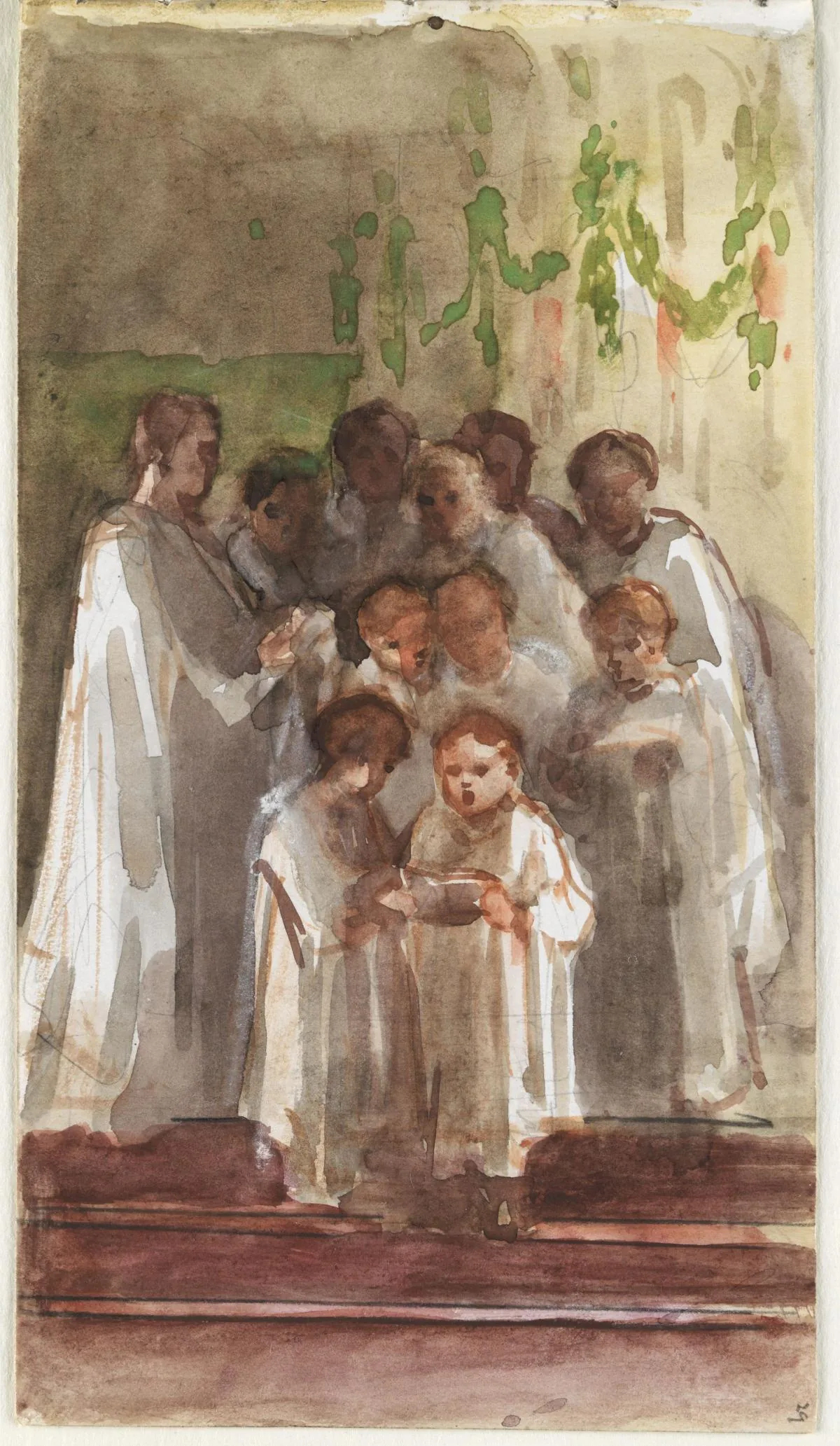
Singing together anywhere: virtual accessibility and hybrid formats
Online choirs involve fewer transport constraints and provide a familiar environment. They improve perception of one’s own voice and maintain a sense of belonging, which can be useful especially for people with dementia.
“The hybrid format combines the acoustics of in-person singing with the flexibility of digital tools.”
Workshops, warm-ups and suitable repertoire: sessions that feel good
A typical session begins with a gentle physical warm-up, then continues with diaphragmatic breathing, vocal placement, vocal exercises and repertoire work. It ends with a return to calm.
- Practical tip: adopt daily 5- to 10-minute routines to improve breath control and endurance.
- Choose a choir suited to your level, availability and health goals.
- Useful tools: annotated scores, part recordings, a metronome and breathing apps.
- Stay hydrated, plan breaks and keep volume moderate; consult a voice specialist if discomfort persists.
| Format | Advantages | Ideal for |
|---|---|---|
| In person | Acoustics, social contact | Seeking connection and immersion |
| Online | Accessibility, listening to one’s own voice | Reduced mobility, remote area |
| Hybrid | Flexibility and richness | Families, intergenerational groups |
Conclusion
Collective vocal work enriches quality of life by creating concrete social connection and a sense of meaning. The benefits appear in breathing, cognition and mood, regardless of age.
Clinically, vocal practice complements some care pathways and supports positive trajectories in neurology and psychiatry. The group reduces stress, increases pleasure and nourishes a sense of belonging.
Accessibility: in-person, online and hybrid formats multiply the options and advantages for getting involved according to one’s constraints. Each repertoire and each choir responds to different needs.
Try a rehearsal, schedule regular sessions and let music and the voice strengthen your social life and well-being.