This practical guide offers a step-by-step method for introducing families and teachers to a children’s choir built around simple songs and voice games. It draws on early vocal development: from babbling onward, toddlers explore sounds and connect gestures, emotions and language.
We explain why starting early makes it easier to acquire the basics. A daily musical space, simple instruments (maracas, tambourine) and rhythmic nursery rhymes support memory and listening skills.
The promise of this article: a clear framework (space, tools, rituals), daily activities and age-based progression. You will also find a ready-to-use warm-up method suited to classrooms and families.
By alternating creative freedom with structured exercises, the approach aims to develop the voice, the pleasure of singing, cooperation and musical culture. Concrete examples help you move quickly from theory to practice.
Understanding Children’s Vocal Awakening Today
From the cradle, musicality is woven together with first words and first gestures. Babbling mixes pitches, intensities and timbres before any notation exists. Observing these attempts reveals the child’s interest in language and the voice.
Fundamentals: Voice, Language and Musicality in Toddlers
The voice develops gradually. Language progresses alongside music: the child intuitively explores pitches, rhythms and vocal colors. Offer very short, repeated activities to nurture these attempts without causing fatigue.
Observing and Respecting the Child’s Rhythm for Gentle Learning
Prioritize attentive listening. Notice curiosity, spontaneous imitation and the pleasure of vocalizing. Avoid extreme vocal ranges and prolonged vocal production.
“Encouraging vocal pleasure matters more than performance.”
- Alternate free phases with short guided phrases.
- Include simple breath games (blowing bubbles, chasing a feather).
- Keep an observation notebook: what they enjoy, what tires them.
Creating the Right Framework: Space, Tools and Musical Rituals
A simple, dedicated and ritualized corner creates the sense of safety needed for sound exploration. Set up a clear space with a non-slip mat, posters about breathing and baskets of simple tools to make the activity appealing.
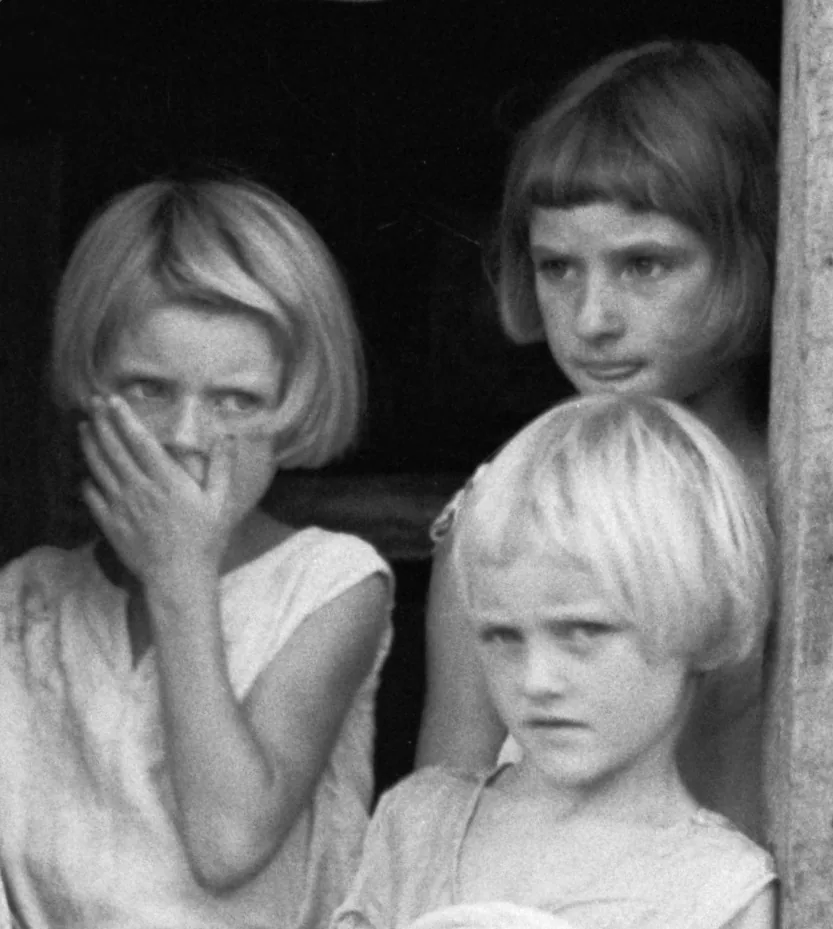
Offer a short opening ritual: silence, three breaths, a gentle stretch. End each session with a lullaby or calm breathing to soothe the voice.
Daily Activities and Progression
In 10-15 minutes, combine a nursery rhyme, a mini rhythmic game, a danced movement and one minute of free sound exploration. These activities anchor the practice without overload.
- Start with percussion: tambourine, maracas.
- Move on to pitches: bells, xylophone.
- Introduce accompaniment: ukulele, then piano for harmonic reference points.
Technologies and Objects to Encourage Practice
Use a visual metronome, a recorder to listen to progress or a simple loop recorder. Puppets and musical stories give the voices a role and enrich sound culture.
“A tidy space and regular rituals strengthen the habit and pleasure of singing.”
Children’s Choir: Easy Songs and Vocal Games
Adapting the activities by age ensures progressive and joyful learning. For ages 2-4, favor short nursery rhymes with gestures, animal imitations and small instruments (maracas, tambourine).
Introduce playful breath games, such as “blowing out the candles,” to coordinate breath and vocal production. Sound imitations awaken timbre and articulation without pressure.
Ages 5-7: Listening, Conducting and Tradition
Offer “listen-and-repeat” sequences using short motifs. Appoint a conductor who manages entries and silences to strengthen attention.
Traditional songs with easy refrains support memory. Musical stories, where each child holds a simple motif, gently introduce polyphony.
Ages 8 and Up: Sections, Styles and Interpretation
From age 8, create sections, work on rounds and explore varied styles (French chanson, world music). Offer more structured breathing exercises before longer pieces.
Choosing a work: favor a clear melody, a limited range, a suitable length and imagery-rich lyrics.
For practical resources, consult this method for learning to sing: learning to sing as a child.
Warm-Ups and Vocal Exercises: A Simple and Effective Method
Starting with simple gestures prepares the body and breath for vocal practice.
Getting the body ready: stable feet, flexible knees, a lengthened spine. Offer a slow walk, gentle stretches and a short guided breathing exercise to establish support.
Breathing and Breath Control
Set up breathing with exhaled sirens, then progressive breaths on “f” or “s.” Add micro-pauses to hydrate the throat.
Placing the Voice
Work on tone and release: a relaxed jaw, lip trills and pure vowels (oo/oh, ay/ee). These exercises even out timbre and resonance.
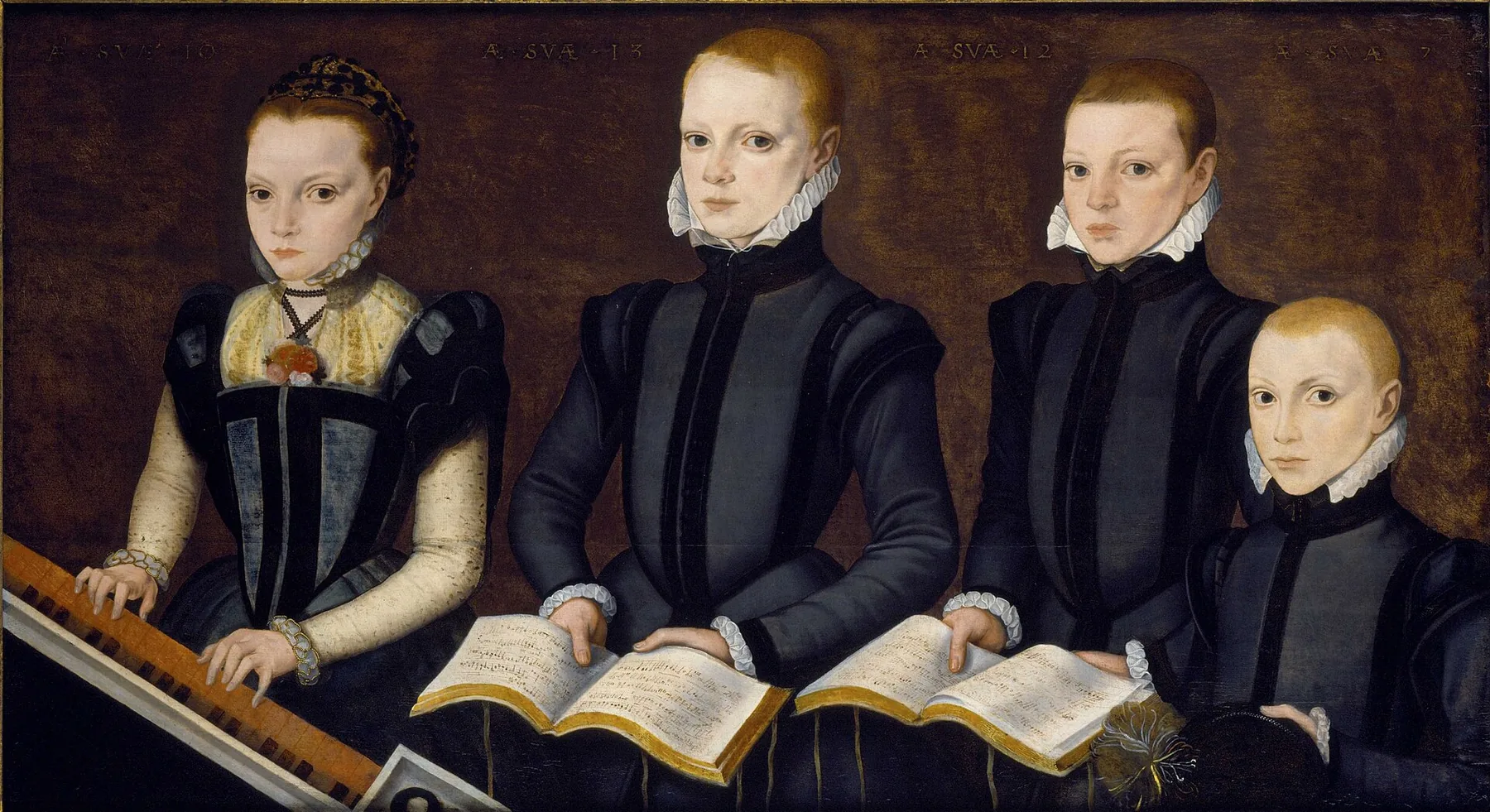
Guided vocalises: short, playful and centered on stepwise intervals and repeated motifs. Adapt the duration by age (ages 2-4: very brief exercises; ages 5-7: pentatonic motifs; ages 8 and up: gradual extensions).
Practical example: humming with a closed mouth on the chorus of “Couleur Café,” then opening onto the lyrics while keeping the felt vibration. Vary the formats: collective drone, simple rounds, body ostinatos.
“A brief, repeated warm-up protects the voice and prepares it for singing.”
For short routines, consult this tool to warm up the voice in 5 minutes.
Vocal Play as a Driver of Creation, Culture and Cohesion
Vocal play opens a field of sound experimentation where the voice becomes material and story.
Spontaneous singing covers a continuum: speaking-singing, whispering, chanting, making sound effects or shouting freely.
It does not require reading music and values each participant’s uniqueness.
Three areas guide the practice: energy and space for projection and volume, sound games for vocal colors and pulses, then sung-spoken passages that connect meaning and sound.
Training, Conducting and Drawn Scores
CEJV pedagogy offers modules for trainers and teachers.
They teach simple conducting techniques, practical worksheets and the use of drawn scores.
These scores show rising lines, color fields and impulse symbols. They make it easier to set up an accessible collective work.
“A short framework, clear signals and the absence of judgment open the way to vocal boldness.”
- Short workshops: 2-3 sessions for a micro-creation.
- Activities around phonemes: working on consonants and vowels to enrich language and musicality.
- Cross-disciplinary work: connecting music with poetry and visual arts to strengthen the class’s culture.
| Format | Duration | Goal | Resources |
|---|---|---|---|
| Discovery workshop | 30 min | Explore timbres and volume | Drawn scores, recording |
| Micro-creation | 2-3 sessions | Design a short collective work | Conducting worksheets, sound sketches |
| Teacher training | 1 day | Equip teachers for conducting and leading workshops | Videos, audio examples, guides |
Documenting sessions with recordings and photos creates a resource bank.
This makes the practice sustainable and allows learning to be shared throughout the school.
Conclusion
To conclude, let’s remember what sustains a lively musical practice while respecting the child’s rhythm.
A protected voice, short rituals, playful daily activities and age-based progression form the foundation. Posture, breathing and a few targeted vocalises anchor the techniques without making them heavy.
Alternating free play with guided learning develops language, pitch accuracy and confidence. Ten to fifteen minutes a day are enough to build a lasting habit and a climate of listening.
Value every voice, diversify styles and plan a micro-creation. To explore CEJV methods and pedagogy in greater depth, consult the CEJV document.