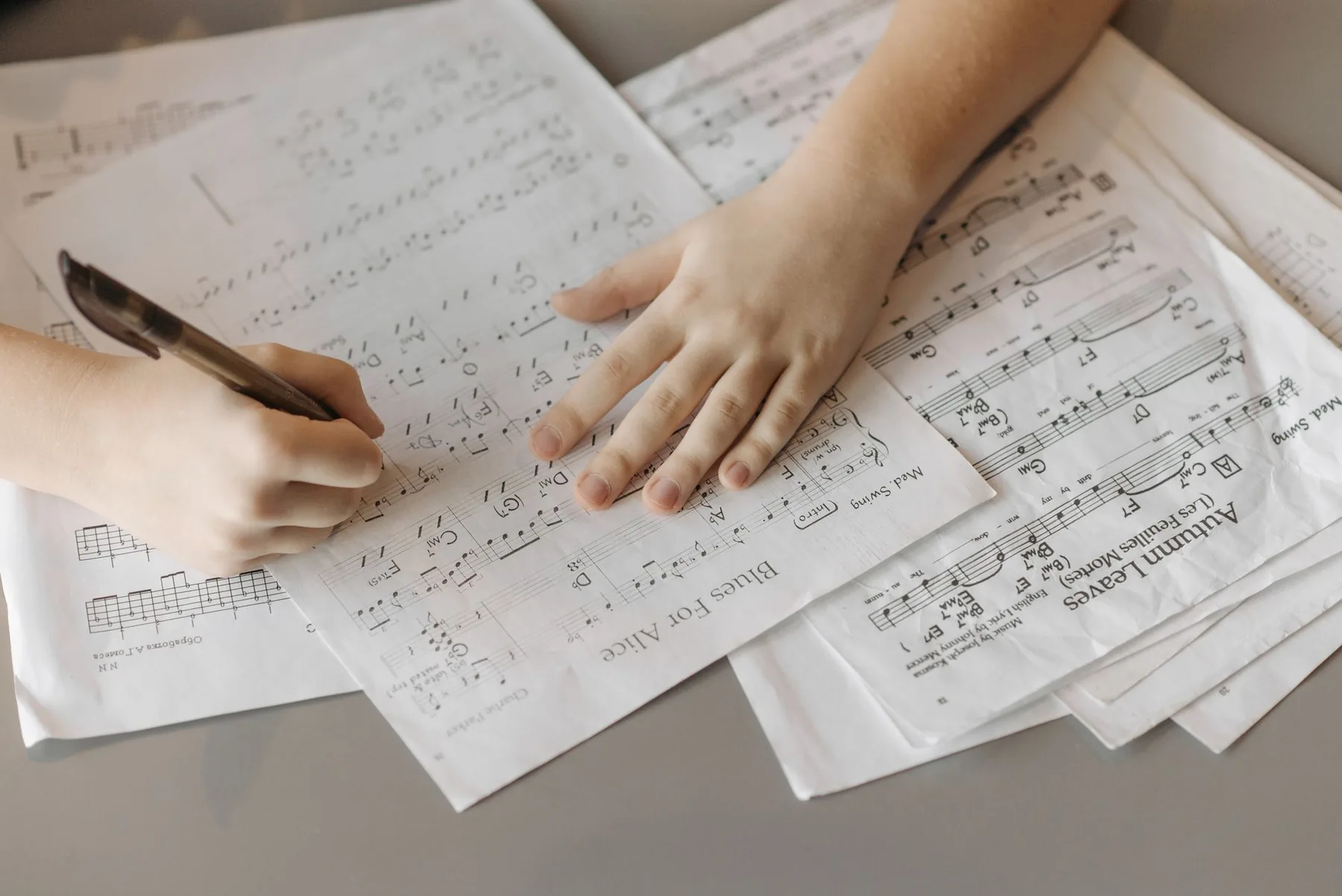
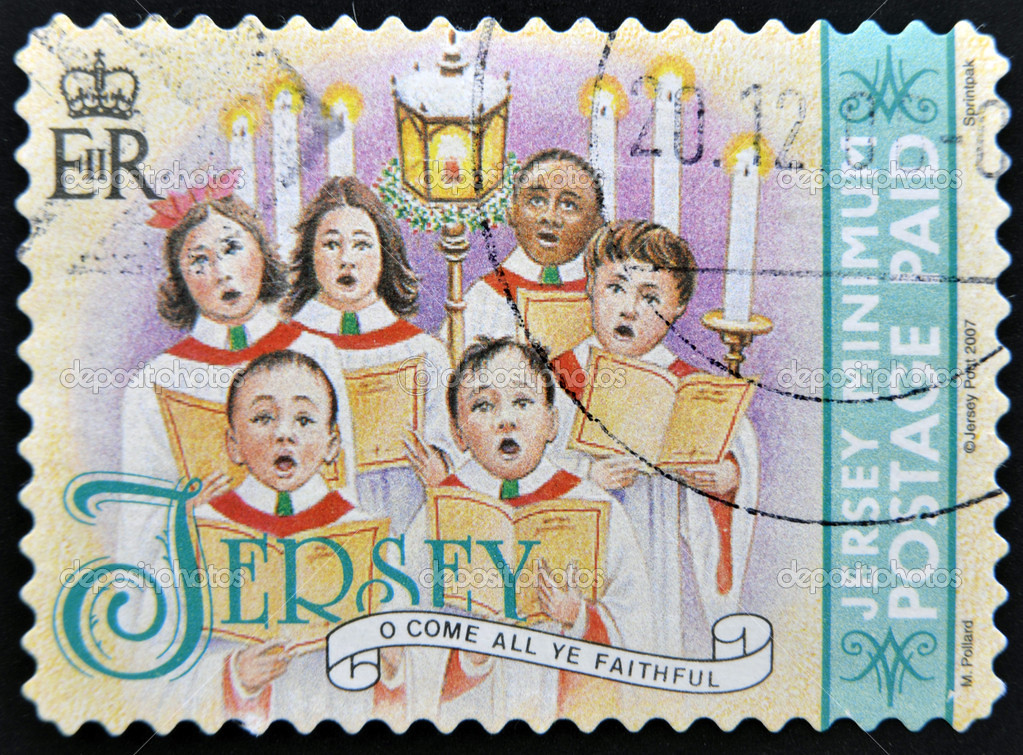
Preparing an accessible repertoire means making choices that support memorization and participation. Offer simple titles, memorable choruses and lines for one or two equal voices to ensure good intonation.
Combine classic and modern pieces: alternate traditional tunes with contemporary adaptations from a children’s album. This variety energizes the program and appeals to families during the holidays.
Work on articulation and the text so that each song delivers a clear message on stage. Consider pairing older and younger children to make difficult passages more secure.
Manage attention by alternating slow pieces and lively pieces, with short transitions and breathing breaks. Also plan simple stage layouts: a semicircle, alternating lines or small groups.
Practical resources: use educational scores and suitable licenses, then consult a dedicated playlist to select titles suited to young voices via the recommended playlist.
Essential Classics for Children’s Choirs
These traditional tunes provide simple landmarks and memorable choruses for young voices. They make it possible to balance teaching value with stage enjoyment.
Petit papa Noël – Chantal Goya and “Le Top des Tout P’Tits” versions
Petit papa Noël can be sung with two reference points: a gentle tone and clear diction in the spirit of Chantal Goya, or a moderate, very singable tempo in the version by Top des Tout P’Tits, which makes Father Christmas a central figure.
Mon beau sapin – tradition and Chantal Goya cover
For Mon beau sapin, work on regular phrasing and light support on the final cadence. Offer a solo verse followed by a tutti reprise, while respecting a range from D to high D.
Vive le vent – Les plus belles comptines d’Okoo (feat. Vanille)
In Vive le vent, suggest movement through light attacks and body sway. Alternate a tutti chorus with verses in small groups to vary the dynamics.
Douce nuit, belle nuit – children’s choral arrangement
Start in unison, then add a second voice in thirds on the chorus. Shape the dynamics from piano to mezzo-piano and synchronize the breathing on nuit.
- Les anges: simple polyphony, low drone and gradual entrance on “Gloria,” with a controlled crescendo.
- La marche des rois mages: slow chasse step and understated staging with three children.
- Noël blanc: compare Okoo (feat. Brigitte) and Top des Tout P’Tits; favor a slow tempo and clear legato.
Practical tips: choose comfortable keys, in E or F major, keep each song within a range from D to high D, and use cue gestures to secure entrances.
To complete your selection, consult a suitable playlist via the recommended playlist or more playful choices on another compilation.
Modern, Playful Versions Children Love
Modern adaptations turn familiar tunes into little playful scenes that children quickly remember.
Aldebert offers rhythmic titles: Petit papa Noël (chamboulé !) lends itself to a clear pop pulse, with body percussion and alternating soloists/tutti to energize the singing. Santa Claus attitude and Le nécessaire call for precise diction; try a spoken-sung warm-up.
Mortelle Adèle offers lively texts. Cher Père Noël, Noël joyeux and 365 jours pour être sage have easy choruses. Add gestures on “jours” to help memorization.
Le Loup qui n’aimait pas Noël offers an entrance Farandole, followed by stripped-down versions of Mon beau sapin and Douce Nuit, ideal for young voices.
P’tit Loup and duets, such as Une mandarine et deux papillotes with Jean-Pierre Marielle or L’infinie nuit with Michaël Gregorio, encourage listening between sections.

| Title | Rhythm | Level | Adaptation tip |
|---|---|---|---|
| Petit papa Noël (Aldebert) | Pop | Intermediate | Body percussion, soloists/tutti |
| Cher Père Noël (Mortelle Adèle) | Moderate | Beginner/intermediate | Gestures on the chorus, steady tempo |
| Farandole (Le Loup) | March | Beginner | Entrance procession, call and response |
| Une mandarine… (feat. Jean-Pierre Marielle) | Rhythmic ballad | Intermediate | Duets to balance the voices |
Tip: create an Aldebert medley, follow it with Maman Noël, then add a humorous nod with On en a marre de Noël (Oldelaf, Jean-Pierre Marielle) while explaining the irony. For more ideas, consult the best songs for preschool.
Themes and Atmospheres: Snow, Night, Winter, Angels and Kingdom
Create simple musical scenes to paint snow and night. Open gently with Il neige sur Bethléem, then build color with Le bonhomme de neige (Aldebert feat. Florent Marchet). This progression avoids forcing young voices to project.
Snow and winter
Favor muted dynamics, a swaying tempo and soft consonants. Work on sustaining final notes to make the evocation of snow convincing.
Around the tree and the kingdom
Follow Mon beau sapin with Au royaume du bonhomme d’hiver (Loup project). This sequence creates a winter kingdom that younger children can easily imagine.
Angels and night
In Les anges dans nos campagnes, emphasize the verticality of the “Gloria” chords and collective breathing. For Douce nuit, work on the consistency of the [u] and [i] vowels and breath support.
- Balance: bells and chimes in the background to evoke the night without interfering with the singing.
- Stage design: image projections (snow, stars, kingdom) and minimal decor.
- Show pacing: mini-narrations between songs with a student narrator to manage rest times.
| Sequence | Beginning | Middle | Tip |
|---|---|---|---|
| “snow” scene | Il neige sur Bethléem | Le bonhomme de neige | Piano opening, then measured crescendo |
| “tree/kingdom” scene | Mon beau sapin | Au royaume du bonhomme d’hiver | Visual transitions, choirs in small groups |
| “angels/night” scene | Les anges dans nos campagnes | Douce nuit | Section echo, carefully balanced bells |
Christmas Songs for Choirs with Children: Our Mini-Selection by Level
A clear selection by level makes staging and vocal progression easier.
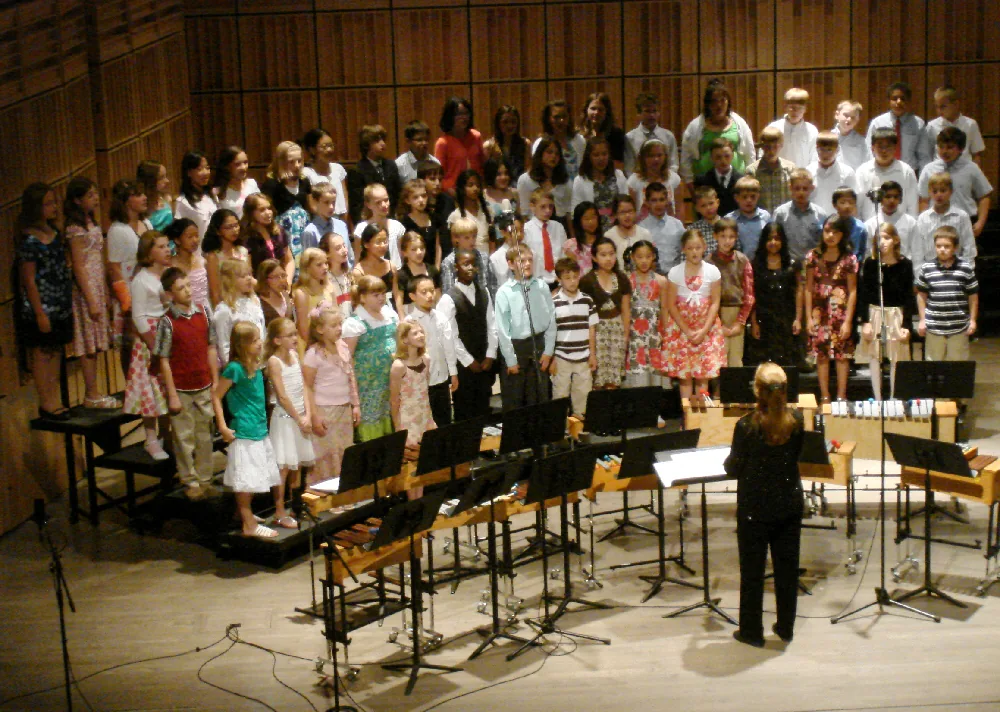
Beginners (little ones)
Mon beau sapin in a low key and Vive le vent (Okoo version, Vanille) offer simple, memorable choruses. Add P’tit Loup prépare Noël for a call-and-response game that involves all the younger children.
Intermediate
Offer Petit papa Noël (Top des Tout P’Tits or Chantal Goya) to work on head voice and breath on “père Noël.” Les anges dans nos campagnes and Noël blanc encourage legato and listening between sections.
Advanced and performance
Close with a Medley de Noël (Aldebert), then a staged wink such as On en a marre de Noël. These pieces require controlled transitions and real group cohesion.
- Beginner goals: quick memorization, simple gestures, collective listening.
- Progression criteria: phrase support, rhythmic stability, simple second voice.
- Logistics: enlarged scores, color codes and short rehearsals.
For easy scores, consult choral scores and favor live music rather than playback.
Conclusion
A strong finale brings tradition and modernity together to leave a vivid memory.
Combine a heritage song that establishes attentive listening with a contemporary version that captures children’s attention.
From a teaching perspective, work on breath, sustained phrasing and simple stage cues. Also highlight the ensembles and choir directors who have shaped choral aesthetics, such as the Maîtrise de Dijon and its decades of history.
Offer a participatory finale with the reprise of a familiar chorus and bells to evoke the wind and winter night. Record an end-of-cycle mini-album and plan rehearsals in short sessions.
For ideas of suitable versions, consult the selection available on the recommended playlist.