

This practical guide explains, step by step, how to structure a collective vocal project for your neighborhood, parish or association.
It is intended for people motivated by group singing, association leaders and cultural project managers. You will find concrete advice for registrations, auditions, ticketing and communication.
Success depends on good organization: a schedule, a rehearsal venue booked in advance, the choice of choir director and musicians, and online registration tools. This framework makes coordination easier and saves time.
The text also presents the essential financial items and ways to mobilize local partners. By the end, you will know how to form the ensemble, plan rehearsals and offer the audience a beautiful experience.
Define the choir project and organizational framework
Lay the foundations of the project from the start: who sings, why and under what conditions.
Goals and profile — Define measurable goals: target level, singing style, expected number of members and schedule for the first performances.
Describe the singers’ profile: desired experience, voice ranges sought and ability to commit. This clarity supports both recruitment and teaching.
Legal structure and compliance
Choosing the right structure makes insurance, management and partnerships easier. The choir can be run by an association or integrated into a local authority, conservatory, company or retirement home.
For administrative procedures, consult associations.gouv.fr to ensure compliance and simplify the formalities.
Governance and operation
“Clarifying who decides what and how the choir director is involved avoids gray areas.”
Draft internal rules: artistic decisions, the roles of leaders and the choir director, attendance rules, and the flow of information through networks and digital tools.
- Anticipate the skills needed: administration, communication, schedule management.
- Prepare an onboarding plan to integrate newcomers quickly.
Build the team: choir director, singers and key skills
Building a solid team starts with clearly defining roles and expectations. The choir director’s job description should list the duties, skills and working conditions.
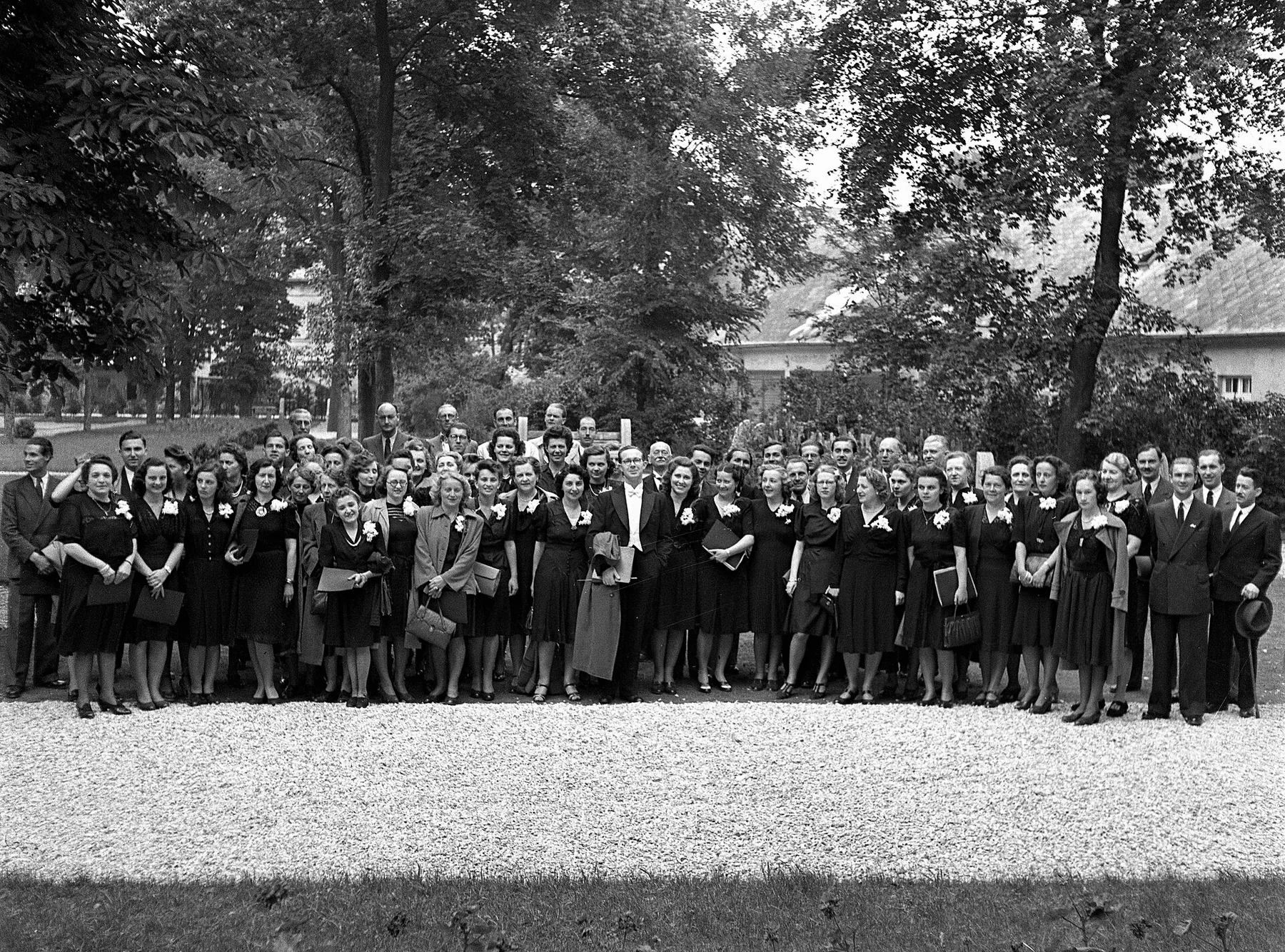
Recruiting a choir director: job description, status and pay
Summary sheet — artistic and educational leadership, section management, rehearsal planning, performance preparation. Require vocal, teaching and interpersonal skills.
Status — employment contract (permanent or fixed-term under the Éclat collective agreement) if the activity is regular, or a service contract with a self-employed professional or company. Specify the clauses to avoid reclassification.
Pay and administration — use Impact emploi association (URSSAF) or a payroll firm. Use GUSO for intermittent performers connected to a show, or CEA for associations that do not employ intermittent workers.
Attracting singers: channels and onboarding
- Share the offer on social media, specialist groups and cultural job websites.
- Contact conservatories, music schools and resource venues to reach qualified people.
- Distribute posters and flyers in libraries, shops and cultural centers.
- Create a website or dedicated page with the schedule, expected level and registration form.
Organize friendly auditions and a discovery session to assign voice sections. Divide responsibilities: administrative lead, communications lead, logistics lead and choir director’s assistant. This secures the organization and encourages retention.
Find a suitable rehearsal and performance venue
The choice of venue affects sound quality, people’s comfort and health safety.
Approach the town hall, local authorities, schools and conservatories to obtain time slots. Book early to save time and negotiate availability in the cultural interest of the project.
Capacity, accessibility, ventilation and protocol
Criteria: capacity by number of people, disabled access, acoustics, ancillary spaces and times compatible with rehearsals.
Check ventilation and the air renewal rate. A CO2 monitor helps make air quality objective. Adapt the health protocol to local conditions and recommendations.
Stage layout, logistics and repertoire
- Layout: voice sections, sight lines to the choir director and space for an instrumental accompanist.
- Logistics: sheet music storage, electrical access, lighting, rehearsals several times a week.
- Setting: choose a church for sacred music, a village hall for popular songs, or the outdoors for summer events.
“Testing the room during a trial rehearsal makes it possible to assess the acoustics and the need for sound reinforcement.”
Finally, secure insurance and authorizations, and budget for rental, heating and security. Choosing the right venue makes life easier for the choir and increases the chances of a successful performance.
Plan rehearsals and build the musical experience
A clear schedule allows everyone to organize themselves and track progress. Send dates well in advance and add message reminders. Plan extra sessions as the concert approaches.
Typical organization: define the structure of each session. Start with a vocal warm-up, continue with section work, collective placement, then a partial run-through and a short debrief.
Realistic schedule and time management
Set consistent time slots so singers can build the routine. Allocate vocal work time by piece. State the goals of each session precisely.
Build a coherent repertoire
Choose a repertoire suited to the venue and audience: parish, village hall or outdoors. Take voice ranges and level into account to ensure a good musical experience.

Practical tools for registration and sharing
Create a website or shared space for registrations, the schedule and sheet music. Attach audio files by voice section and annotated scores for work at home.
- Attendance lists and automatic reminders
- Annotated scores and learning files
- Short recordings to measure progress
| Tool | Use | Benefit | Frequency |
|---|---|---|---|
| Registration platform | Manage attendance and payments | Centralizes data | When registration opens |
| Shared space (cloud) | Store scores and audio | 24/7 access for singers | Continuous |
| Group messaging | Reminders and announcements | Fast and practical | Before each rehearsal |
| Recordings | Track progress | Highlight points to work on | Several times before the performance |
“A stable venue helps control the acoustics and strengthen cohesion.”
Synchronize the schedule, resources and responsibilities to meet the final date without rushing.
Establish a realistic provisional budget
A clear forecast turns an idea into a viable action plan. It makes it possible to visualize expenses and income, and to prepare the project for uncertainties.
Key items and assumptions
Define the assumptions: venue capacity, number of performances, ticket price, invitation policy and ticketing strategy rather than a collection.
- List expenses: venue rental, heating, cleaning, security, printing (posters, flyers), expenses or fee for the choir director, post-concert reception.
- Anticipate administrative costs: payroll (Impact emploi association, firms), insurance, bank fees.
- Forecast income: advance sales, on-site ticketing, collection during the interval, grants.
Manage the pay item
Choose the choir director’s engagement method: employment contract (permanent or fixed-term with contributions) or invoiced service. Include GUSO for intermittent performers connected to the show or CEA for non-intermittent structures.
“Model three scenarios (conservative, realistic, ambitious) to test the sensitivity of the operating account.”
Document all flows (quotes, contracts, invoices), stagger receipts and keep a cash buffer. After each performance, compare actual and forecast figures to adjust the following season.
Promote the choir and its concerts
Visibility is built through a combination of local media, online content and local alliances. Plan a publication calendar and prepare printed materials: A3/A4 posters and A5 flyers for high-traffic places.

Social media, local press, email and partners
Use social media to share rehearsal excerpts, an introduction to the choir director and testimonials. Send a targeted email to subscribers and write a press release for the local press.
Contact France Bleu and regional radio stations for announcements or competitions. Ask the town hall, shops, music schools and associations to promote the event.
Ticketing, collection and speech on performance day
Open advance sales, track quotas according to the venue and provide ticket books or online ticketing. Plan a collection during the interval to increase income without disrupting the audience experience.
Take care with the opening speech: explain how the proceeds will be used, thank partners and volunteers and, if possible, invite a voice professional or a local personality connected to the project.
- Pool resources with other choirs to enrich the repertoire and share costs.
- Measure impact: views, bookings and press coverage to optimize future editions.
Conclusion
To conclude, rely on method to turn enthusiasm into a sustainable project. Clearly define the framework, formalize the organization and align goals, venue and resources.
Choose a suitable choir director, secure the venue through local authorities or a conservatory, and use GUSO or CEA depending on the status. Guides from IFAC, CMF and the Philharmonie de Paris help with these points.
Focus on regular rehearsals: a structured session and goals for each piece make the difference. Preparatory rehearsal and audio materials strengthen progress.
Check capacities, ventilation and health protocol to guarantee good conditions. A well-designed choir creates social bonds, encourages exchanges between choirs and leaves a lasting cultural mark.