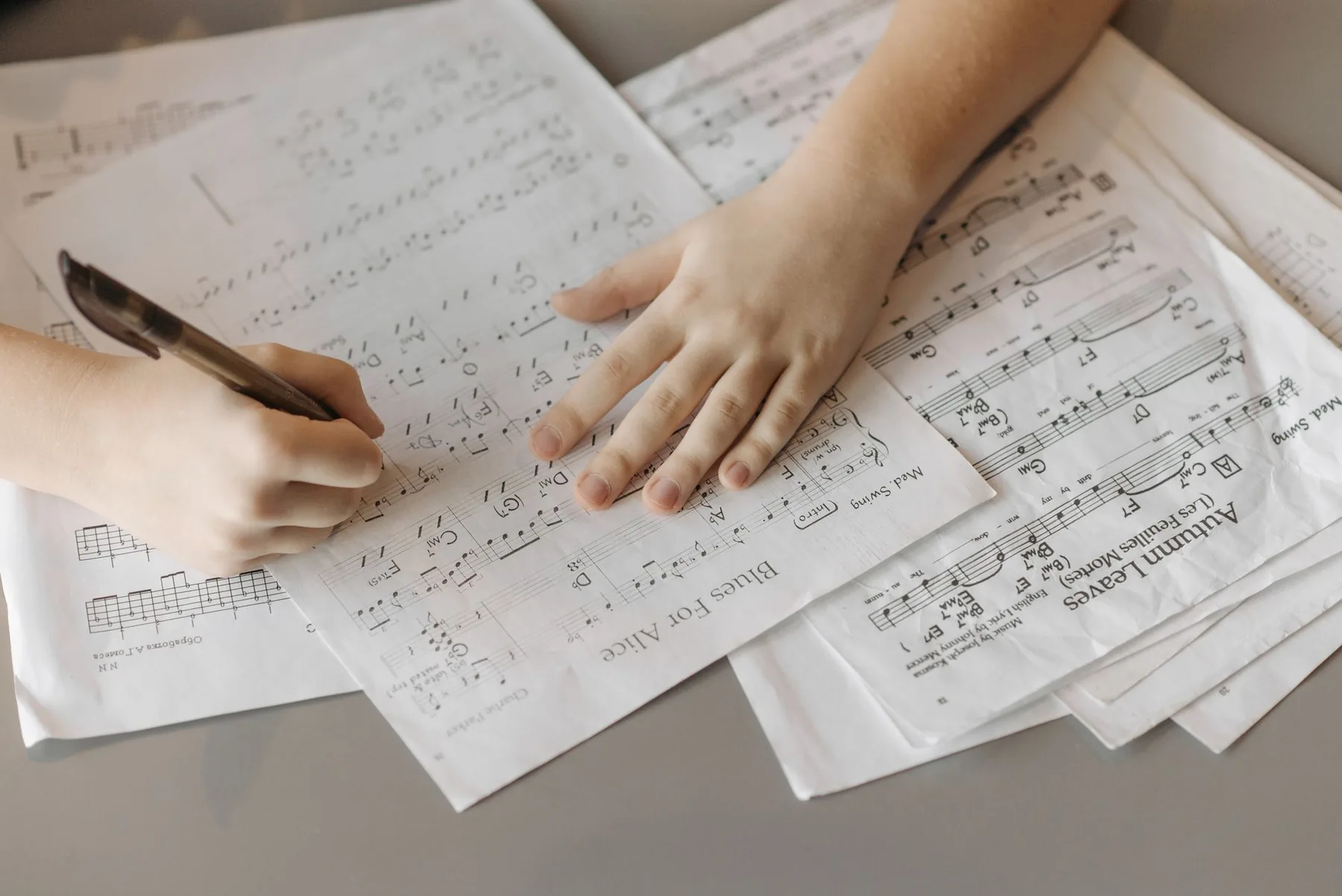
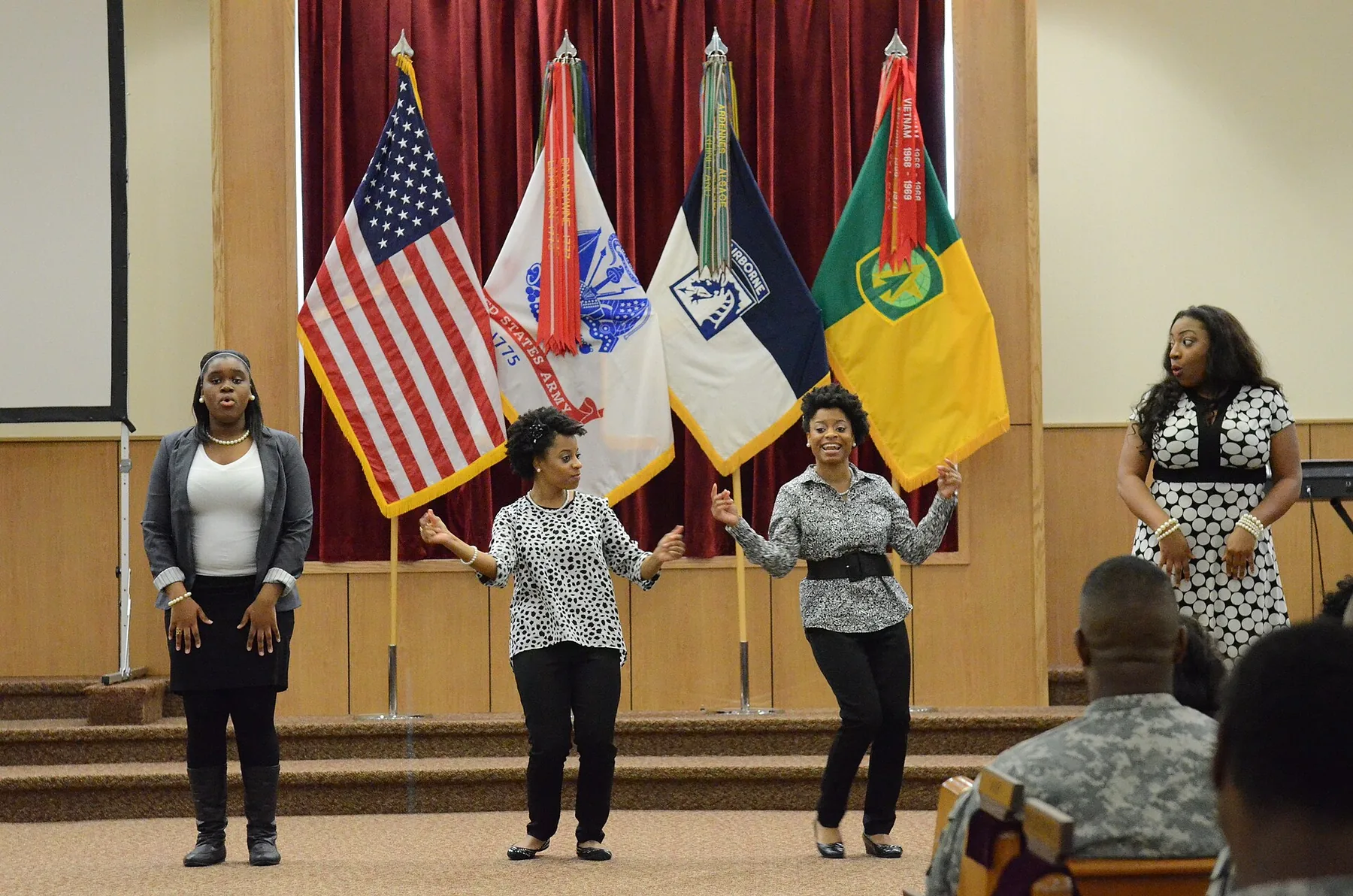
This practice brings together artistic creation and equality. The idea is simple: to use singing as a tool for carrying an accessible political message in public space and within collectives.
In France, these groups have been multiplying for several years. In Paris, Lyon, Marseille, Nantes and Lille, collectives are making diverse voices heard. These activist choirs combine vocal pleasure with action during demonstrations and rehearsals.
This article offers a clear overview, concrete points of reference and examples of collectives. It also explains how chosen mixity, safety and kindness are reflected in the repertoire and in horizontal organization.
Want to take part? Even without experience, these songs create social bonds and offer a moment of breathing space within activism. For a detailed overview of initiatives and their presence in public space, see this overview of activist choirs.
A Movement Resonating in France and Beyond Its Borders
Local French scenes are seeing the emergence of collectives with striking names, rooted in cities such as Paris, Lyon, Marseille, Lille and Nantes.
Emblematic groups — Les Chianteuses (Paris), Les Branl’heureuses (Lyon), Les Kagolphoniques (Marseille), Les Chauffe Marcelle (Lille) and Les Punks à chatte (Nantes) — testify to a lively geographical spread.
According to Anne Peyret (EHESS, 2022 thesis), the phenomenon has been gaining momentum since 2019. Because it makes the message memorable, singing encourages the growth of these groups at demonstrations and on local stages.
“The repertoire combines historical covers and contemporary creations, with an often democratic organization and no single choir leader.”
Organization and Repertoire
- Collectively built repertoires and short, ready-to-use formats.
- Monthly rehearsals, sometimes on Sundays or in the evening, to adapt to the singers’ lives.
- Social impact: increased visibility for feminism, climate action and other causes.
| Collective | City | Characteristic |
|---|---|---|
| Les Chianteuses | Paris | Activist repertoire, presence at demonstrations |
| Les Branl’heureuses | Lyon | Choral democracy, monthly rehearsals |
| Les Kagolphoniques | Marseille | Local creations, exchanges with the French-speaking world |
For a broader overview and ideas for joining these initiatives, see the linked article.
Singing as a Tool of Resistance and Inclusion in Public Space
On the pavement as on public squares, collective voices transform the street into a space for demands.
History and continuity: songs such as Bella Ciao illustrate the line connecting past resistance movements with today’s mobilizations. Since the 2000s, activist choirs have taken to the streets to champion a variety of causes: anti-racism, climate action, migrant rights and feminism.
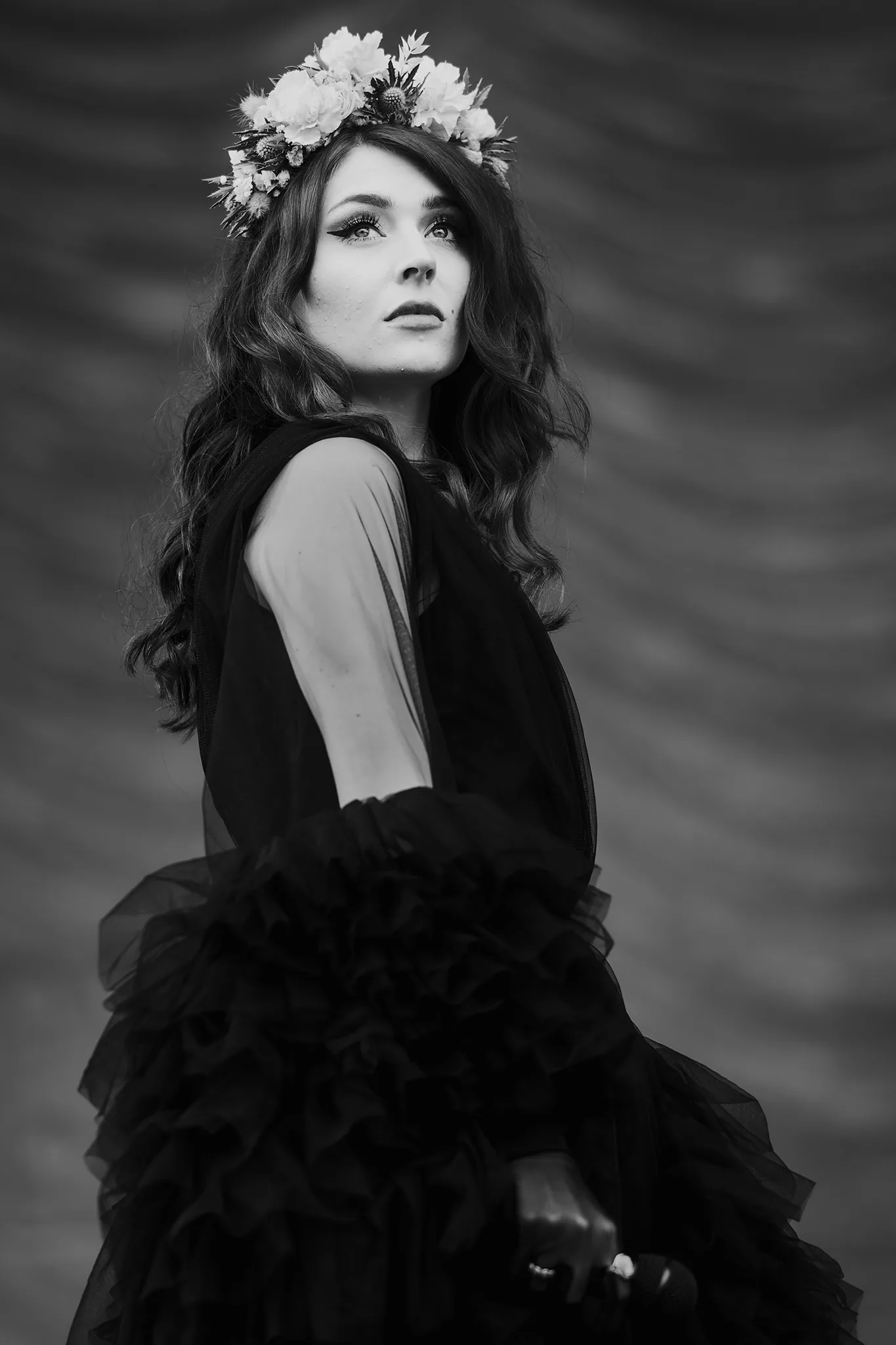
Legal and practical points of reference: in 2022, the Cour de cassation confirmed that singing at a demonstration falls under a fundamental freedom. On the ground, groups favor simple choruses, mini-sets and clear instructions to keep the rhythm going during demonstrations.
Inclusion and safety: practices such as chosen mixity welcome women, trans people and non-binary people in order to create a safe and supportive place. This organization strengthens cohesion among singers and offers breathing space in the face of the intensity of activism.
“Singing turns a crowd into a chorus and gives the message immediate visibility.”
To go further on issues related to contemporary struggles and collective practices, see this article.
Feminist Choir: Creating an Engaged and Inclusive Chorus — Modes of Action and Resources
In Metz and elsewhere, local initiatives turn vocal gatherings into visible actions.
Force Féministe in Metz offers single-sex training, open to everyone, with or without experience. Rehearsals are designed to prepare songs for demonstrations and other public gatherings.
Rehearsals, Repertoire, Voices
Launch method: define an inclusion framework, a communication account and a fixed venue. Start with short warm-ups and assign voices from the first few minutes to help the group feel confident.
Repertoire: plan 5 to 8 songs with memorable choruses, comfortable keys and clear messages. Alternate covers and original creations to maintain interest.
Where to Join and Find Inspiration
Contact Force Féministe through its X, Instagram and Facebook accounts. Also draw inspiration from the Belgian practices of CNCD 11.11.11: self-management, rotating roles, shared playlists and gatherings such as “Rue des chorales.”
“A coherent and participatory set gives strength to the message in public space.”
Conclusion
On the ground, bringing voices together creates lasting spaces for speech and solidarity.
These collectives are a lever for collective expression: horizontal governance, accessible repertoires and formative rehearsals make the project operational.
Inclusion remains the backbone. Welcoming people, active listening and adapting to needs make it possible to endure over time.
Take action: join an existing group through its official account or offer your help, even occasionally at first.
Singing transforms ideas into shared emotion. Each chorus places these struggles within a broader cultural history.