
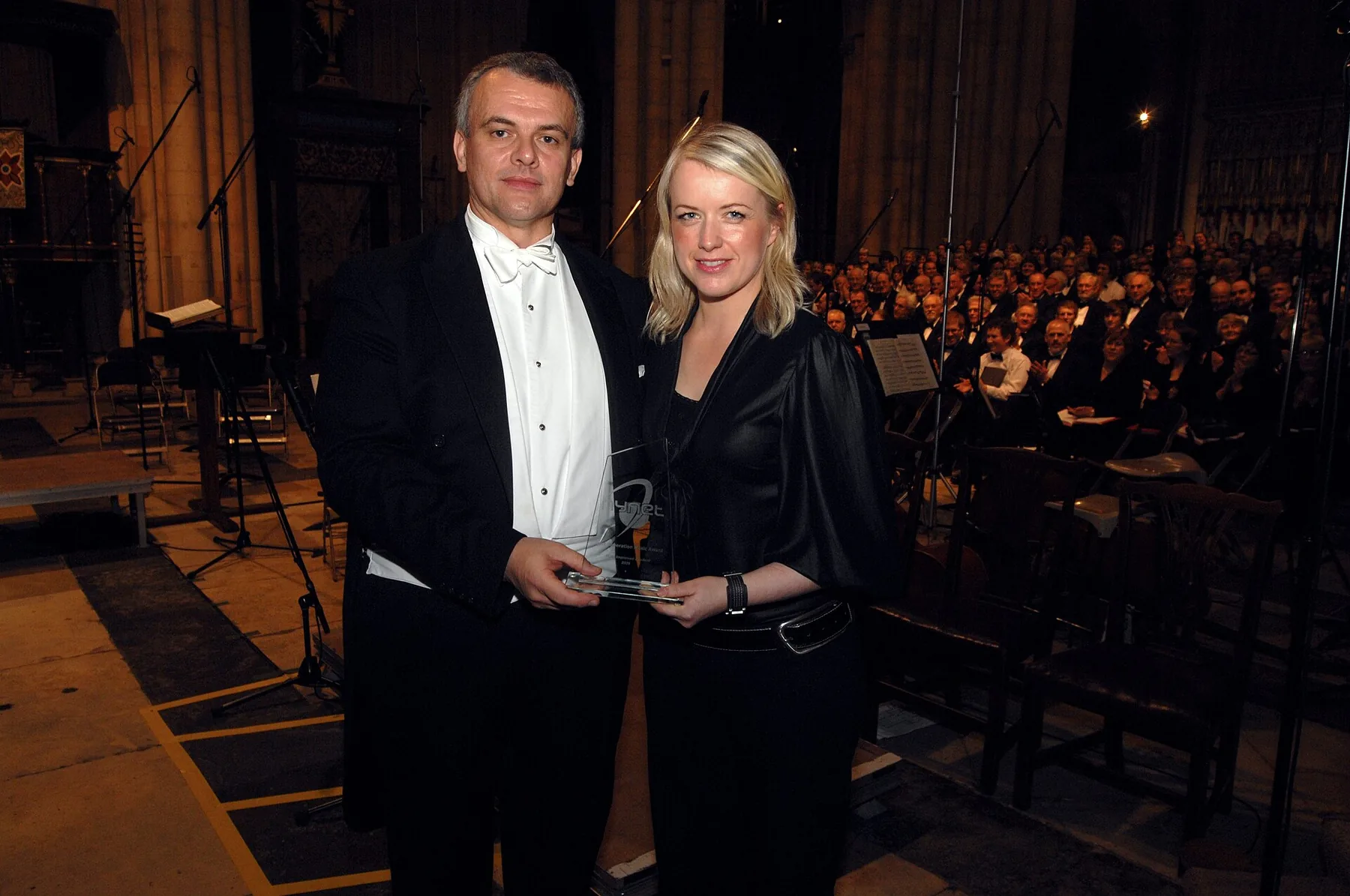
Goal: provide a practical hub to make your summer recruitment successful, with ready-to-adapt texts, tested channels and a simple method to follow.
This guide is based on concrete examples in France: choirs looking for a conductor, summer courses, offers for pianists and studio services. These cases help calibrate the message according to the level and repertoire.
What’s included: checklists of information to include, scripts to reassure people during an audition or open house, and a model page for your site to convert contacts into rehearsal attendees.
We also explain work governance: who writes, who approves, who publishes. A summer-to-back-to-school calendar coordinates posts and follow-ups to limit back-and-forth.
Promise: a clear structure to maximize visibility on Google and Facebook, while setting simple indicators: contacts, forms and rehearsal attendance.
Understand Candidates’ Summer Intent and Adapt Your Message
In summer, interest in choral singing is often expressed as a desire to try without pressure. Motivations range from curiosity to looking for a social activity before the new season begins.
Adapt the tone: favor an accessible, visual and short message. Highlight the free trial, the option to attend a rehearsal and the group’s friendly atmosphere.
Reassure people about prerequisites. Clearly state whether joining requires a simple assessment or no strict audition.
- Clarify the concrete benefits: vocal progress, social integration, motivating repertoire.
- Avoid urgent-sounding demands; favor warm invitations to meet the conductor and choir members.
- Offer distinct entry paths for beginners and experienced singers.
Complete the conversion with a button to register for a discovery session or a minimal form. Coordinate the message with the conductors to guarantee a consistent experience on arrival.
A Recruitment Strategy Centered on Candidates Rather Than the Choir’s Image
Focusing on welcome transforms candidates’ intent. Announcements centered on strict auditions can be intimidating. Instead, offer a free first rehearsal or an open house to make joining easier.
Auditions, Open Houses or Trial Sessions: Which Lever Should You Choose?
Compare two approaches: communication centered on the choir’s image, with mandatory auditions, and communication centered on candidates, with a guided trial. The first suits demanding ensembles. The second attracts singers looking for a friendly activity.
Making the assessment feel less intimidating helps. Rename the audition as a private “section placement” with the conductor. Explain the duration and process to reassure people.
Show the Life of the Group: Videos, Excerpts and Atmosphere
Use short videos: a rehearsal excerpt, a choir member testimonial and a word from the conductor about the group’s spirit. Also publish this content from your choir presentation page to show the life of the group, daily work and friendliness.
- Simplify entry: a guided mini-rehearsal with no commitment.
- Strengthen social proof: posters, concert excerpts, major projects.
- Measure: contacts, trial attendance, post-session feedback.
“A welcoming approach significantly increases response during the summer period.”
Finding Choir Singers: Announcement Templates and Tools
A good message combines schedules, expected level and an invitation to try: follow these examples.
Short Template for Social Media
Text: Local choir in Vernon (Tuesday 8:30 p.m.-10:30 p.m.) is recruiting mixed voices. Repertoire: classical pieces and contemporary projects. Level: basic music reading preferred, vocal technique appreciated. 6 concerts/year + singing week in August. Free trial. Contact us via the page or send a private message.
Long Template for a Website Page and Press Release
Present the vocal ensemble, its goals and the season project. Specify the typical size (31-38 choir members), rehearsal location, exact times and annual calendar.
- Context: history of the choir, conductor and partners.
- Program: artistic goals, 6 concerts, singing week in August.
- Welcome: guided trial, section support, audio materials provided for learning.
- Administrative practices: fees, membership, teacher paid by invoice (Courbevoie).
- Contacts: quick form, “come to the trial session” button, newsletter.
Open House Sheet & Section-Placement Audition Variant
Open house evening: conductor presentation (10 min), mini-rehearsal (30 min), Q&A (15 min). Registration via form. Sponsorship by an available choir member.
Section-placement audition: welcome, 10 min of range exercises, 5 min of optional sight-reading. Response within 10 days. Criteria: pitch accuracy, power, vocal placement.
| Format | Duration | Content | Call to Action |
|---|---|---|---|
| Social network (short) | 1 line | Location, time, level, repertoire | Private message / page |
| Page (long) | 200-400 words | Context, calendar, fees, learning | Form / trial |
| Event | 1 h | Presentation, mini-rehearsal, Q&A | Online registration |
“Offer the free trial: it increases registrations in summer.”
Distribute Your Announcements Effectively: Channels, Calendar and Formats
Visibility is gained through controlled repetition on the right channels. Start by defining a complete landing page with location, days, level, calendar and clear contact details. A single main link makes tracking easier via UTM.
Facebook Groups: Codes and Best Practices
Post in specialized groups, specifying location, times, repertoire and level. Add an attractive visual and a direct link to the page.
- Calendar: post in late August, reminders at D+7 and D+14.
- Format: square visual + short video excerpt, subtitles for mobile.
- Avoid internal jargon; provide all welcome guidelines.
Website, Newsletter, Local Partners
Keep the page up to date and send a dedicated newsletter with a clear call: I’m signing up for the trial. Mobilize conservatories, schools and studios (e.g. Urban Groove) to relay the information.
Visuals and Videos That Convert
Show the life of the choir: room, rehearsal, sung excerpt. Test 2 to 3 formats (carousel, short video, image + text) and keep the best-performing one.
“Specifying fees, dates and contact details increases trust and registrations.”
Summer-to-Back-to-School Calendar: When to Publish and Follow Up
A clear rhythm between June and September makes all the difference in capturing attention. Plan a multi-step sequence to maximize contacts without overwhelming candidates.
Recommended rhythm:
- Pre-announcement in late June.
- Main announcement in mid-August.
- Reminder in late August, then open house in early September.
- Follow-up in mid-September and final call before closing.
Adapt formats to the available attention span in summer: short visuals and vertical videos. In late August, switch to more urgent messages: “join us this week.” This coincides with the return of the musical year and renewed interest.
Plan a second open house date. Sequence newsletters, Facebook posts and the web page to avoid contradictions. Personalized follow-ups to interested people greatly increase rehearsal attendance.
“Scheduling 3 to 4 contact points before the first rehearsal increases actual attendance.”
| Timing | Action | Format | Goal |
|---|---|---|---|
| Late June | Pre-announcement | Short visual | Spark curiosity |
| Mid-August | Main announcement | Complete page + post | Collect contacts |
| Late August | Reminder | Short video | Convert interest |
| Early September | Open house | 1 h event | Bring people in |
| Mid-September | Final follow-up | Personalized message | Conversion |
Artistic Positioning: Repertoire, Level and Pedagogy
Clearly defining the artistic identity helps attract suitable vocal profiles. State the dominant repertoire right in the announcement (classical, baroque, gospel or contemporary music) and the flagship works so candidates know whether the project suits them.

Specify the teaching approach. Mention audio materials, annotated scores and technical workshops. Indicate whether learning sheets and music-reading sessions are provided to support skill development.
State the expected level. Specify whether sight-reading is required or whether progressive support exists for beginners. If appropriate, offer a learning group that prepares singers to join the main ensemble.
- Artistic ambition: concerts with a major work, themed programs or collaborations with an orchestra.
- Role of the conductor: breath work, intonation, diction and teaching choices.
- Concrete references: Schubert (Mass in B-flat D324, Tantum Ergo D962), Monteverdi, Palestrina, Victoria.
Always align the announcement with the reality of rehearsals. Also specify social moments to create a real social pull and show the planned progression through to the concerts.
Optimize Your Online Announcement Landing Page
A clear page turns summer curiosity into real attendance at the first rehearsal. Prioritize the essentials: precise location, times, sections sought and entry procedures.
Essential information: Salle Marcel Jean, Vernon — Tuesday 8:30 p.m.-10:30 p.m.; September-October integration period; sections: tenors, basses; expected level and possibility of a light assessment.
Clarify the entry path: “come to the trial” button, short form, voice placement option or open house. Think mobile: map, WhatsApp button and visible call to action.
Social Proof and Persuasive Elements
- Video excerpts from past concerts and posters.
- Partnership with the Kantorei of Bad Kissingen and municipal support.
- 6 concerts/year; rehearsal photos showing the life of the group.
“Offer excerpts, testimonials and a word from the conductor to reassure people as they join.”
| Section | Key Content | Call to Action |
|---|---|---|
| Hook | Location, time, free trial | I’m coming to the trial |
| Join | Entry procedures, sections sought | Registration |
| Proof | Videos, partnership, municipal support | Watch the videos |
Less Intimidating Auditions and Inclusive Alternatives
Auditions can feel intimidating; a gentle approach encourages registration at the start of the season. Offer a private “section-placement audition” or a guided open house to reassure candidates and integrate them more easily.
A Gentle “Section-Placement Audition”: Process and Reassurance Script
Simple process: 5 to 7 min of warm-up, vocal exercises for range, a short sung excerpt, then immediate and supportive feedback.
Short script: explain the goal, duration and criteria. Remind them that it is not a competition but a vocal warm-up to find the best section according to their level.
Guided Open Houses: Mini-Rehearsal, Meeting the Conductor and Choir Members
Organize a mini-rehearsal, a presentation by the choir conductor and a discussion period with reference choir members. Allow 2 to 3 trial sessions before a decision.
- Publish a preview on the Facebook page: text, visuals and a short explanatory video.
- Hand out a welcome guide: rules, calendar, contacts.
- Train the welcome team to guarantee a consistent experience.
“A welcoming and transparent session turns a trial into commitment.”
| Format | Duration | Purpose |
|---|---|---|
| Private audition | 10 min | Section placement |
| Open house | 1 h | Group discovery |
| Multiple trial | 2 to 3 rehearsals | Progressive validation |
For examples and inclusive practices, see the page on inclusive choirs.
Essential Tools and Frameworks from the À Cœur Joie Toolbox
Access clear sheets to manage ticketing, safety, payments and responsibilities.
Access and content: the toolbox is available to members with a code. It offers legal sheets, ready-to-use checklists and templates to formalize your association’s work throughout the year.
Ticketing, Safety, Shared Concert
- Ticketing: rules depending on whether entry is paid or free, traceability even for “pay-what-you-wish” donations.
- Safety: principles, volunteer briefing, when to call professionals.
- Shared concert: task allocation grid and downloadable organization template.
Payments and Responsibilities
Detailed sheets on employment frameworks: intermittent status, invoicing, expense reimbursements and reference scales.
Choir conductor and contributors: contractual options, volunteer expense reimbursement, collective agreements and dedicated FAQ to choose the right framework.
Plan the use of these tools at the start of the season to secure each performance and inform your members.
| Topic | Key Content | Who | Resource |
|---|---|---|---|
| Ticketing | Rules, traceability, pay-what-you-wish ticketing | Treasurer | Ticketing sheet |
| Safety | Briefing, risks, use of professionals | Safety manager | Safety checklist |
| Payment | Intermittent status, invoices, expense reimbursements | President / treasurer | Scales & contracts |
| Shared concert | Tasks, logistics, allocation | Members & conductors | Organization template |
Rights and Compliance: Copyright, Image Rights, Photocopies
Securing rights and images takes little time when you follow clear procedures.
Works and arrangements: identify the author and protection period before any distribution. Declare performances if the work is not in the public domain. For an arrangement, confirm authorization or transfer with the author.
Photocopies and SEAM Agreement
For copied scores, use the SEAM choral agreement. It allows certain documents to be reproduced legally and prevents fraudulent uses.
Image Rights
Collect written authorization for photos and videos, especially for distribution on the Facebook page or online. Provide a simple form with a withdrawal option.
- Inform members quickly and archive authorizations.
- Involve the conductor: validate the choice of works according to legal rules.
- Rely on the À Cœur Joie sheets to save administrative time.
“Plan ahead: preparing templates and compliance proof saves time on performance day.”
Cash Flow, Grants and Practical Tools
Clear financial tracking makes season preparation and grant applications easier.
Budget Template and Income/Expense Tracking
Offer a typical budget: fixed costs, fees and contributors, scores, venue rental, communication. List income: memberships, ticketing, public support.
- Set up a shared file to record expenses and income day by day.
- Simulate scenarios for the end of the season: margin per concert and cash-flow needs.
- Value volunteer work by quantifying members’ time according to reference sheets.
Mobilize the FDVA and Other Support
Identify eligible actions (training, meetings) and prepare an argument centered on local learning.
| Action | Documents | Manager |
|---|---|---|
| FDVA application | Project, budget, logo | Grants contact |
| Local sponsorship | Ensemble presentation, social report | President / treasurer |
| Municipal grant | Grant kit: choir presentation, reports, letters | Treasury contacts |
Tip: keep all templates in the toolbox to make handovers easier and fund recruitment, materials and welcome workshops.
Recruiting Targeted Sections: Tenors, Basses and Rare Voices
Tenor and bass lines recruit more effectively with messages that clearly explain the musical role.
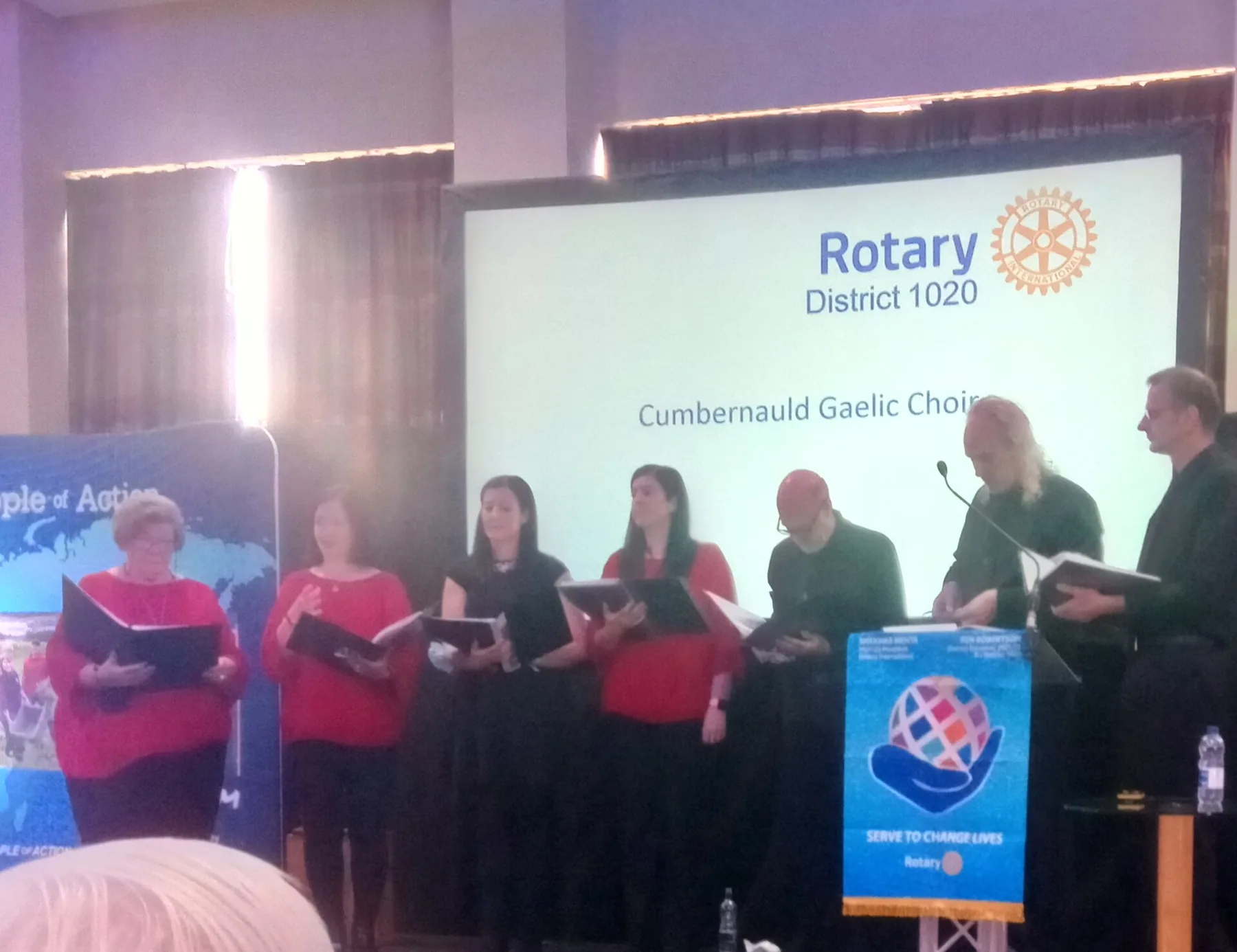
Example: PLENA VOCE (Méry-sur-Oise) is looking for a volunteer bass and tenor. Twice-monthly rehearsals, audio materials provided, varied program and concerts for the 20th anniversary.
Segmenting communication by section helps clarify expectations: level, autonomy and availability. Offer mentoring, catch-up sessions and annotated scores to make integration easier.
Create partnerships with singing schools, teachers and studios. Ask for recommendations for rare voices and adapt the repertoire to showcase each section.
“Highlighting the vocal line in video hooks attracts choir singers who want to play a real role.”
| Action | Target | Expected Result |
|---|---|---|
| Targeted announcement by section | Tenors / basses | Qualified responses |
| Partnership with teachers | Schools and studios | Reliable recommendations |
| Fast-track pathway | Rare voices | Ready for the first concert |
| Indicator tracking | Campaign | Message optimization |
Plan the campaign in sync with the first repertoire rehearsals. Keep a waiting list and offer parallel projects to retain contacts.
Choir Conductors: Recruit, Pay and Clarify Roles
Recruiting a conductor first means clarifying the artistic mission and practical framework. Define the target repertoire, the number of concerts per season, the singing week and the expected level for the vocal ensemble.
Publish a precise announcement listing the skills: conducting, vocal technique, rehearsal leadership and experience with choir and orchestra (e.g. Chorus Semper Viret: choir + orchestral ensemble conducting, 6 concerts/year).
Conduct targeted interviews: ask about artistic vision, examples of works studied, learning methods and section management.
Organize a public test session to assess pedagogy, communication and human fit with the choir members.
- Payment: compare expense reimbursement and employment, apply scales and agreements, clarify charges and responsibilities.
- Contracts: set goals, number of rehearsals, preparation of works and concert attendance.
- Governance: the music committee and board approve the project; plan regular feedback.
Prepare integration: public presentation, information for partners and communication of the new artistic direction.
“An annual teaching plan guarantees continuity and makes it possible to assess progress.”
| Step | Key Action | Manager |
|---|---|---|
| Brief | Mission, repertoire, calendar | Music committee |
| Publication | Desired profile, selection process | President / treasurer |
| Test session | Rehearsal leadership, human relationship | Panel + choir member contacts |
| Contract | Payment, goals, concert attendance | Board |
Young People, Summer Workshops and Vocal Ensembles: Recruitment Relays
Connecting summer workshops and regular rehearsals creates effective integration pathways.
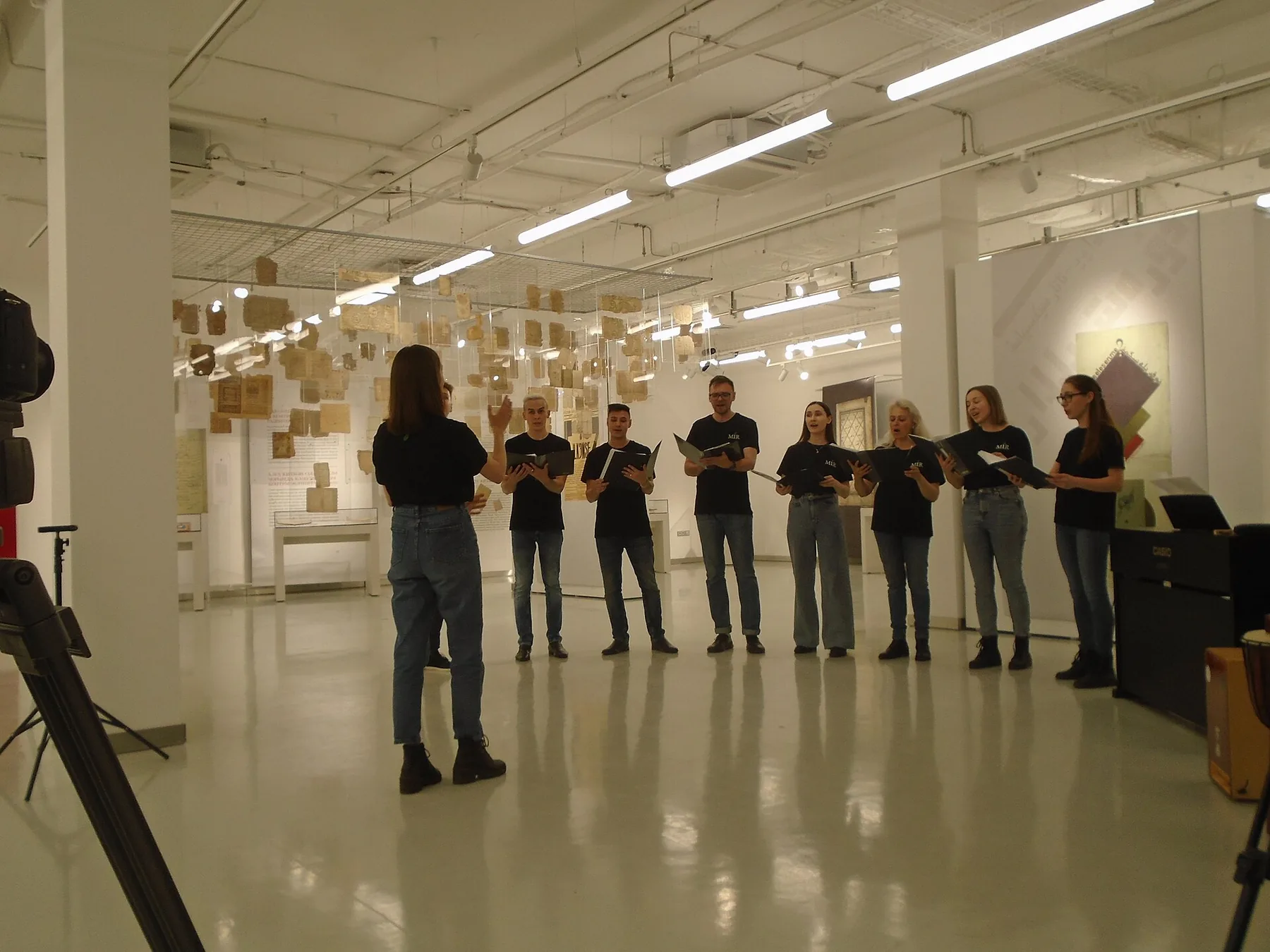
Build bridges: invite participants from programs such as “Rock The Casbah” (ages 8-17, 5 h/day of workshops) or Toulouse courses by La Boîte à Outils to a discovery rehearsal. Offer a run-through so they can see the project for real.
Present the learning: emphasize supervision, audio materials and progress. Connect these elements to their course experience to make the transition easier.
- Identify artists: follow local competitions (Béziers), studios and singing classes (Paris 11) to contact candidates.
- Highlight the performance: offer shared stages or pre-concert workshops to motivate young people.
- Create an entry pathway: a short 4-week cycle for newcomers.
Working with organizers through visibility exchanges on the Facebook page and newsletters strengthens candidate circulation. Maintain the connection with a Messenger/WhatsApp group and track the impact: contacts from courses and conversion rate.
| Source | Action | Expected Result |
|---|---|---|
| “Rock The Casbah” course | Invitation to a rehearsal + run-through | Discovery, 1st trial |
| Competitions / studios | Personalized contact | Recruitment of a motivated artist |
| Local organizers | Visibility exchange (Facebook page) | Regular flow of candidates |
| Short 4-week cycle | Guided integration | Higher conversion rate |
Case Studies Inspired by Real Announcements
In the field, announcements that list location, times and repertoire perform better than invitations to audition.
Clear Informative Announcement vs Audition Format
Finding: a structured post (location, time, level, link to the page) generates more clicks and qualified messages.
By contrast, calls centered on the audition receive fewer contacts and more drop-offs.
Video + Free First Session: Results
A short clip posted on the Facebook page, showing a rehearsal and a testimonial, increases trust. Offering a free first session removes the commitment barrier.
“Specifying works and style attracts suitable candidates and reduces departures after integration.”
| Format | Indicator | Impact |
|---|---|---|
| Clear announcement | Clicks and messages | +40% qualified contacts |
| Raw audition | Registrations | -20% conversion to trial |
| Video + session | Rehearsal attendance | +30% attendance at 1st trial |
Quick recommendations: add video, calendar, FAQ and a visible registration button, and specify the repertoire. Track results by channel to reallocate effort.
Measure, Test, Improve: Indicators and Iterations
Simple and regular indicator tracking turns contacts into active members.
What to track: impressions, click-through rate to the page, messages received, trial registrations and rehearsal attendance.
Click-Through Rate, Messages Received, Rehearsal Attendance: Track What Matters
Define quantified goals by channel for the summer-to-back-to-school period: click target, number of registrations and quality threshold by section.
- Instrument: UTM on links, tagged forms and a shared spreadsheet to count visits and source.
- A/B test the hook, visual, video versus image, and call to action to optimize quickly.
- Iterate every week: analyze, adjust creative assets and redistribute effort toward high-performing channels.
Calculate acquisition cost by adding time spent and ad expenses. This helps arbitrate choices for the next year.
Close the loop with recruited people: ask them, through a simple field on the form, which line or channel they found you through.
“Standardize reports in the toolbox to build on best practices each year.”
Formalize an annual operational guide and share a brief report with the board and conductor. This way, the ensemble becomes more effective and the goals become measurable.
Conclusion
To finish, focus on welcome, message clarity and measuring actions. Adopt a candidate-centered approach: clear information, visible social proof and a frictionless entry path.
Plan a precise page, authentic videos and a simple call to action. Use the À Cœur Joie sheets to secure rights, images, photocopies, ticketing and safety.
Plan the summer-to-back-to-school calendar, follow up at the right time and test each format through key indicators. Mobilize local partners, studios, schools and public support to amplify the impact.
Action: publish the page, launch the first post, organize the open house. This way, the choir gains cohesion and singing takes root sustainably through to the end of the season.