

Welcome: this page lists the best reliable sites and resources to supply your vocal ensemble right away.
By “choir score,” we mean a clear, structured document with identified voices (soprano, alto, tenor, bass), lyrics, sometimes translations, and indications for tempo, dynamics and breathing.
A good file helps both the conductor and the choristers: it stabilizes intonation and makes preparation easier. You will find print-ready PDFs, support audio tracks and MIDI files by section.
We explain how to broaden your repertoire, save time and adjust the voices according to the ensemble’s abilities. Platform homepages offer filters by level, aesthetic and alternative versions for quick access.
The result: practical advice for sorting, downloading, annotating and preparing an effective session. The rest of the article details free sources, mixed offers, choir pages that share their resources, and good editorial practices.
The right reflex for enriching your choir repertoire right now
A good vocal file specifies the tempo, meter, key and dynamics. This information allows the choir conductor to establish a clear framework from the first reading.
Check that separate SATB voices are present, that the lyrics appear under the staff, and that phrasing or articulation marks are included. A double bar, repeat or coda must be visible.
- Centralize your needs: list your forces, vocal ranges and the type of score you are looking for before opening a site.
- Aim for efficiency: use homepage filters (level, style, type) to save time.
- Prioritize practical files: MIDI files or section-by-section tracks speed up song learning.
Prepare the first working page by annotating breaths, entries and transitions. If possible, select a piece in both a cappella and accompanied versions to anticipate changes in available singers.
Standardize your archive by site and by song so you can quickly find your pieces during rehearsals.
Free Sheet Music for Choir: Where Can You Find It?
These platforms let you explore older editions, community versions and sound archives that are useful for voice work.
ChoralWiki / CPDL: a leading site with around 40,000 works. Each page often provides the score, complete texts and sometimes translations. Ideal for building a historical repertoire supported by clear metadata.
IMSLP (Petrucci): a vast library, with more than 500,000 files, where you can find major public-domain works. Useful for conductors who want to compare editions and verify the source of a score.

MuseScore: both software and a community library. You will often find several versions of the same song, with separate voices and annotations. Printing or adapting is practical; unlimited access may require a subscription.
Collectage !: sound and video archives from 10 centers. These field recordings feed choral arrangement work by restoring the oral character of traditional songs.
- Practical method: listen on Collectage !, locate the score on CPDL or IMSLP, then test and adjust through MuseScore.
- Tip: compare versions and sources to choose the clearest writing for your voices.
To explore further, see this page of resources for choirs, which brings together useful tools and files for conductors.
Mixed platforms useful for choir conductors and choristers
Mixed sites offer file libraries and isolated voices to make vocal preparation and section work easier.
Voxchori focuses on free sharing: you can find scores and rehearsal voices, classified by level (easy ↔ difficult), style (from the Middle Ages to contemporary music) and ensemble type (mixed choirs, equal voices, ensembles). The search menu on the homepage lets you filter by score name or composer.
Free Scores
This site offers a choral singing section with filters by aesthetic, number of voices, instrumentation and difficulty. You can choose instant download or paper delivery.
Éditions à Cœur Joie
A clear PDF catalog for two to four voices, MP3s and collections for children’s voices. The quarterly subscription regularly provides new scores suited to the choir’s configuration.
Partitions-musicales.net
Dedicated lists: mixed, women’s, men’s or children’s choirs. The repertoire covers classical, jazz, pop and art song, with PDF options and postal delivery.
- Quick tip: compare a song on two sites to check range, readability and phrasing indications.
- Organization: combine immediate downloads and paper orders for a durable library.
Choir sites that share scores, lyrics and voice-by-voice working files
Several choir pages provide complete files and separate tracks for working on each section.
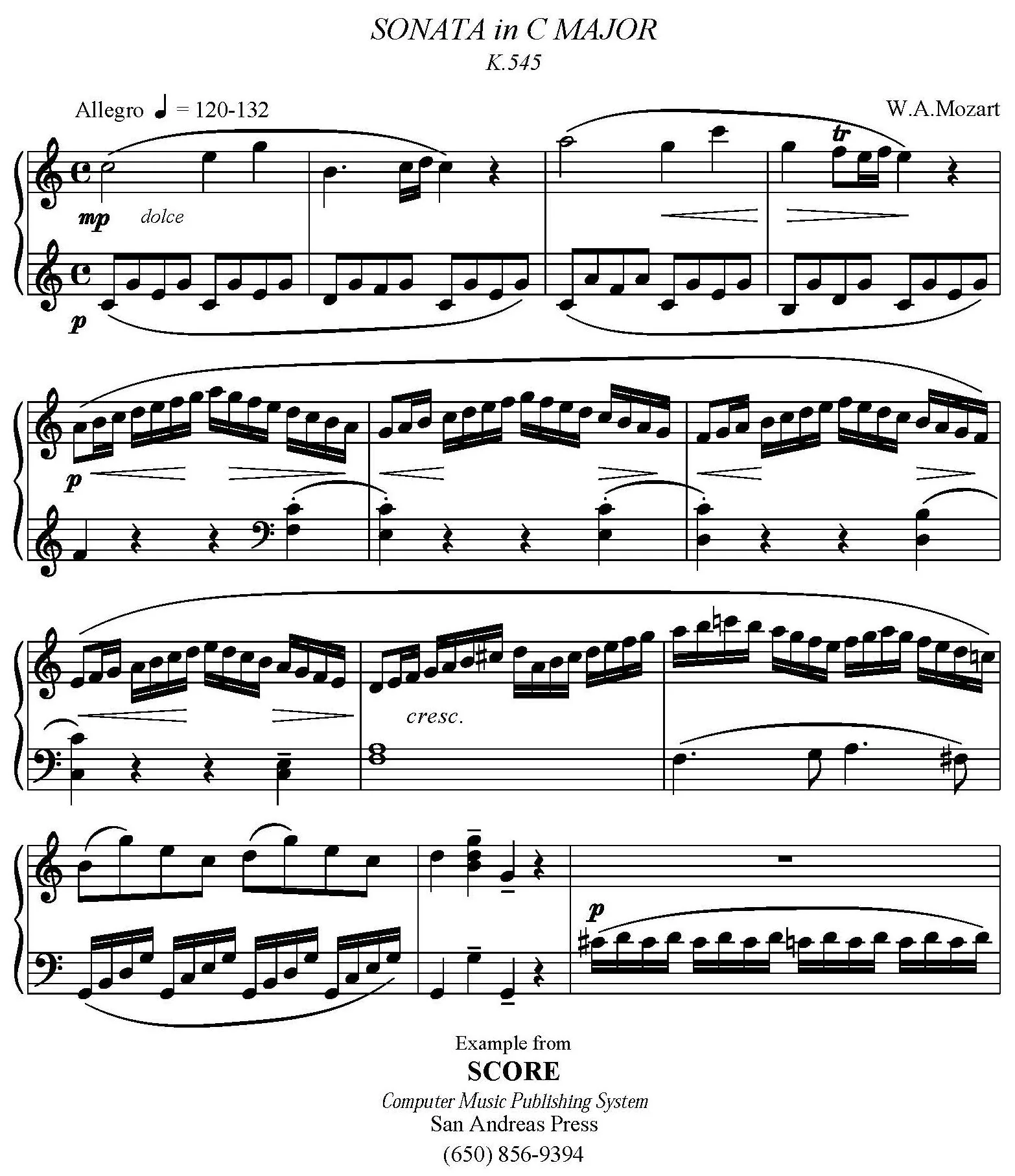
Les Copains d’abord (Bois-Bernard)
A living database: PDF, MIDI and MP3 accompany each score to establish entries and dynamics. Some tracks are public recordings; others are generated with Harmony Assistant.
The site’s policy limits the distribution of commercial scores. For recent songs, only audio or MIDI files are provided, which avoids rights issues.
Chorale Capella & Manque pas d’air
These pages publish a downloadable repertoire with separate voices. S, A, T and B are available independently, which speeds up section work and getting pieces in place over just a few sessions.
Taizé Community
Taizé offers creations and convertible MIDI files. With conversion software, you can generate a version for each voice, useful for services or contemplative rehearsals.
- Practical tip: give each section its files, keep the PDF as the reference, then synchronize in tutti.
- Archiving: create one folder per song with the score, lyrics, section tracks and interpretation notes.
Thematic resources for protest songs, goguettes and politically engaged repertoires
Engaged repertoires require resources that place each song in its social and historical context.
Chants de lutte places each song in its historical and social framework. You will find texts, sometimes translations, and interpretation notes useful to the conductor.
Choralternative (Rouen), L’Écho Râleur (Chambéry) and La Chorageuse (Grenoble) publish scores and recordings. These pages often provide PDF, MP3 and ready-to-use booklets.
Voix de l’usine offers a collection of recorded voices and scores. Listening to these recordings helps capture the original aesthetic and phrasing.
Collections (Carnet de l’Écho Râleur, Recueil de goguettes, Karaoké Chorale) offer PDF booklets bringing together feminist songs and goguettes. Some ask for a support contribution.
- Choose a song, listen to several versions, then analyze the score.
- Work on lyric diction and balance between the voices.
- Document each piece with sources and interpretation notes.
| Resource | Type | Content | Advantage |
|---|---|---|---|
| Chants de lutte | Thematic database | Texts, translations, notes | Historical context |
| Choralternative | Local site | Scores, recordings | Ready to rehearse |
| Voix de l’usine | Audio archive | Recorded voices, scores | Interpretation model |
| Collections | PDF booklets | Goguettes and feminist songs | Ready-to-program pack |
How to choose and use your online choir scores well
Before downloading, check the description sheet: it describes the vocal range, arrangement and level. This saves you time and surprises in rehearsal.
Key criteria: SATB voices, arrangement, key, difficulty, accompaniment
- Check suitability: choose a score whose voice ranges match your ensemble.
- Assess key and difficulty: prioritize comfortable pitches and progressive complexity.
- Clarify the accompaniment: a cappella or piano/guitar, depending on the room and aesthetic.
- Inspect the layout: clear systems, visible breaths and repeats stabilize the singing.
- Plan the phrasing: mark articulations, slurs and breathing points to unify the sections.
Features to prioritize: filters, versions, translations, clear homepages
- Use filters by style, choir type and level to find suitable scores.
- Prioritize versions with working files: demos, MIDI or tracks by voice.
- Retrieve translations to align meaning and stress with performance.
Practical advice: the choir conductor sequences the reading (duo → trio → tutti) and archives each song with interpretation notes.

Rights, versions and formats: what a choir conductor needs to master
Managing files and permissions simplifies preparation and protects your ensemble.
Clarify rights: distinguish the public domain (free melody and text) from protected works. Some pages, such as Les Copains d’abord, do not host commercial harmonizations and offer free arrangements as PDFs. For a contemporary song that is not free, only MIDI or MP3 files are often provided.
Adapt your practices: use audio tracks for training if the score cannot be distributed. Also check whether the music is free but the lyrics remain protected.
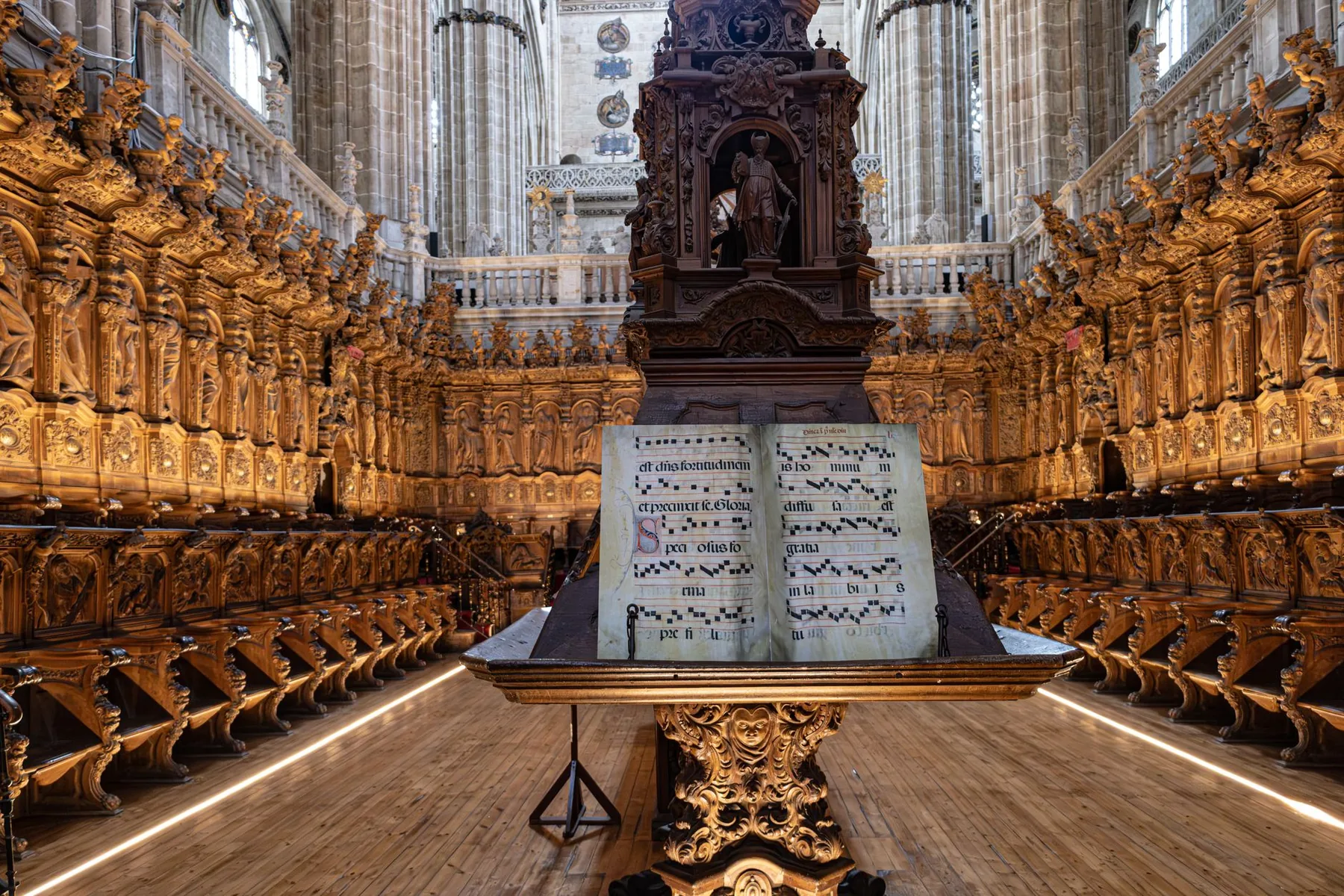
Preferred formats: PDF for printing and annotation, MIDI/MP3 for section-by-section learning, MusicXML for clean editing and transposition.
Advice: archive a reference version, number each iteration and keep the author and arranger credit.
| Use | Format | Advantage | Use case |
|---|---|---|---|
| Printing & annotation | Stable, readable, annotatable | Rehearsals, paper scores | |
| Individual work | MIDI / MP3 | Vocal rehearsals, slowing down | Section exercises, memorization |
| Editing & transposition | MusicXML | Editable, exportable | Adaptation, rewriting |
| Official sale | Paid PDF | Clear license | Professional editions (e.g. Éditions à Cœur Joie) |
For resources and practical links, see this selection of reliable sites, which guides you toward formats suited to choir work.
Conclusion
In the end, mixing free resources and specialized platforms remains the best path.
Combine databases such as CPDL and IMSLP, community libraries such as MuseScore, and sound archives such as Collectage ! This combination creates a solid, focused library.
Make systematic use of voice-by-voice files to speed up learning and improve choir cohesion.
Pay attention to rights: distinguish public domain from protected works, and choose legitimate channels for each song.
A winning routine: scouting, checking the key, preparing materials, sequenced rehearsals and then tutti consolidation.
Plan a short test list today with at least one piece from each family of resources. Your conductor and your choir will thank you.