
Choir, breath and repertoire
Voce Humana opens a clear workshop for collective voices
The site supports choristers, choir directors, teachers and vocal groups who want to choose songs, prepare a rehearsal and keep their listening alive. Every entry starts from concrete situations: a voice trying to find its place, a section that hesitates, a program to balance, a celebration to lead or a group to restart.

Listen
Identify what each section contributes before correcting pitch.
Breathe
Build simple habits to support the phrase and protect voices.
Choose
Build a repertoire that serves the group’s real level and the concert context.
Pass On
Give choristers memorable reference points they can use from the very next rehearsal.
Field Method
Move a choir forward without losing the warmth of the group
A choir rarely progresses through one spectacular gesture. It moves forward through a series of modest decisions: choosing a suitable song, clearly naming the session’s goal, giving the right starting cue, dividing the work between sections, then returning to the pleasure of hearing several timbres come together. Voce Humana brings these gestures together to help choir leaders turn an ordinary rehearsal into a clear, welcoming and useful moment.
Visitors may be looking for a Christmas repertoire, a way to lead music at a Mass, ideas for children, arguments for recruiting choristers or a simple explanation of alto, tenor and bass voices. The editorial path guides these needs without imposing closed vocabulary. It first offers a human picture of vocal work, then an index of questions, in-depth advice and a lively selection of the most useful publications.
The approach remains practical: it talks about breath, listening, confidence, key choice, vocal fatigue, collective memory and the place given to beginners. A choir can aim for precision without becoming cold; it can maintain musical standards without discouraging singers who are learning. This is the line the site highlights for readers who want to sing better, prepare a program or pass on an instruction with care.
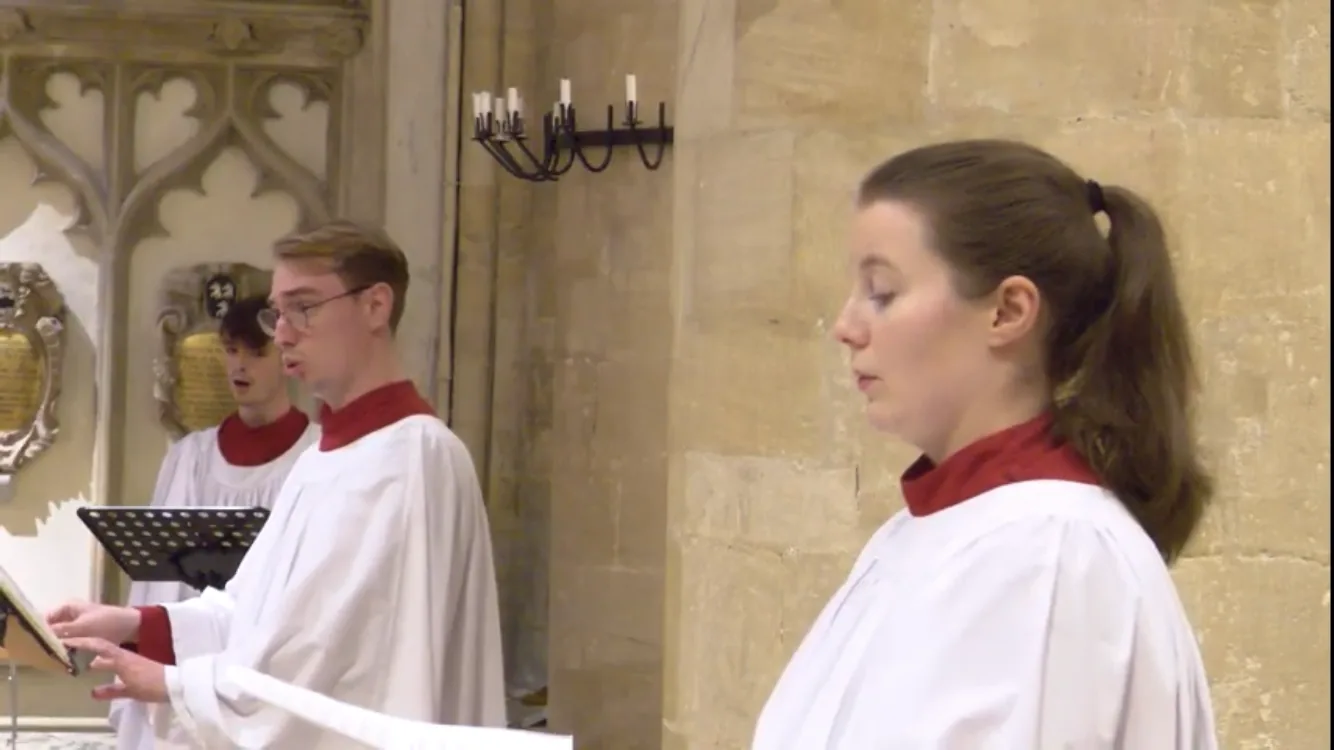

A reading path from idea to vocal gesture
The resources published on Voce Humana do not promise a magic solution. They offer points of support: how to choose between two songs, how to keep one section from carrying the whole group, how to prepare children without tiring them, how to announce a concert and how to preserve a sound identity when numbers change.
The reader arrives, quickly understands the site’s subject, sees an authentic choir image, then reaches the articles that match their question. Useful content remains easy to browse: Christmas songs, adult repertoire, liturgical music leading, festival preparation, the role of each voice and small methods for rehearsing without rushing singers.
Rehearsal Reference Points
Keep musical standards clear for every chorister
A choir director often has to hold several threads at once. They listen for pitch, watch the tempo, think about the balance between voices, encourage shy singers and keep the more confident ones from covering everyone else. Voce Humana’s articles address these situations in simple language, so that reading leads to a concrete gesture as early as the next rehearsal.
The site also speaks to people who organize musical activities without having a deep theoretical background. They find pathways for choosing a song suited to the place, the participants’ age, the time available and the desired color. A good program is not just a list of titles: it tells a progression, preserves the voices and gives the audience a natural listening experience.
- Prepare a short choir session with a precise vocal goal, rather than a series of scattered corrections.
- Choose a repertoire that respects the choir’s real level while leaving room for discovery.
- Present dynamics, breaths and section entries with voice-related words that everyone can remember.
- Create a listening climate in which beginners dare to sing and experienced singers remain attentive to the group.
This attention to the collective gives Voce Humana its coherence. The texts do not try to replace a course in choral conducting; they offer a reliable base for reading, comparing, trying things out and returning to the articles when the group encounters a new difficulty.
Recent Articles
Latest Published Reference Points
A lively selection of the latest resources, with the images specific to each article.
-
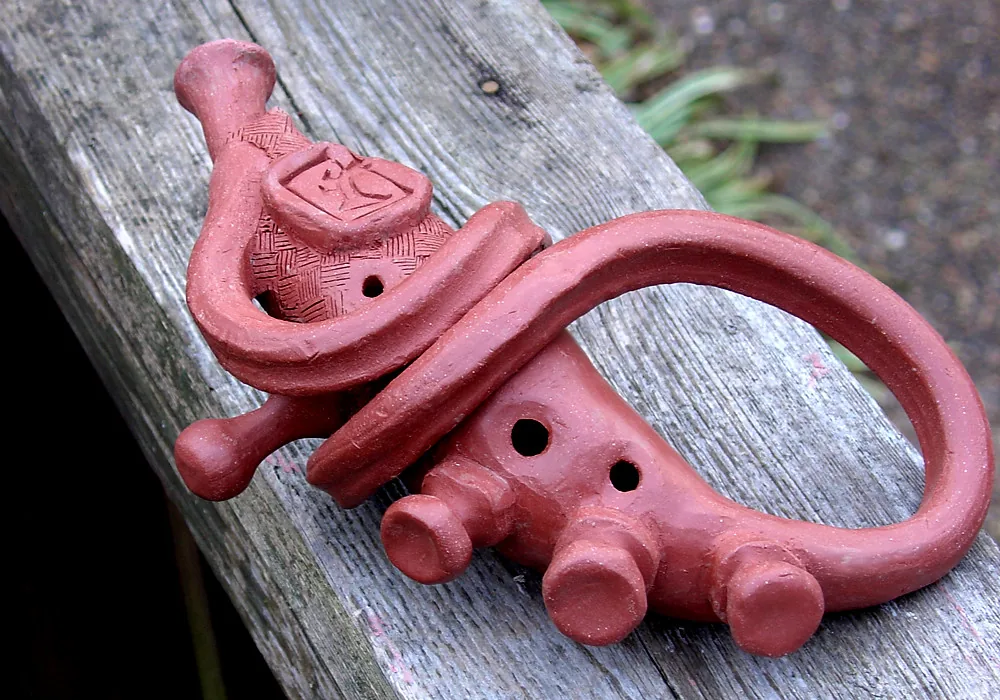 +
+What Is the Origin of the Ocarina?
-
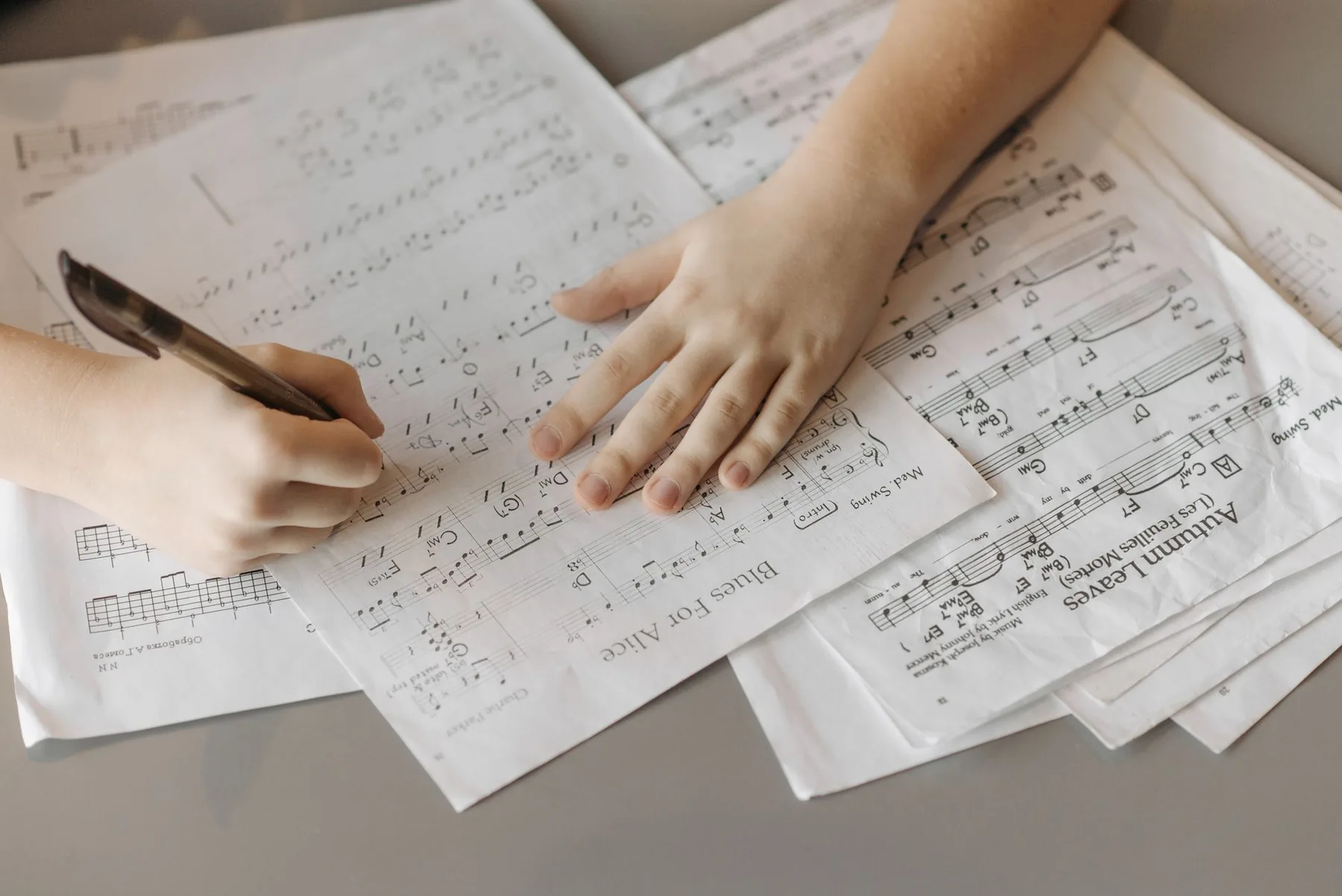 +
+Ocarina tablature: how to read it easily
-
 +
+Tapion’s Ocarina: History and Music from Dragon Ball
-
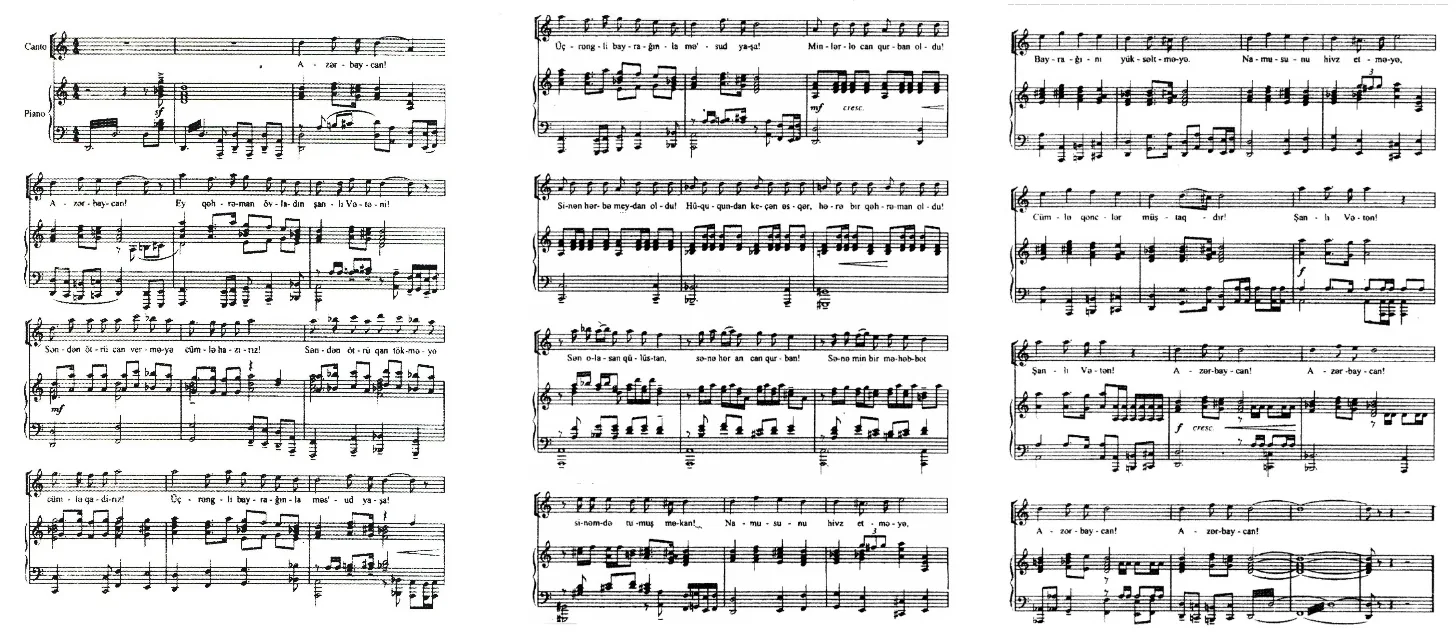 +
+Ocarina Sheet Music: How to Read It and Find Suitable Pieces
-
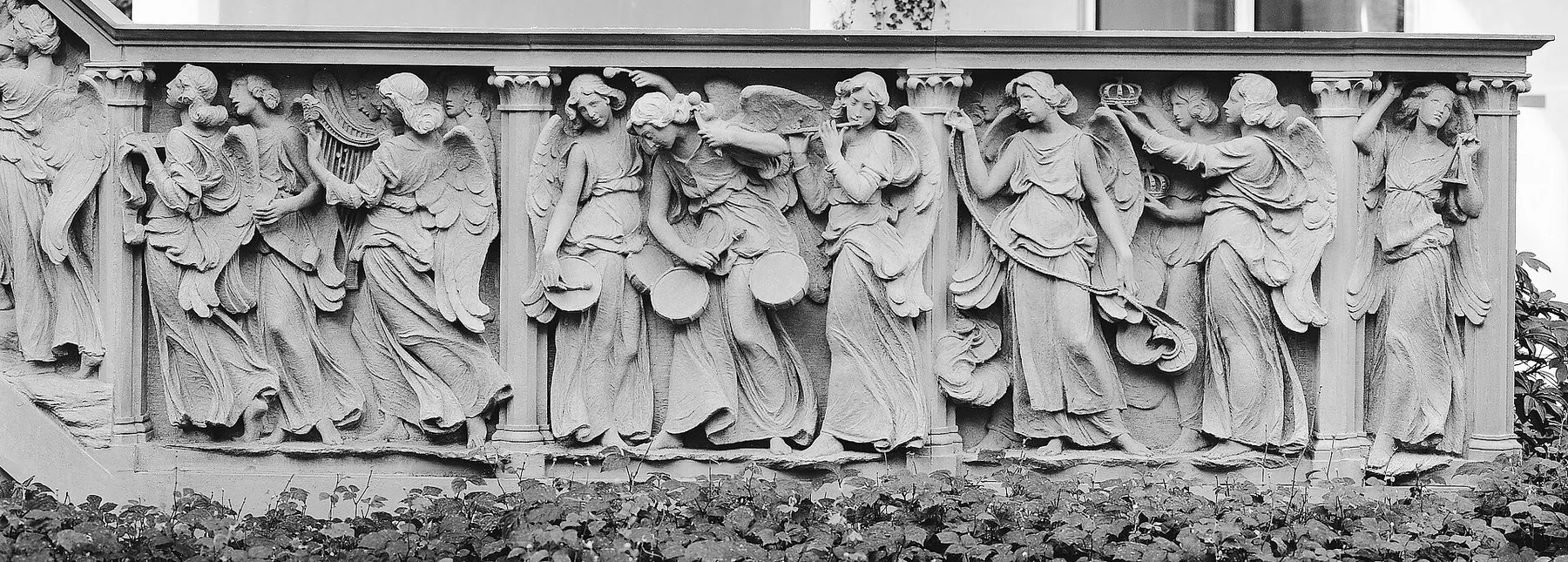 +
+What Is a Choir: Definition and Everyone’s Role
For a choir director, a chorister or someone organizing a musical activity, the right article should be accessible without detours. The structure remains simple: a sensitive entry point, short reference points, editorial depth and a current list. It invites readers to read, try, return, compare ideas and adapt the advice to the size of the group, the place, the time available and the musical ambition of the project.