
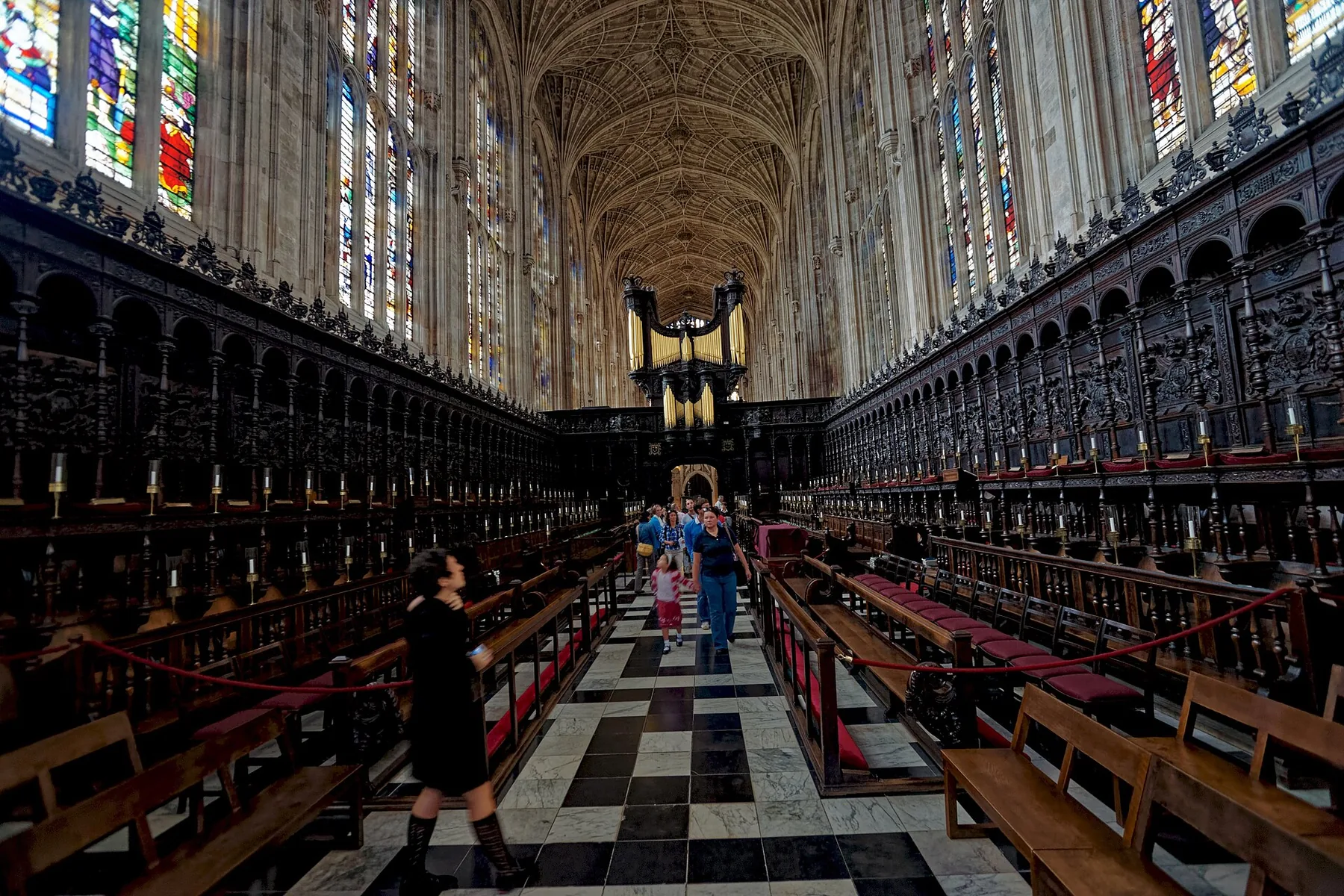
Choral singing offers well-being and social connection. It is a collective practice that brings people of all ages together around the same love of music.
This article guides you step by step through identifying your expectations, choosing a suitable repertoire, and finding a choir that fits your schedule.
You will learn where to look for ensembles in Paris: town halls, association fairs, Facebook groups, and the directory of La Corde Vocale. These sources help you compare styles: classical, gospel, and world music.
Goal: turn the desire into action. We will also look at the essential criteria — type of choir, days, and admission requirements — so that the practice remains a source of progress.
By the end, you will have a simple plan for trying out an ensemble, auditioning if necessary, and joining other choristers with confidence, enjoyment, and passion.
Understanding what choral singing is and your initial expectations
Knowing why you want to sing in a group makes choosing an ensemble much easier. Take a few minutes to clarify your goals: sharing a human adventure, singing works from the repertoire, or improving technically with your voice.
Assess your level and your ease with reading music. In some cases, especially for sacred music (Requiem de Mozart, Gloria de Vivaldi, Passion selon saint Jean), reading is required and auditions may filter admission.
Many ensembles gladly welcome beginner adults and offer a trial session. Attending a rehearsal or concert gives you concrete reference points for the repertoire and the conductor’s teaching style.
- Clarify the type of repertoire that appeals to you.
- Define your availability and motivation.
- Prepare for an audition if you are aiming for a demanding choir.
To learn more about how to sing in a group and prepare for your first rehearsals, see this practical article: how to sing in a choir: a practical guide.
Finding a choir in Paris: reliable and immediate methods
The best ways to find a vocal ensemble combine municipal contacts and specialized tools. Start with your arrondissement town hall: it centralizes information about local associations and organizes an association fair every year in September and October. It is an opportunity to meet organizers and speak with them directly.

Ask at the town hall and association fairs
Visit your town hall’s website or go to the reception desk to get the list of associations. Note the venue, schedules, and contacts so you can plan trial sessions.
Use La Corde Vocale and its interactive map
La Corde Vocale, a reference since 2003, offers a complete directory of vocal ensembles. The interactive map lets you quickly locate nearby choirs and read their profiles before sending an introductory email.
Spot notices and groups on social media
On Facebook, search for keywords such as “choir” and “chorister” combined with “Paris” to find groups and recent announcements. Also activate your personal network: friends and colleagues often share leads.
Check the classified ads from the Cité de la Musique – Philharmonie
The “announcements” section of the Cité de la Musique regularly publishes offers such as “choir seeking choristers.” Create a free account and reply by specifying your voice part and availability.
- Tip: centralize all the information (days, level, repertoire) so you can compare several choirs before trying one.
- Prioritize a clear first message: experience, vocal range, and goals make it easier to get a response.
Choosing the choir that suits you
A thoughtful choice starts with a few simple, concrete criteria.
Repertoire, atmosphere, and the conductor’s teaching style
Repertoire: check whether it matches your tastes (gospel, early music, world music, sacred music).
Atmosphere: do you prefer a friendly group or a demanding ensemble?
The conductor’s teaching style matters: warm-ups, vocal technique, and structured progression support improvement.
Rehearsal days, times, and location
Make sure the days and times fit your schedule. Weekly rehearsals often last 1 hour 30 minutes to 2 hours.
Check the location: proximity and accessibility make regular attendance easier, especially during intensive sessions before a concert.
Required level, audition, and voice placement
Ask about the required level: some choirs accept beginners, while others require reading ability or experience.
A brief audition or pitch test is often used to determine your voice part. Gather all the practical information (calendar, registration procedures) before confirming your choice.
Which repertoire and type of choir to choose when starting out
Before choosing an ensemble, identify the sound and aesthetic that motivate you most.
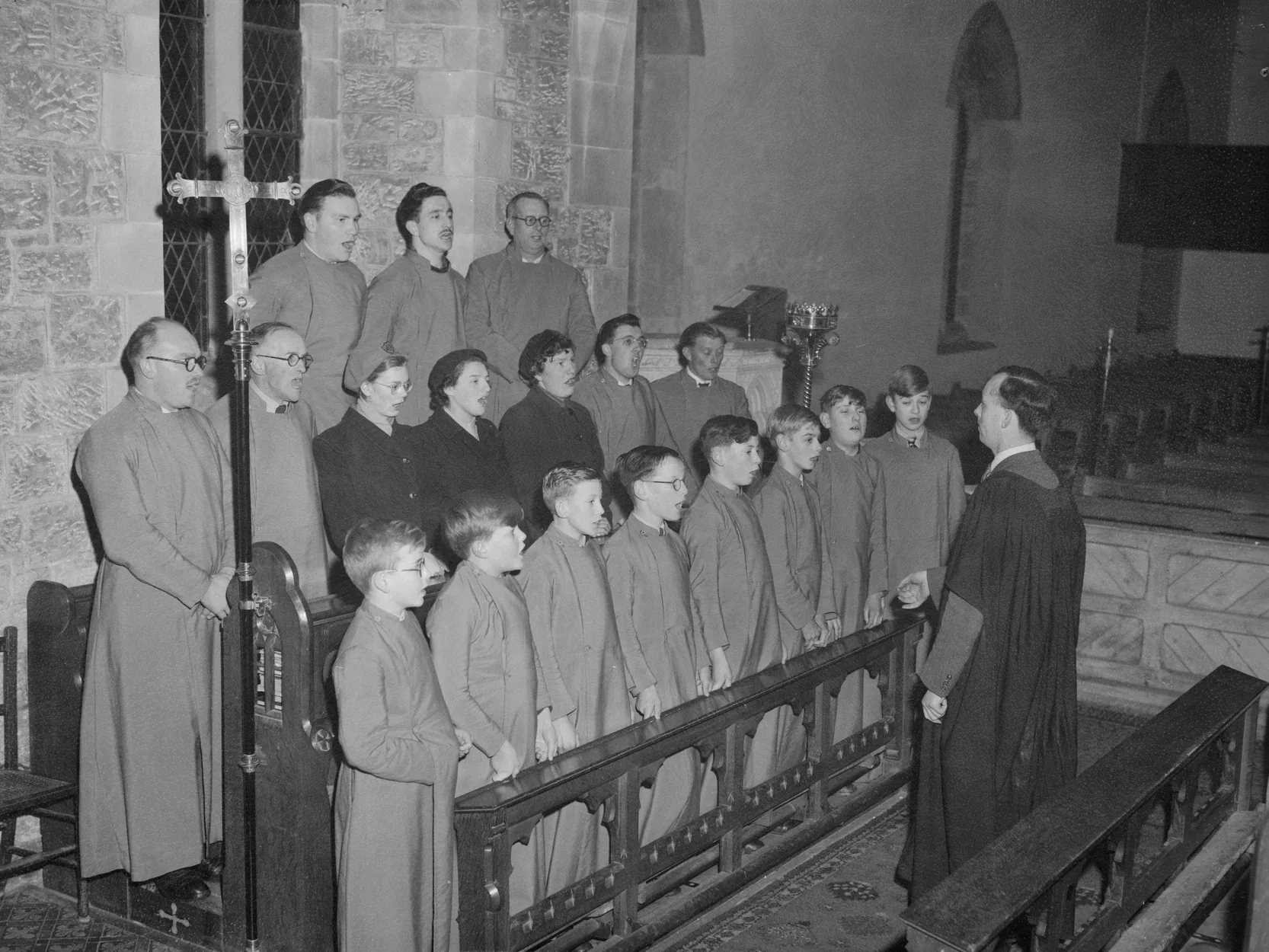
Classical and sacred music: works, requirements, and reading
Major repertoire: Requiem de Mozart, Gloria de Vivaldi, Passion selon saint Jean. These pieces require concentration and accuracy.
Note: reading music is sometimes necessary. The work focuses on vocal balance and nuance.
Gospel choirs: energy, movement, and the joy of singing
Gospel has its roots in Negro spirituals and encourages physical expression.
A warm atmosphere, lively stage presence, and strong interaction with the audience: it is ideal for choristers who like moving while they sing.
World music and themed repertoires: variety and discovery
These ensembles explore modes, languages, and polyphonies. You may find Balkan, African, or Latin American cycles.
It is perfect for anyone who wants to diversify their practice and discover new sound colors.
- Advice: adapt your choice to your available practice time and your preferred sound.
- Ask for audio or video excerpts to check the style and quality.
| Style | Requirements | Atmosphere | Ideal for |
|---|---|---|---|
| Classical / sacred | Reading, precision, long works | Contemplative, structured | Singers seeking finesse and rigor |
| Gospel | Rhythm, physical engagement | Festive, interactive | Singers who love the stage and emotion |
| World music | Flexibility, learning idioms | Exploratory, colorful | Choristers curious about diverse traditions |
Actually joining a choir in Paris: tracks, conservatories, and ensembles
Conservatories offer clear pathways for children, teenagers, and adults, making it easier to enter a collective practice.
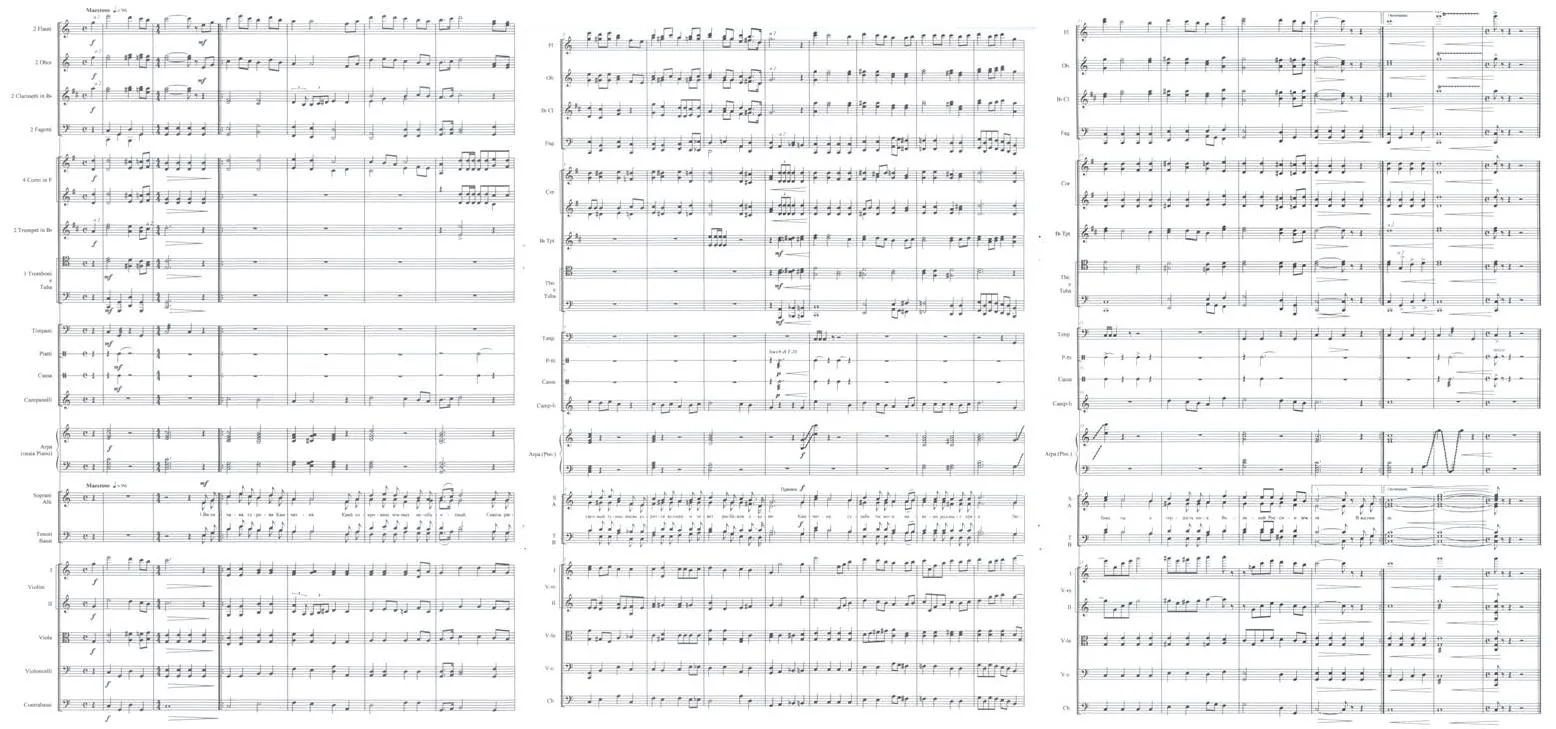
Voice track for children and teenagers
At CMA10, the voice track welcomes children from CE1 through high school. The curriculum is organized in cycles: a two-year first cycle, then preparatory pathways and a four-year second cycle.
Students attend three weekly classes: choir or rhythm workshop, vocal technique in small groups, and music theory (1 hour 30 minutes to 2 hours depending on age).
Chœur d’adultes Hector Berlioz
The choir brings together about 50 choristers under the direction of Isabelle Michelin. Rehearsals take place on Tuesdays from 7 p.m. to 9:50 p.m.: tutti technique, section work, then a final tutti.
The required level is high: sound blend, prosody, breathing, and learning by heart. The pianist and vocal preparation strengthen the quality of the work.
Calendar and practical arrangements
Registrations are annual, from September to June, excluding school holidays. Classical singing begins at age 16 by audition and combines music theory, an individualized workshop, and vocal technique.
- Advice: contact the Conservatoire du 10e at 01 42 38 33 77 to find out the location of sessions and available time slots.
- For families, schedules from Tuesday to Saturday make it easier to organize around children’s ages.
Practical advice for your first rehearsals and concerts
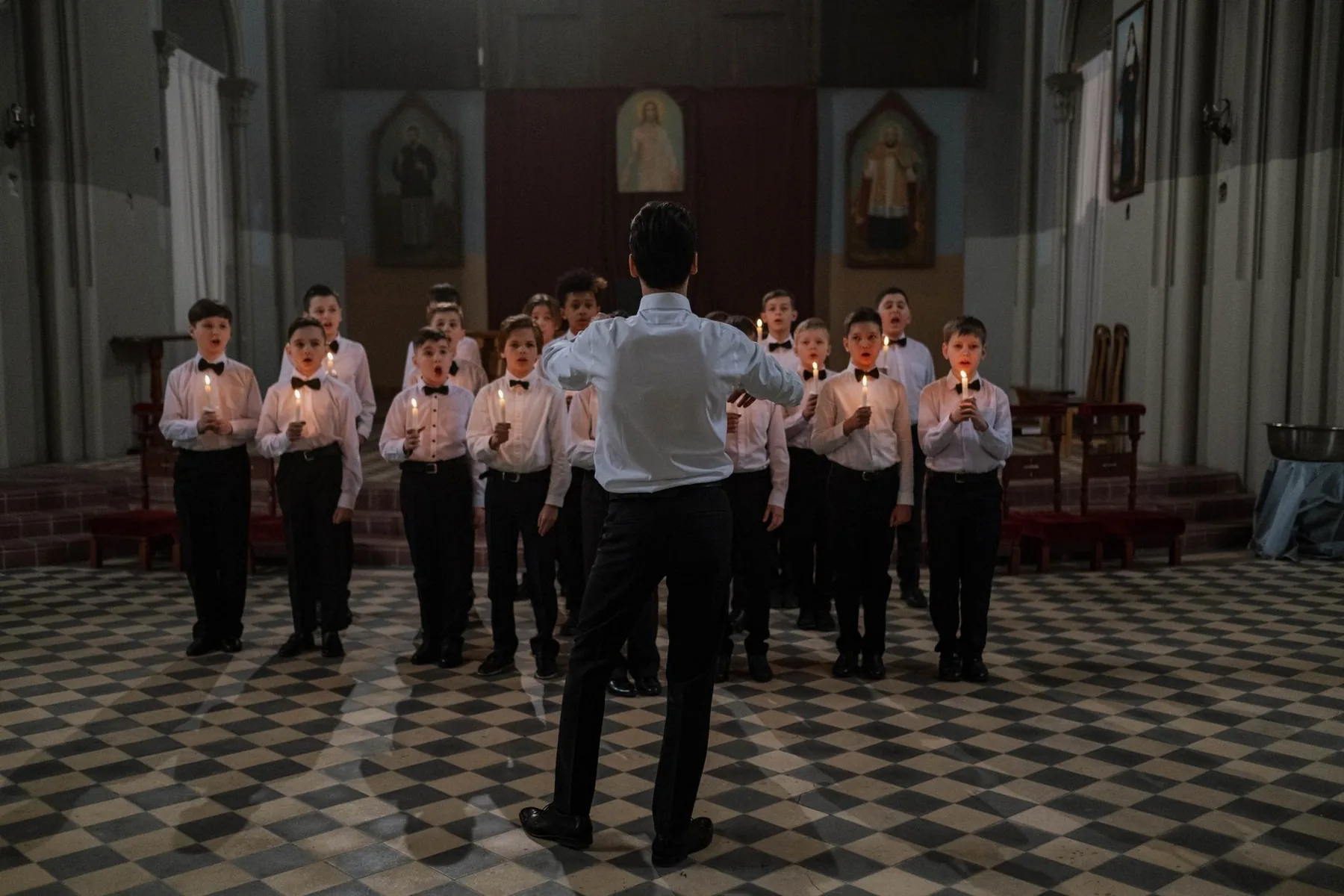
Sessions generally last two hours: warm-ups, technical exercises, and learning songs. Extra rehearsals often take place before concerts.
“Regularity and mutual listening are worth more than isolated practice.”
Goal: sound blend — pitch accuracy, phrasing, rhythm, prosody, and breathing — then memorization for the performance.
- Arrive early: hydrate, warm up your voice, and adopt a stable posture.
- Bring your score, a pencil, and a recorder if useful; note nuances and instructions.
- Respect the session plan: warm-up, technique, sight-reading by section, then tutti.
- Honestly assess your level and plan regular personal work with MIDI files or online resources.
- Before concerts, anticipate dress code, call times, and placement; review entries and breaths.
- Take care of vocal hygiene: hydration, rest, and recovery after effort.
- Develop your listening to other choristers so you can adjust volume and timbre.
These tips encourage a calm practice and successful concerts. Stay curious: each rehearsal is a step toward a polished collective result.
Conclusion
In summary, several reliable routes can help you quickly join a vocal ensemble. This article brings together practical sources: town hall and association fairs, La Corde Vocale, Facebook groups, and announcements from the Cité de la Musique – Philharmonie.
Municipal conservatories offer pathways for all ages, from children’s courses to adult projects. Consider CMA10, the voice tracks, and the Chœur d’adultes Hector Berlioz; registrations often run from September to June.
Choose a choir according to your level, your passion for music, and your availability. If you are unsure, try one or two choirs and compare the supervision and repertoire.
In practice, commit gradually, keep enjoyment as your compass, and dare to take the step, whatever your situation.