

This practical guide takes you step by step through joining a vocal ensemble in France. It is designed for beginners of all ages who want to combine enjoyment with learning music.
A choir brings several voices together under the direction of a choir conductor. You learn harmonies (root, third, fifth), pitch accuracy and posture through collective work.
France has more than 10,000 ensembles and 2.6 million choir singers. Many organizations welcome everyone, with no required level. Motivation and consistency matter more than perfection.
In this article, you will find clear goals: gaining confidence, understanding the basics of singing, knowing where to sign up and avoiding common mistakes.
Expect regular rehearsals, a varied repertoire and breathing and warm-up exercises. Our simple advice is designed to help you gradually get started with singing and turn interest into action.
Getting started in a choir today: goals, mindset and first points of reference
Joining a vocal ensemble today first means defining simple, concrete goals.
Clarify your goals: gain confidence, improve pitch accuracy, find your place as a singer within the group and, above all, enjoy yourself day to day.
Adopt a collective mindset: progress depends on attendance, listening and following instructions. Accept that mistakes will happen at the beginning; they are part of the practice.
Understand the commitment: rehearsals often take place two evenings a week, with a little work between sessions and sometimes weekends for concerts.
- Quick points of reference: voice sections (soprano, alto, tenor, bass) and listening to the other choir singers.
- Prevention: stay hydrated, warm up and avoid straining your voice.
- Simple progress: hold your melodic line and feel the shared enjoyment.
Here is some practical advice: set aside a weekly time slot, record yourself now and then and stay curious. Everyone can take part, even without music theory.
Why sing in a choir when you are a beginner: concrete benefits for progressing and building confidence
Singing in a group offers many quick benefits for anyone starting out. The collective effect helps you dare to use your voice: you feel carried by the others, you attempt notes without feeling isolated and you gradually learn to manage stage fright in front of an audience.
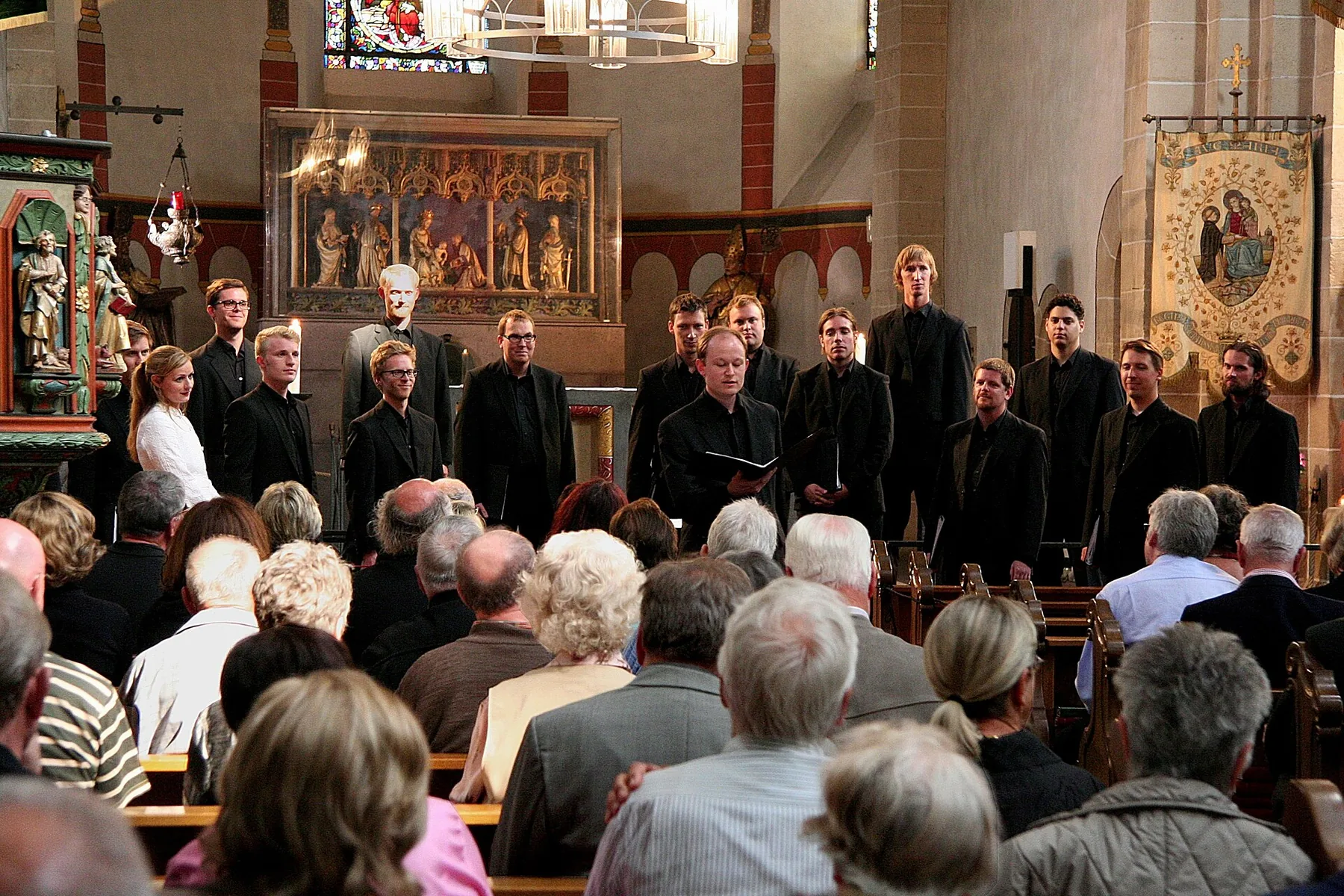
The group effect for daring to use your voice
The group creates a reassuring framework. Singers support each other, motivation increases and the conductor corrects in real time. This dynamic speeds up confidence and ease.
Physical and psychological benefits
Collective work strengthens abdominal breathing and posture. You gain energy and find a healthy outlet that reduces stress.
No level required: an inclusive setting
Most ensembles do not require prerequisites. Listening, motivation and enthusiasm come first. Guided run-throughs make it possible to improve technique and vocal technique step by step.
- Key figures: more than 10,000 choirs and 2.6 million choir singers in France, proof of a widespread and accessible practice.
- Guided practice: structured rehearsals, clear goals and collective feedback.
- Voice care: warm-up, hydration and rest for lasting vocal health.
To discover suitable lessons, see the singing lessons for beginners, which complement collective practice well.
Choir for Beginners: How to Get Started with Confidence
Finding a suitable group depends on balancing repertoire, pace and working atmosphere.
Choosing the right vocal ensemble: repertoire, level, atmosphere and availability
Define your criteria: style (classical, pop, gospel), level of expectation and times that fit your lessons or commitments.
Find out about the recruitment process. When there is an audition, it mainly assesses motivation. Ask the teacher or choir conductor questions about the planned progression.
Making a success of your first rehearsal: placement, listening and instructions
Arrive warmed up. Ask which section you should sing in, watch the entries and follow the conductor’s gestures.
Listen actively: adjust your note to your neighbors’, moderate your volume so you blend into the group and write down useful corrections.
- Stay hydrated and avoid straining your voice.
- Review between two lessons using the recordings provided.
- After 2 to 3 sessions, confirm whether the vocal ensemble matches your goals.
| Criterion | What to check | Impact |
|---|---|---|
| Repertoire | Varied styles and personal preference | Motivation and enjoyment |
| Recruitment | Audition or informal test | Access and expectations |
| Organization | Rehearsals, concerts, resources | Progress |
To explore the value of joining a vocal group in more depth, read our dedicated article on the benefits of joining a choir.
The technical basics to master from the start: breathing, posture and warm-up to protect your voice
Mastering a few technical habits protects the voice and makes progress easier from the very first rehearsals.

Diaphragmatic breathing
Breathing begins with the lower ribs and belly expanding. Inhale without raising your shoulders.
A steady breath supports the line and improves pitch accuracy without pushing. Practice 4 to 6 slow cycles before singing.
Posture and grounding
Place your feet hip-width apart, keep your knees flexible and your pelvis neutral. Keep the spine long and the neck free.
Good posture frees the breath and projection. It prevents tension in the throat and protects the voice.
Smart vocal warm-up
Start low and gently, then move upward gradually. Keep the warm-up to 10 or 15 minutes depending on how you feel that day.
Exercise examples: gentle sirens, lip trills, vibrating consonants and progressive breath-phonation cycles.
Taking care of the vocal cords means hydration, rest and vocal breaks. Avoid shouting and protect yourself from dry air.
| Goal | Simple action | Frequency |
|---|---|---|
| Steady breathing | Diaphragmatic exercises, 4 to 6 cycles | Before every lesson or rehearsal |
| Posture | Check grounding and a long spine | At every warm-up |
| Warm-up | Sirens, lip trills, gradual ascent | 10 to 15 minutes, regularly |
| Vocal care | Hydration, breaks, sensation journal | Daily |
Tip: it is better to work a little and often than to do long occasional sessions. If pain or persistent fatigue occurs, stop and consult a professional.
Progressing without getting lost in the choir: harmonies, range and vocal identity
Collective practice helps you understand harmonic functions while keeping your vocal individuality. Learning to listen to the root, the third and the fifth stabilizes the ensemble’s pitch accuracy.

Understanding and singing harmonies
A simple harmony is often based on three notes: root, third (4 semitones in major, 3 in minor) and fifth (7 semitones). For example, F = F (root), A (third), C (fifth).
Finding your range
Identify your comfortable zone and ask to change section if high or low notes tire your voice. Adapt the note when necessary to preserve your vocal instrument.
Individual exercises and lessons
Complement rehearsals with 10 to 15 minutes of daily technical exercises. A few sessions with a teacher speed up progress on mixed voice and vowels.
- Work with an instrument (piano or guitar) to identify intervals.
- Record yourself alone, then with the ensemble, to check stability.
- Prioritize consistency: small, frequent practice sessions produce better results.
Goal: keep a singer’s identity that serves the group and helps you gain self-confidence at every rehearsal.
Where to join a choir near you in France: useful platforms and networks
Finding a choir that suits you starts with a targeted search and a few practical checks.

Chorales.info
Chorales.info organizes ensembles by department. You can read choir singers’ reviews and check the groups’ websites.
Tip: add your choir if you are a teacher.
Missions Voix – Cité de la Musique
Missions Voix, through the Cité de la Musique – Philharmonie de Paris, offers reliable listings. You can find levels, repertoires, locations and schedules there so you can join a choir with full knowledge of the facts.
La Corde Vocale
La Corde Vocale offers an interactive map with filters by style, type of choir and town. More than 700 choirs are listed there, with announcements and a concert calendar.
“Seeing a group on stage helps you assess the sound, level and atmosphere.”
- 3-step approach: online preselection, contact with the teacher or conductor, trial session.
- Check the location, access, budget and lesson schedule before committing.
- Broaden your search to conservatories, community centers and local networks.
| Platform | Strengths | Recommended use |
|---|---|---|
| Chorales.info | Organization by department, reviews | Local search, direct contact |
| Cité de la Musique | Reliable listings, levels | Choice according to repertoire and schedules |
| La Corde Vocale | Interactive map, announcements | Filter by style and concert dates |
Benefits: time saved, centralized information and a wide range of choices. If needed, take occasional individual lessons to strengthen your foundations and make joining the group easier.
Conclusion
Joining a vocal ensemble offers a concrete framework for learning to sing and quickly gaining confidence. Collective work helps pitch accuracy, breathing and posture while making the effort more motivating.
Protect your vocal cords: warm up, adopt stable posture and follow points of reference for vocal technique. These simple habits support vocal health and make note accuracy easier.
This article gives you practical advice: choose a group, prepare for the first rehearsal, do 2 to 3 short personal routines per week and, if needed, take lessons. For targeted support, discover the link to vocal coaching, which complements collective practice and vocal learning well.