
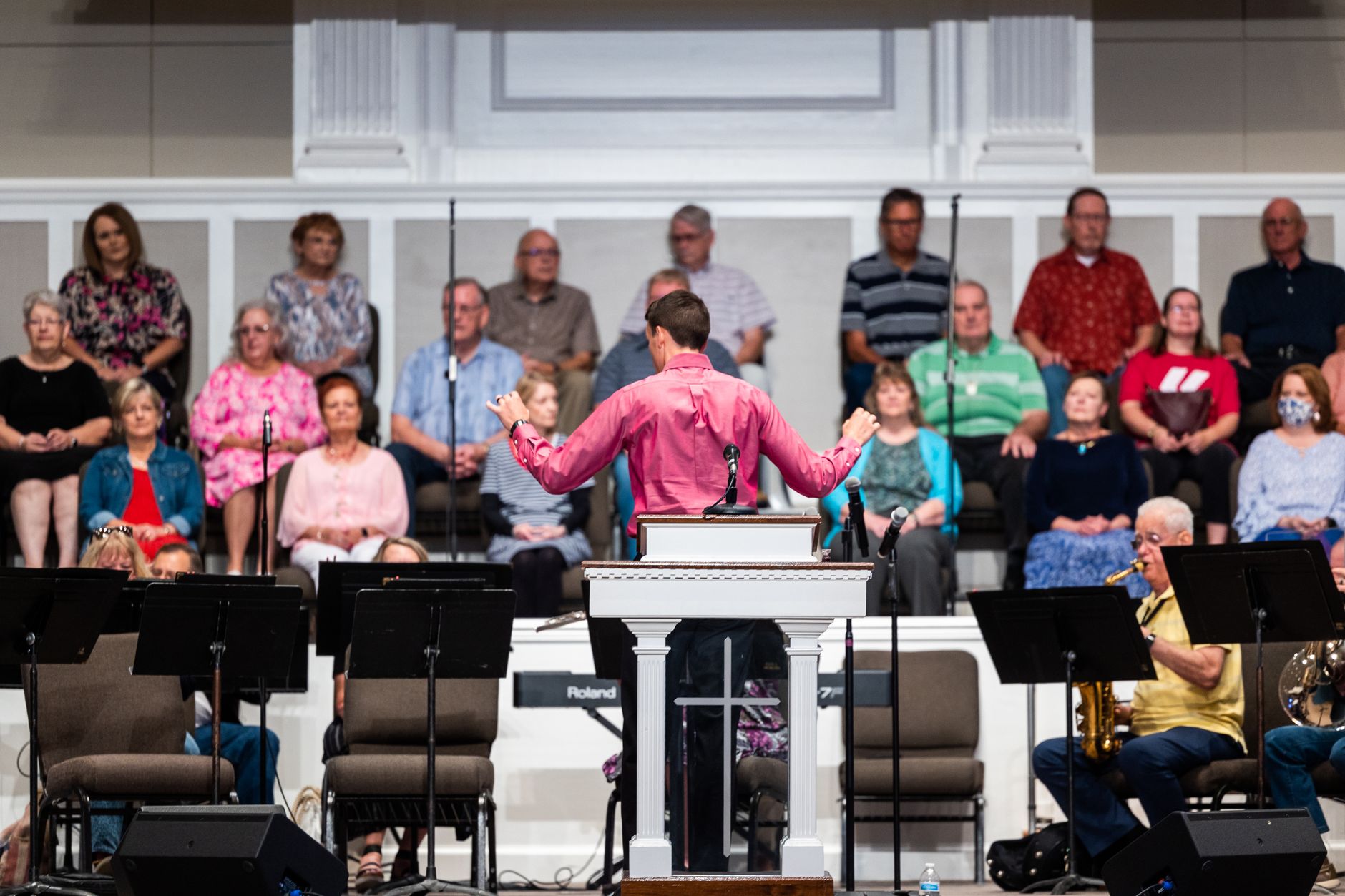
Purpose of this article: to show how to organize an effective choir session at home. You will find simple methods, digital resources, and practical advice to build group cohesion and improve musical quality.
Why practice at home? Arriving prepared means shared time can be devoted to blending and musicality. A typical annual program combines vocal warm-ups, learning songs, and staging.
Turn your living room into a temporary rehearsal space: quiet, comfort, and scores ready to use. Use centralized lyrics and recordings so everyone rehearses the same version.
Concrete benefits: better pitch accuracy, clear diction, controlled rhythm, and measurable progress. Remember to warm up your voice and body before each exercise to prevent fatigue and tension.
Each singer prepares their parts. Recording an excerpt on a smartphone and noting objectives helps make progress more objective. Keep a supportive atmosphere to optimize group learning.
Understanding the purpose of your rehearsal at home
A clear start saves time and protects everyone’s concentration.
Clarifying the objective before the exercise helps the whole group work usefully. Define whether the session is aimed at pitch accuracy, diction, or memorization, then share the list of selected pieces.
The choir director takes three minutes for a briefing: order of pieces, timing, technical points, and validation criteria. Being punctual reduces tension and protects the time set aside for singing.
Adopt simple rules to preserve the pace of work: one person speaks, note-taking stays quick, and discussions are postponed until the end of the block. Encourage factual feedback on rhythm, pitch, and pronunciation.
| Action | Duration | Expected result |
|---|---|---|
| Initial briefing | 3 min | Shared objective |
| Individual work | 10-15 min | Parts mastered |
| Group block | 20-30 min | Group coherence |
| Mini debrief | 5 min | Plan for the next session |
Choir Rehearsal at Home: Tools and Tips
A centralized folder changes the way the group prepares its songs.
Online space and resources
Centralize lyrics, recordings, and scores in a shared folder. Each singer can find the same version and save time before the group session.

List of pieces and working order
Build a prioritized list of pieces. Start with the most demanding passage, then finish with an accessible song.
Vocal and physical warm-up
Include an 8- to 12-minute vocal warm-up: breath, posture, neck release, and articulation. These exercises protect the voice and improve technique.
Sound balance and recordings
Place the speakers facing the singers, raised, about two meters away. Adjust the level to avoid cacophony.
Record each block with a smartphone. Critical listening quickly reveals areas for improvement in ear training and pitch accuracy.
Practical setup
Prepare the music stand, score, timer, and water. Appoint a session leader to keep track of timing and note the points to revisit.
| Resource | Recommended duration | Benefit |
|---|---|---|
| Warm-up | 8–12 min | Voice protection, better posture |
| Targeted loop practice | 10–20 min | Improved ear training and pitch accuracy |
| Recording | Each block | Critical listening and tracking |
| Staging | 5–10 min | Stage presence and coherence |
Step-by-step method for an effective session at home
Start each session with a short ritual that gets the body and voice moving. This framework helps optimize vocal work and choir cohesion from the outset.
Start of the session: warming up the vocal cords and engaging the body
Start: gentle stretches, posture alignment, and breath activation.
Move on to sirens, lip trills, and sustained vowels to prepare the vocal cords and protect the voice.
Work by section or voice: ear, pitch accuracy, coherence
Separate sopranos, altos, tenors, and basses. Work on intervals, intonation, and entries.
Short loops of 2 to 4 minutes, followed by reintegration into the musical phrase, strengthen progress.
Targeted technical approach
Focus on diction, vocal placement, and diaphragmatic breathing.
Simple articulation exercises improve clarity of singing for everyone, including beginners.
“Staging” segment and balance between individual and group time
Add short choreographies, gaze intentions, and limited movements to work on stage presence.
Finish with individual time: silent review, then a group reprise. Record an excerpt to measure whether the objective has been reached and to track progress.
To complete your organization, consult this rehearsal program.
Conclusion
In the end, individual preparation and a short briefing optimize every working moment.
Remember the essentials: prepare your part, share a common list of pieces, and record each block to get objective feedback.
An attentive choir director, careful sound balance, and an online space support group learning. These measures free the voice and strengthen collective singing.
Progress and enjoyment go hand in hand: alternate individual work and collective blending. Set two objectives for the next session, involve everyone, and prepare the stage for performances.
This article aims to offer a simple approach so the choir, the chorus, and the singers can reach their potential.