Ambition: this guide offers an updated and pragmatic repertoire designed for a choir in France. It aims for immediately usable choices and a clear vision of the season.
Target audience: choir directors, association leaders, facilitators, accompanist pianists and singers wishing to build a lasting, coherent repertoire.
We prioritize stylistic diversity, musical accessibility and educational progression. The goal is to combine the pleasure of singing with musical standards.
The structure presented covers selection criteria, program ideas, workshops and seasonal thematic overviews, such as Christmas or French chanson.
Added value: proposals tested in real situations, points to watch regarding voices, and attention paid both to concert dramaturgy and to welcoming the audience.
How to use this: a service directory points you toward choices of works, arrangements and workshops to enrich your programming quickly.
We conclude with criteria, ideas, resources and concrete examples to help your ensemble evolve.
Understanding the intention and criteria of a good adult choral repertoire in France
Choosing a musical program begins with defining a clear intention. It must tell a story, engage the audience and showcase the voices without exceeding what the sections can handle.
Technical criteria and adaptation
Comfortable vocal ranges, a balance between polyphonic singing and homophonic pieces, and the presence of a relevant piano accompaniment are essential.
Plan simplification options, transpositions and doubling to strengthen intonation. Adapt the lines according to the group’s experience and the size of the SATB sections.
The role of conductors and progression
Conductors must define the duration, language, rhythmic difficulties, access to scores and rehearsal logistics.
Plan the season by starting with foundation pieces, then introduce measured challenges with validation milestones and practice recordings.
Practical assessment
Finish with a simple grid: text readability, musical interest, suitability for the choir, stage feasibility and artistic satisfaction.
Adult Choir Repertoire: Ideas That Work
Building an effective concert relies on a simple, coherent dramatic arc.
Quick ideas for starting a balanced program
Offer a three-part arc: an energetic opening, a program core combining songs and an accessible polyphonic piece, then a unifying finale.
Select 6 to 10 pieces, alternating French songs, short polyphonic pieces and numbers with piano. Include one or two “breather” songs to let the program breathe.
Adapting songs to the vocal group
Check vocal ranges and numbers before choosing. Reduce divisions if needed and add doubling on the main lines.
Adjust the place of each voice according to the ensemble size and offer a simplified score as plan B.
Maximizing engagement
Choose meaningful texts: universal themes, memorable refrains and clear articulation points.
Involve the singers in the choices through a quick poll and build on local successes.
| Section | Target duration | Type | Tip |
|---|---|---|---|
| Opening | 5–8 min | Energetic, with piano | Clear piano introduction |
| Core | 25–35 min | Songs + polyphony | Alternate languages and textures |
| Finale | 5–10 min | Unifying | Simple refrain to reprise |
To enrich your selection, consult a song repertoire suited to current practices and the group’s needs.
Where to Enrich Your Repertoire: Courses and Workshops in France
Taking part in a workshop helps speed up the vocal group’s progress and multiply artistic encounters.
Sept jours sur Sète took place from July 12 to 19, 2025 at Domaine du Lazaret. This stay brought together around 300 adults for a polyphonic immersion. Rehearsals by the Mediterranean and a choral workshop on the beach strengthened collective listening.
Bande Organisée took place from August 4 to 10, 2025 in Joigny, in the Yonne department. The workshops were open to everyone, with no practice requirement. The aim was to unite the group and encourage the creation of shared artistic material.
LALAFAB ! Les ateliers d’été (August 23-28, 2024) offer useful feedback. They feed into working methods and provide ideas for stage entrances to bring back to the choir.
Choosing the right venue influences acoustics, accommodation and the rhythm of the sessions. Optimize time on site: alternate targeted workshops, tutti rehearsals, listening sessions and convivial moments to strengthen the vocal group’s spirit.
- Bring back concrete gains: warm-ups, tested repertoire, an address book of artists.
- Establish an annual ritual: the summer course as a pivot for the choir’s progress.
Christmas Songs from Europe and America: An Overview for Your Choir
Christmas songs offer a window onto the world’s vocal traditions. This overview helps build a program that is both travel-inspired and accessible.
Francophone and Germanic Europe
Start with French and German pieces, carols and kolędy. Alternate homophonic pieces with moments of polyphonic singing to vary the textures.
Anglo-Saxon and Latin worlds
Include unifying Christmas carols and rhythmic villancicos. Plan simple refrains so the voices quickly gain confidence.
Slavic palette
Explore the Slavic tradition: long lines, rich harmonies and a cappella songs. These works strengthen the choir’s presence while bringing new colors.
North America and Latin America
Finish with a bright finale: gospel, Christmas standards and Latin pieces for variety. The juxtaposition highlights the diversity and musical history of Christmas.
“A concert that travels tells a story and invites the audience in.”
Practical: select an Anglo-Saxon carol, a three-part kolęda, a villancico and a Slavic piece. Document each piece (country, language, duration, difficulty) and keep arrangements flexible.
Accessible Works and Arrangements for Adults: From Piano-Vocal Score to Choir
Good piano accompaniment stabilizes ensemble work. It helps the voices enter accurately and makes nuance work easier.
Gentle entry point: Valse des fleurs (arr. Cyrille Lehn) offers a sung line supported by rich piano writing. It is ideal for balancing breath and ensemble.
Narrative and theatricality
Tchaikovsky’s Symphony No. 5, in Jacques Serres’s adaptation, transforms the orchestra into choral narration. The lyrics tell Cinderella’s story and work on diction as well as character.
Mozart and mixed voices
La Chanson de l’oiseleur and À l’aide, à l’aide are suitable for a choir accompanied by piano. The section combinations remain adaptable according to ensemble size.
| Work | Arrangement | Goal | Target duration |
|---|---|---|---|
| Valse des fleurs | C. Lehn (piano-vocal) | Breath balance, melodic line | 4–6 min |
| Symphony No. 5 | J. Serres (lyrics) | Diction, narration | 6–10 min |
| Emperor / New World | Voice/piano arr. | Harmonic listening | 5–8 min |
| Tchouka / Les Rameaux / Le Vieux | Modern arrangements | Colors and articulation | 3–7 min |
Practical advice: pair one text-based piece, one vocalise piece, one homophonic piece and one polyphonic piece. Prepare doubling and piano cues to secure entrances.
French Chanson and Choral Singing: Bringing Culture and Group Spirit to Life
Popular French chanson gives the choir a shared language and immediately shared energy.
Selection and intelligibility. Choose strong texts and simple refrains. Work on the articulation of the lyrics and synchronize breaths so the audience hears every word.
French song repertoire: texts, lyrics and arrangements
Select essentials and recent creations to sustain collective culture. Prepare voice-part mockups and metric cues. Document each title: author, key, duration and level.
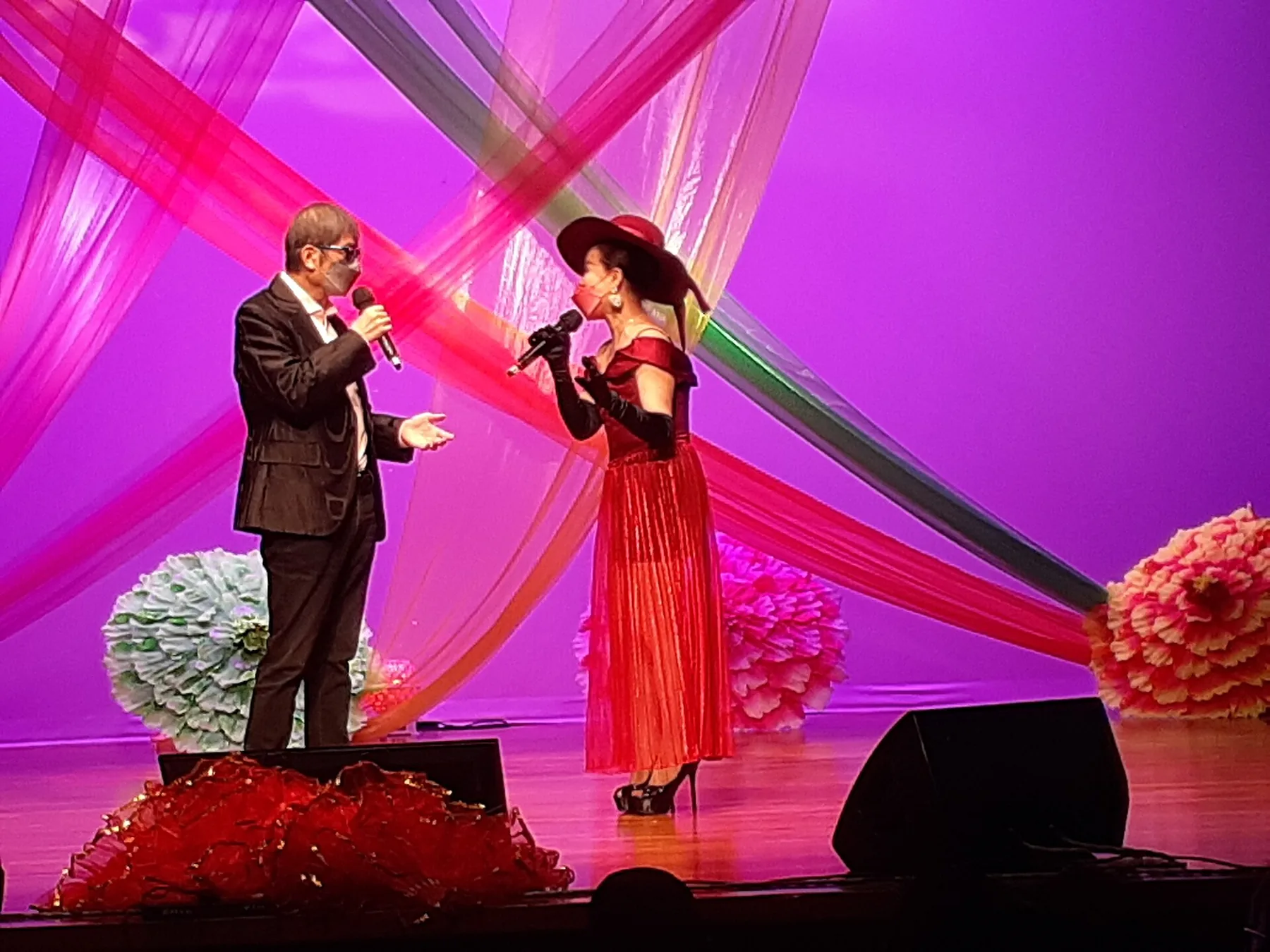
The spirit of “singing together”: creation, preparation and the place of artists
Strengthen the group’s spirit with diction warm-ups, call-and-response and short solos to showcase the artists.
- Include a moment of creation (final verse or canon).
- Dare to use a mashup for a unifying finale.
- Prepare sheets and a staging outline suited to the audience and venue.
Singing together transforms songs into shared memory.
Composing a Program: Periods, Themes and History Serving Diversity
A well-designed program path combines emotions, colors and contrasts. It guides the audience and gives meaning to the musical choices.
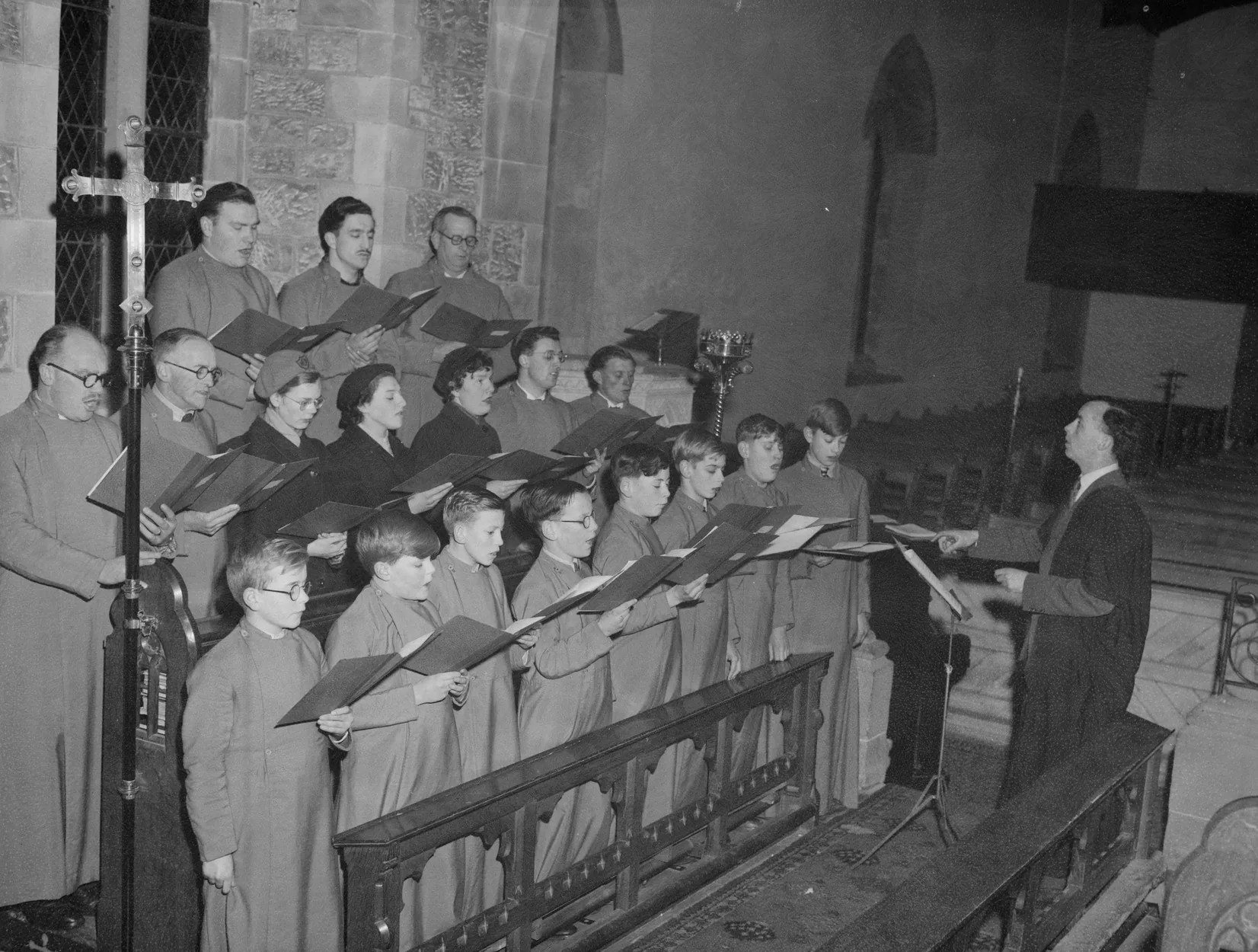
By theme: love, nature, celebrations, the world and places
Choose a clear thematic thread: love, nature, celebrations, the world and places. This grid makes the concert easy to follow and memorable.
Tip: structure 3 to 4 thematic blocks and create musical bridges between them.
By period: from classical to contemporary creation
Alternate older pieces and recent creations to show how vocal forms and colors have evolved.
Plan the order with attention to vocal endurance and variety of formats: short songs, developed pieces and instrumental transitions.
History and composers: giving meaning to the works
Briefly contextualize each work: origin, composer and distinctive writing feature. This enriches the audience’s listening.
- Include a short creation to give the program a signature and stimulate the artists.
- Plan rehearsal cues: milestones by period, diction by language and transition work.
- Anticipate communication with section titles and composer mentions.
To deepen your analysis of the works and their history, consult this analysis of choral works.
A coherent program shows the richness of a group and invites the audience on a true musical journey.
From Score to Stage: Arrangements, Accompaniment and Preparation
The transition from score to stage requires a clear method and shared markers. Start by mapping the score: note the difficulties, select arrangements suited to the level and plan preparation stages.
Polyphony and mixed voices. Work on anchoring unisons, then introduce imitative entries. Plan strategic doubling and control the choir’s dynamic balance with exercises focused on attacks and vowels.
Piano accompaniment. Ask for precise cues, clean up ties and clarify the starting tempo. Mark breaths before each entrance to secure the singing and accompaniment.
Equipping conductors: section recordings, section planning and intonation checkpoints make the work easier. Take care over singers’ placement: arc, diagonals and row rotations improve listening within the vocal group.
Anticipate the stage: entrance and exit diagrams, section management, microphone distances and visual coherence. Establish efficiency rituals (calibrated warm-ups, standardized signals) and frame the dress rehearsal with a full run-through, then a short debrief.
Conclusion
Ending the season with a guiding thread strengthens the group’s musical identity.
Remember the essentials: build an accessible, motivating repertoire, and balance styles, languages and levels. The piano supports intonation and energizes the works.
Plan milestones, listen to feedback and correct the weaknesses identified. Feed the work through courses and exchanges to open the choir to the world.
Consolidate identity with French chanson and a few well-chosen arrangements. Think long term: a reusable core and bridges between seasons.
Act now: choose 2–3 easy pieces, run a rehearsal focused on diction and set a concert goal to maintain momentum.