
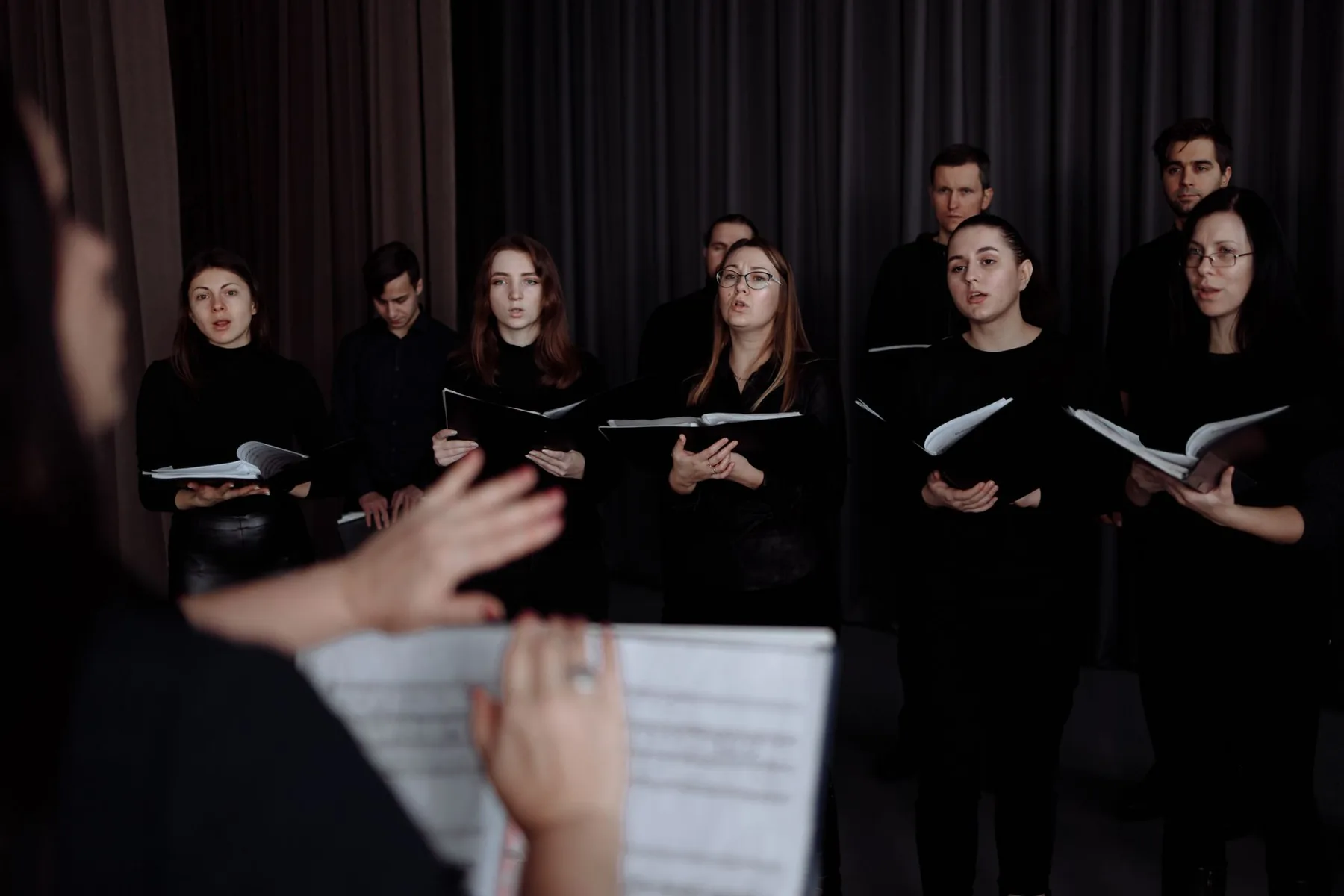
Preparing a concert this year calls for a clear, practical selection. This guide offers a playlist designed to bring the audience together while honoring the spirit of Christmas.
You will find classic songs and lesser-known pieces, suited to every level. The goal is simple: save time and quickly bring new choir members in with sheet music and practice voices available online.
The musical progression alternates solemn moments with festive sections to hold the audience’s attention until the end of the concert. Magic and sharing remain at the heart of the approach.
Practical resources: to explore the selection further and find historic and contemporary sheet music, see this useful recommendation dedicated to the repertoire for Advent and Christmas.
Why a Well-Planned Christmas Repertoire Makes All the Difference This Year
This year, thoughtful programming turns an end-of-year concert into a memorable moment. A strategic selection blends familiar pieces and discoveries to maximize audience engagement and the choir’s confidence.
Thinking of the program as a living playlist makes it possible to alternate energy and calm. It protects the voices and creates a real sense of drama. It also helps prepare a participatory finale where singing together becomes a shared celebration.
Practical points:
- Voice balance: unison or 2 to 4 parts to bring new members in quickly and limit fatigue.
- Key and duration: choose keys suited to the acoustics to make projection and clarity easier.
- Voice-by-voice resources: sheet music and practice voices speed up independence from the first rehearsal (VOX CHORI).
| Goal | Benefit | Example |
|---|---|---|
| Selection | Audience engagement | Mix classics and discoveries |
| Progression | Energy management | Alternate solemn and festive moments |
| Teaching resources | Quick integration | Isolated voices and practice tracks |
Planning ahead reduces stage stress and leaves more room for expression. The result is a strong artistic impression, accessible and full of joy.
French Classics to Sing in Choir for the End-of-Year Holidays
Popular French melodies create an immediate bond between generations during end-of-year concerts. They combine gentleness and energy, and make it easier to integrate new singers.
Petit Papa Noël (Tino Rossi) — a gentle, familiar opening. The melody is memorable, the range comfortable, and the text clear. It is ideal for reaching every family and every child from the very first measures.
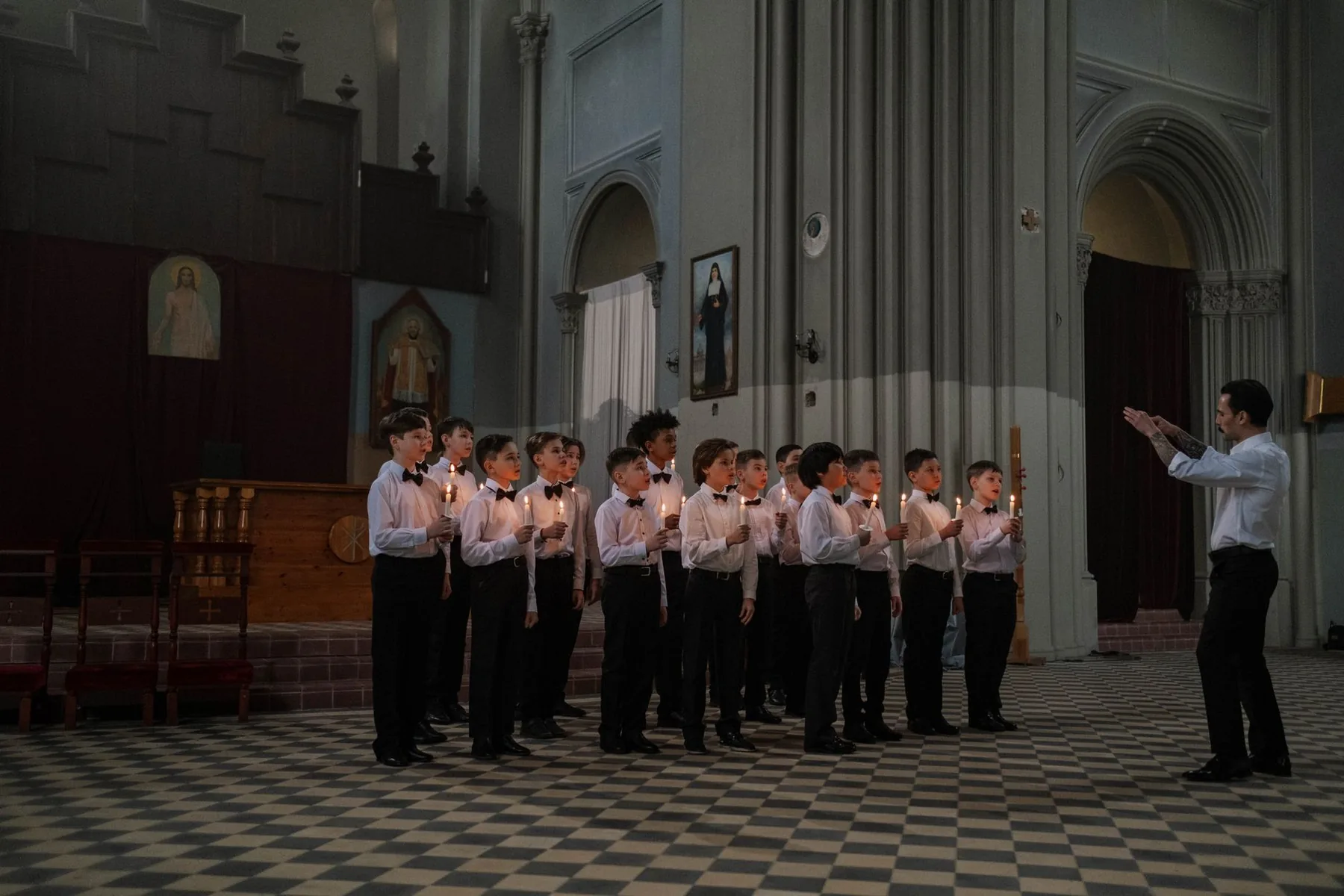
Vive le vent — festive energy
Vive le vent brings momentum. The lively tempo and unifying chorus invite the audience to join in. It is a song that brings the winter wind into the room.
Mon beau sapin — unison and simplicity
Mon beau sapin offers a simple melodic line, perfect in unison. It helps unify the group’s tone and establish a shared legato.
Il est né le divin enfant — tradition embraced
Il est né le divin enfant makes it possible to explore contrasts and countermelodies. Its emblematic text anchors the sacred spirit of the program for Christians.
Douce nuit and Minuit, chrétiens — nuance and climax
Douce nuit in a choral version encourages blended sections and subtle half-shades.
Minuit, chrétiens works as a solemn high point: soloist in front, choir in support for added majesty.
“Alternating intimacy and celebration helps hold attention and tell a coherent musical story.”
| Title | Strength | Use |
|---|---|---|
| Petit Papa Noël | Accessible melody | Emotional opening |
| Vive le vent | Unifying chorus | Audience participation |
| Mon beau sapin | Unison | Unify the tone |
Anglo-Saxon and German Colors to Enrich Your Christmas Playlist
English-language and German standards bring new textures to any festive playlist. They allow you to vary language, rhythm, and atmosphere without breaking the winter thread.
We Wish You a Merry Christmas — a warm, participatory finale
We Wish You a Merry Christmas, in John Denver’s version, works very well as a finale. Its simple structure invites the audience to sing. Place it last to close with joy.
Rudolph the Red-Nosed Reindeer — playful storytelling
Rudolph (created in 1939, popularized in 1949) tells a perfect story for involving children and soloists. Give short lines to a small group to enliven the stage.
Run Rudolph Run & Sleigh Ride — drive and sixties colors
Run Rudolph Run adds a rock & roll touch. It wakes up the audience with a lively tempo.
Also introduce Sleigh Ride (The Ronettes, 1963) for its sixties rhythm and the chorus “Ring-a-ling-a-ling Ding-dong-ding,” which evokes sleigh bells.
- Vary the versions: a cappella, percussion, instrumental backing track.
- Work on sung English: clear vowels and crisp consonants.
- Keep the winter connection: wind, snow, and gliding between the titles.
| Title | Strength | Stage use |
|---|---|---|
| We Wish You (John Denver) | Participatory finale | Closing, audience standing |
| Rudolph the Red-Nosed Reindeer | Playful storytelling | Soloists/children’s ensemble |
| Run Rudolph Run | Rock energy | Mid-program lift |
| Sleigh Ride (The Ronettes) | Sixties color | Diversify the sound textures |
Christmas Repertoire for Choir: Essential Songs
Opening a program with historic pieces immediately gives the concert a sound identity.
Personent hodie — a medieval echo to open the program
Personent hodie in monody (1 voice) establishes an archaic resonance. The syllabic line supports textual clarity and captures attention.
Noël Nouvelet — a 15th-century carol in 4 parts
Noël Nouvelet broadens the harmonic palette. The gentle counterpoint and dialogues between sections help preserve the choir’s intonation stability.
Hymne à la nuit (after Rameau)
This contemplative version offers broad phrasing and sustained held notes. It is a moment of grace that recenters listening.
Adventi ének (Kodály) — a 3-part song
Warm modality and 3-part layering: the writing remains rich without excessive complexity. It is ideal for working on color and tuning.
Noël jazz — an accessible canon for young choir members
Noël jazz brings swing and lightness. The simple canon makes it easier for children to engage and offers a joyful break before the finale.
- Voice setup and working versions: use the VOX CHORI practice voices to speed up learning.
- Keep durations short and contrasting, in minutes, to maintain attention at the end of the year.
- Refine articulation and vowels to serve the spirit of Christmas and the cohesion of the choir.
“This selection forms a reliable core around which to add the best Christmas songs and popular classics.”
| Work | Voices | Use |
|---|---|---|
| Personent hodie | 1 | Opening — atmosphere |
| Noël Nouvelet | 4 | Harmonic construction |
| Adventi ének | 3 | European color |
Hidden Gems and Stories: When the Magic of Song Brings Generations Together
Some pieces carry a story capable of uniting several generations in the same emotion. The case of the famous “Austrian Christmas carol” illustrates this strength well.
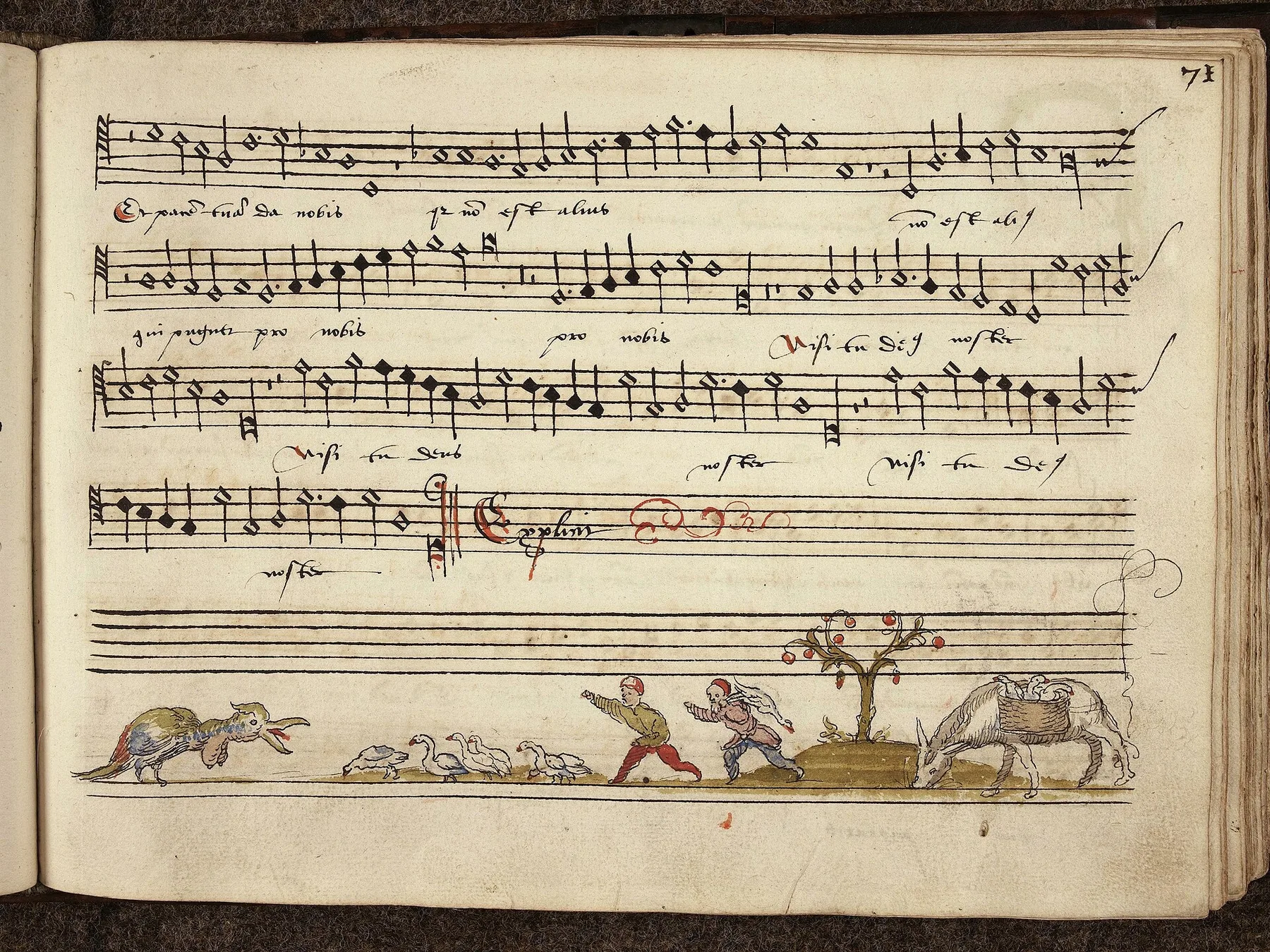
Austrian Christmas carol — “Ding, dong, dong…” ostinato and catchy chorus
The theme begins with a male ostinato: “Ding, dong, dong…”. Four lively verses follow, with a countermelody rising to F for the mezzo-soprano.
The grace of a choir on stage — emotion beyond small imperfections
A recording of the Le Havre choir shows a wrong note at the tenors’ entrance. Yet the grace of the moment remains intact.
This authenticity humanizes the performance and strengthens the bond with the audience.
Singing as a family, from ages 2 to 71 — passing on spirit and joy
Learning this song as a family, from age 2 to 71 years old, then presenting it in a parish illustrates living transmission.
Here are a few practical guidelines:
- Men’s sections: ostinato; women’s sections: melody and countermelody.
- Refine the diction of the onomatopoeia so the magic of the bells carries far.
- Invite the children into the finale to restate the chorus with the congregation.
“A small imperfection on stage can heighten the emotion and create lasting memories.”
Singing in Choir with Children: Versions, Voices, and Choruses That Stick
Involving the youngest singers turns a concert into a lived moment rather than a simple performance. To succeed, adapt keys, durations, and teaching materials.

Adapt keys and durations to younger children’s attention spans
Favor the middle vocal range to preserve children’s vocal comfort. Limit each piece to a few minutes to maintain attention.
Key choruses for the assembly: “Vive le vent,” “We Wish You a Merry Christmas”
Choose repetitive, well-known choruses to create the desire to participate. These choruses act as a connecting thread and encourage the family to sing.
Gestures, sleigh bells, and small percussion to nurture joy
Introduce simple gestures and sleigh bells to channel energy without blurring the music. An adult-child pair in the front row reassures the youngest singers.
- Simple version, light accompaniment, and clear melodic lines.
- Work in short fragments with voice-by-voice recordings for quick progress.
- Use an accessible canon (Noël jazz) to develop collective listening.
“Ending the children’s sequence with a shared chorus creates a lasting memory.”
| Goal | Action | Result |
|---|---|---|
| Vocal comfort | Middle key | Voices preserved |
| Attention | Short durations in minutes | Participation maintained |
| Motivation | Repetitive choruses | Children and audience involved |
Bring New Choir Members In Now: Sheet Music, Practice Voices, and Tips
Making it easier for new sections to join requires practical tools and a measured progression.

A selection of simple pieces to start with
Start with a selection of works in unison or two parts. These choices establish listening and tuning without making entrances more complex.
- Favor short songs, verse/chorus format, to make early steps secure.
- Then add a third voice once the collective tuning is stable.
- Choose a luminous title as an anchor point in the concert’s Christmas playlist.
Resources and voice-by-voice tracks
VOX CHORI provides sheet music and “practice voice” tracks (Personent hodie 1 voice; Noël Nouvelet 4 voices; Adventi ének 3 voices; Noël jazz as a canon). These materials allow asynchronous learning.
- 3-week plan: reading, memorization, polishing.
- Audio and video tutorials for review between rehearsals.
- Diction markers early in the process to gain projection.
“Clear tools speed up integration and strengthen cohesion from the first year.”
Build Your Setlist: Order, Contrasts, and the Spirit of Christmas
A well-planned setlist combines surprises and familiar landmarks for the audience. Start with an identity marker, such as Personent hodie, then move into a French classic like Mon beau sapin to establish the choir’s color.
Then alternate a rhythmic Anglo-Saxon piece (for example Sleigh Ride) with a contemplative page (Hymne à la nuit) to play with contrasts. Place a solemn high point mid-program, such as Minuit, chrétiens, before a family-oriented and participatory sequence.
Distribute the keys to preserve vocal freshness and insert an accessible contemporary piece (Noël jazz) to renew the listening experience. Plan short transitions and understated announcements to preserve the concert’s breathing space.
- Program a participatory finale: We Wish You a Merry Christmas, then, as an encore, a familiar chorus (Vive le vent).
- Use simple stage markers and rehearse the setlist in real conditions (acoustics, tempi, balance).
- Publish the setlist in the printed program to guide listening and highlight the group’s work.
“A clear order turns a collection of pieces into a musical narrative; coherence brings the end-of-year spirit to life.”
| Step | Goal | Example |
|---|---|---|
| Opening | Identity | Personent hodie → Mon beau sapin |
| Contrast | Energy vs. contemplation | Sleigh Ride → Hymne à la nuit |
| Finale | Participation | We Wish You + Vive le vent |
Conclusion
Closing a concert means choosing titles that speak to the heart, memory, and voice.
A foundation of classics — Petit Papa Noël (Tino Rossi), Mon beau sapin, Il est né le divin enfant, Douce nuit, and Vive le vent — crossed with Anglo-Saxon colors and heritage pieces creates a lively progression.
Favor a participatory finale around the symbolic Santa Claus and a familiar chorus (We Wish You a Merry Christmas). Give the audience a small insert with the story or lyrics of a song to strengthen engagement without extending the program’s duration, in minutes.
The real magic lies in well-sung simplicity: shared breaths, clear diction, collective tuning, and a polished version. Of course, thank the soloists, musicians, and team: the choir shines when everyone is honored. This program remains a gift for the family and generations, and makes people want to return next year.