

Choosing the right musical ensemble sets the tone for your union. Book several months in advance, especially in summer and during the holidays, to guarantee availability and allow careful artistic preparation.
Rates vary depending on the size of the group, the duration and travel. Most ensembles agree to learn a requested piece if you let them know early.
Plan for 1 to 2 hours of performance, sometimes in sets, and check the technical requirements, such as microphones and sound reinforcement. Also think about outdoor performances and a plan B in case of weather.
Specify your musical vision: a discreet duo, a small ensemble or a stronger gospel touch, while respecting the prayerful atmosphere for the guests. Watch videos and read reviews to assess the quality and compatibility with the church.
Finally, ask for a clear quote, pay a deposit and confirm the booking to avoid unexpected issues on the day of the ceremony.
Give Your Ceremony a Voice: a Musical Performance That Elevates Your Union
Giving voice means allowing every moment of the celebration to breathe. Professional collectives perform as duos or trios (voice, guitar, keyboard, percussion) with suitable sound equipment and on-site adjustments. Their role is not to put on a concert, but to guide the congregation.
Choose singers and musicians who know how to inhabit a sacred space. They should offer a balanced repertoire of praise, gentle gospel and familiar hymns to encourage the participation of the guests.
Professional singers and musicians for authentic emotion
Choose teams that can adjust keys and dynamics according to the acoustics. Ask for video excerpts in real conditions, such as a recent montage, to evaluate the accuracy and cohesion of the group.
A Mass accompaniment, not a concert: encouraging participation
The performance should invite everyone to sing and pray with the bride and groom. A measured presence ensures that emotion remains central, without overwhelming the space or diverting attention.
“The right balance between gospel intensity and reverence turns an ordinary ceremony into a memorable moment.”
| Ensemble | Strength | Suitable for |
|---|---|---|
| Voice-guitar duo | Intimacy, clarity of the lyrics | Small ceremonies, close guests |
| Voice-keyboard-percussion trio | Tonal balance, measured dynamics | Medium-sized ceremonies, guided participation |
| Gospel group (4-6) | Vocal power, collective warmth | Large congregations, moments of praise |
- Check the sound equipment supplied by the group.
- Ask for live videos to judge adaptability.
- Choose a repertoire that brings the whole congregation together, including families.
Finding a Choir for a Church Wedding: How to Make the Right Choice Quickly
Save time by targeting the style first, then checking recent videos. Listen to performances filmed during ceremonies to judge vocal consistency, the cohesion of the group and the handling of silences.
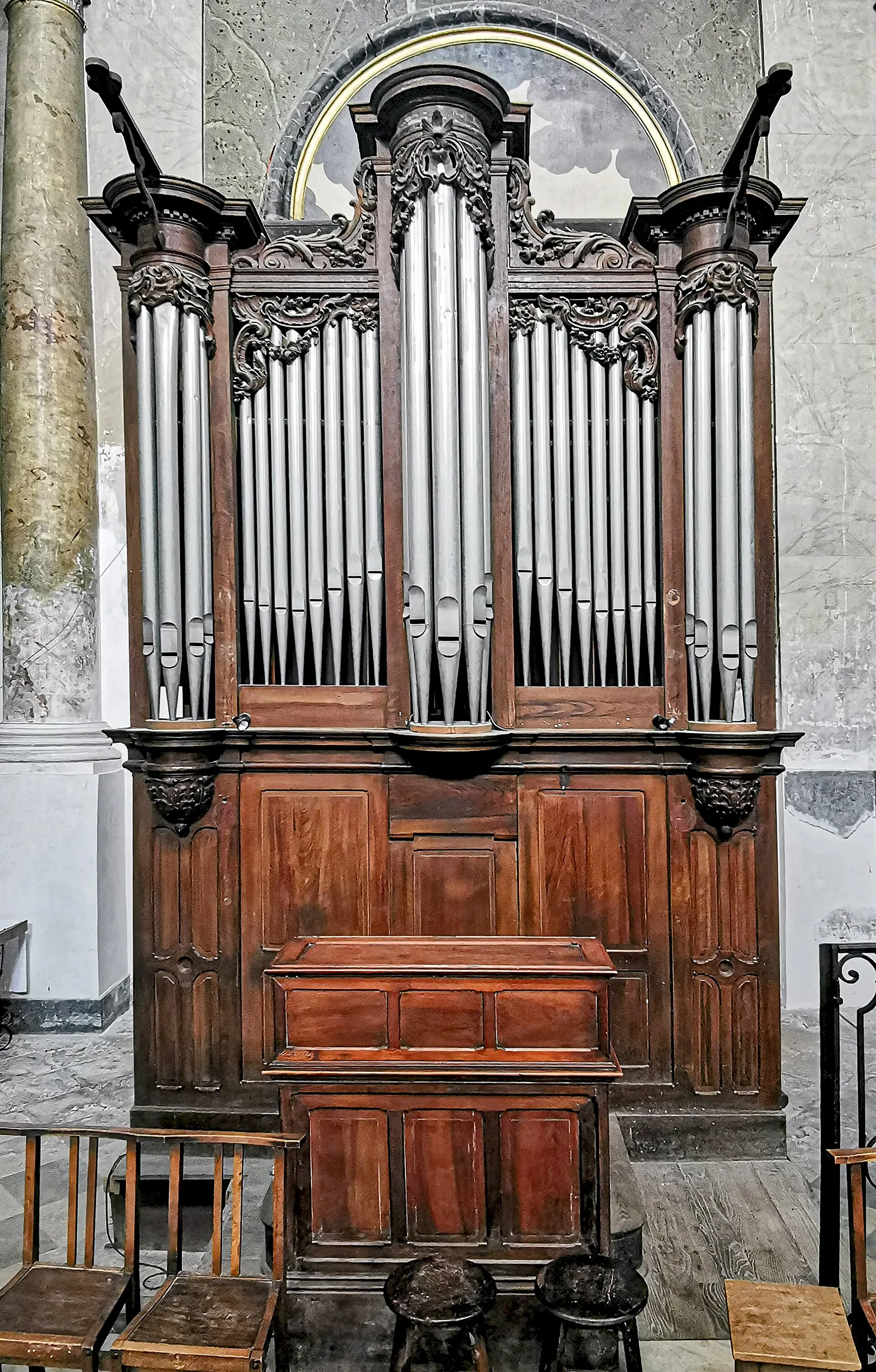
Define your style
Clarify the stylistic choice: bright gospel, understated liturgy, intimate a cappella, pop worship or classical. Select a repertoire that brings people together and plan a few songs that are easy to join in with.
Recent videos and concerts
Analyze live videos and concerts in reverberant venues. They reveal the quality of vocal projection, rhythmic precision and control of the acoustics.
- Use platforms to filter by location, compare profiles and send quote requests.
- Anticipate the busy periods of the year (summer, holidays) and book early.
- Check the group’s flexibility on keys, duration and learning a specific hymn or song.
| Criterion | What it reveals | Recommended action |
|---|---|---|
| Live videos | Vocal consistency and presence | Ask for at least 2 recent excerpts |
| Repertoire | Compatibility with your tastes | Approve 3 songs before signing |
| Availability | Pace of the year | Hold the date as soon as you agree |
| Technical setup | Sound quality in the church | Confirm the equipment and references |
Repertoire and Key Moments of the Wedding Mass
Every musical intervention should serve the emotion and meaning of the ritual.
Build a repertoire that tells your story. Favor meaningful songs rather than imposed classics. This guarantees a ceremony that feels like you.
Choosing songs that speak to you
Define 6 to 8 pieces suited to the different moments. Test the keys with the group to avoid surprises.
Essential performance moments
- Entrance of the bride and groom: opening piece with clear piano and voices.
- After the reading and homily: understated hymns to support prayer.
- Exchange of rings and signing: measured intensity, smaller group.
- Collection and exit: bright songs, sometimes tinged with gospel, and a rhythmic exit (a cappella possible).
| Moment | Type of song | Recommended ensemble | Goal |
|---|---|---|---|
| Entrance | Welcome song | Piano-voice duo | Set the atmosphere |
| After homily | Reflective hymn | Voice-keyboard trio | Support attentive listening |
| Rings | Emotional song | Small vocal group | Deepen the moment |
| Exit | Festive song | Gospel group or a cappella | Close with joy |
Practical tip: have the officiant review the selection and coordinate the length of each intervention to avoid a concert effect.
To find a suitable gospel group, browse a catalog of gospel groups.
Styles, Ensembles and Instruments for Your Ceremony
The musicians’ format directly influences the intensity and clarity of the moment.
Gospel choir: the power of voices, piano and group energy
The gospel choir brings a strong, warm vocal imprint. The piano supports the harmonies and gives the choruses structure.
This format suits large congregations and ceremonies where you want to share a collective emotion without turning it into a concert.
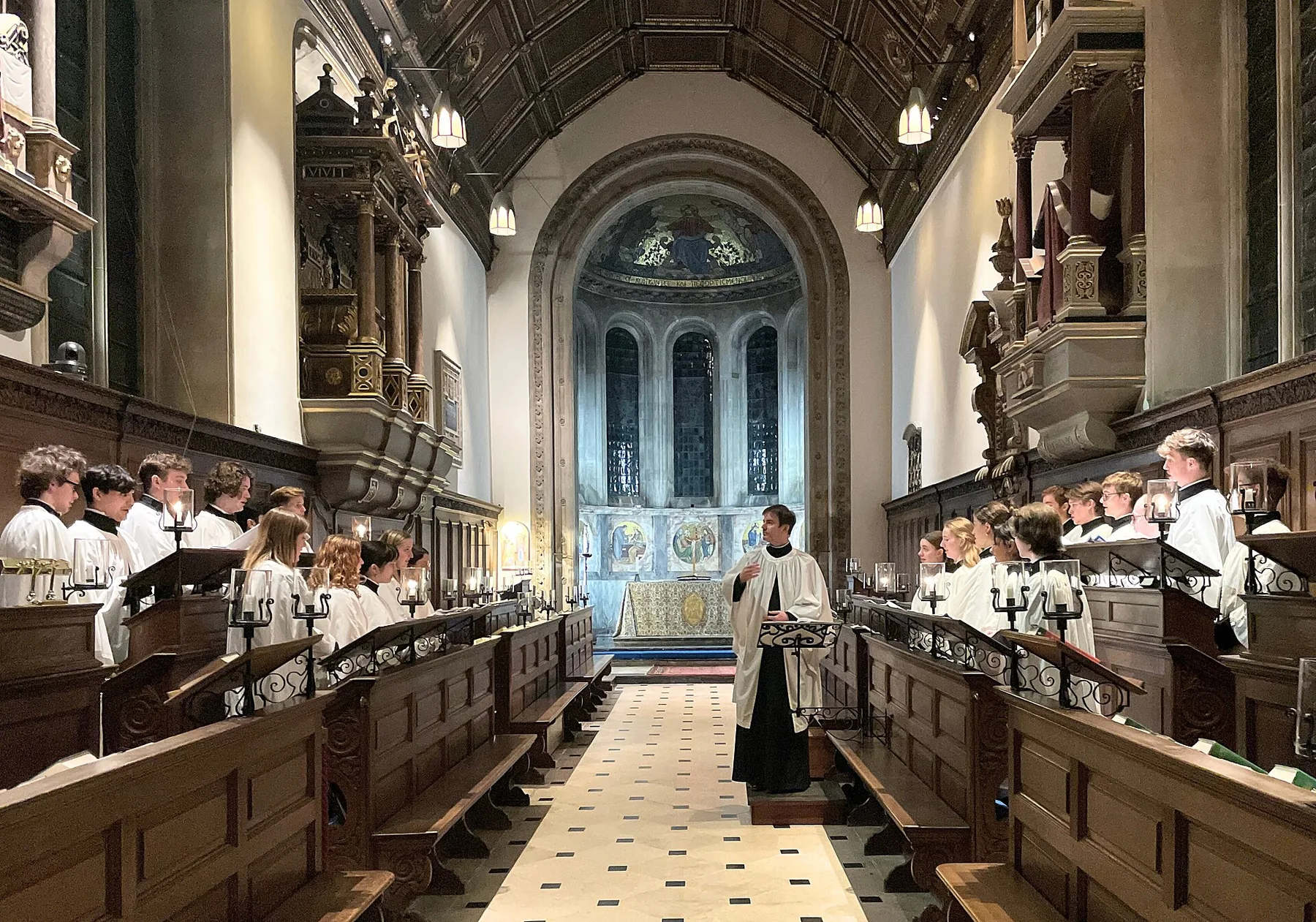
Voice-guitar-keyboard duo or trio: intimacy and clarity of song
A duo or trio makes the lyrics easier to understand. These ensembles are often chosen for their discreet presence and their ability to adapt to small venues.
Professional musicians frequently perform in a voice, guitar and keyboard setup, with light sound reinforcement.
Speak to the priest beforehand to approve the musical format
Before confirming, talk with the officiant. Some parishes freely accept gospel, while others limit external performers.
- Respect the customs of churches and adapt sound levels.
- Favor understated instruments: piano, guitar, light percussion.
- Adapt the size of the group to the capacity of the venue to preserve the purity of the voices.
Booking Process, Quotes and Guarantees
Booking the musical performance early secures the date and reassures everyone involved.
Start with a local search and ask for audio or video excerpts to judge the quality. Then send a precise quote request: venue, duration, size of the group, schedule constraints and technical requirements.
The quote varies depending on reputation, travel and duration. Plan for 1 to 2 hours of performance, often in flexible sets. If you want special songs, make the request as early as possible; this allows for polished arrangements.
Financial terms are generally handled in two stages: a deposit at booking and the balance on the wedding day. Check the guarantees in case of cancellation and the replacement solutions offered by the group.
Ask all your questions (setup, attire, breaks) and confirm the schedule and repertoire in writing. Compare several quotes and browse a catalog of choirs to align budget, logistics and artistic level.
Logistics, Technical Setup and Options for the Wedding Day
Planning the practical and technical aspects avoids unexpected issues and protects the emotion of the moment.
Suitable sound reinforcement: check that the setup properly covers the church. Microphones should be positioned to capture the voices without excessive reverberation. Ask for a sound test or a mixing reference, and confirm the availability of a sound engineer if necessary.

Indoor or outdoor performance
Plan a sheltered plan B if you organize a set outdoors. In case of rain, the indoor option must be approved in advance to avoid wasting time.
Duration, sets and organization
Structure the performance into flexible sets (1 to 2 hours total) to cover the ceremony and then the cocktail reception. Adjust the volumes: measured during the ritual, more convivial during the cocktail reception.
On-site coordination
Plan access to the venue, parking and the group’s setup time. Provide dressing rooms, water and snacks for the members to maintain vocal quality.
| Aspect | Action | Benefit |
|---|---|---|
| Sound reinforcement | Microphone test and mixing before guests arrive | Clear lyrics and listening comfort |
| Outdoor | Sheltered plan B and resistant equipment | Continuity of the performance in case of weather |
| Organization | Flexible sets and confirmed schedule | Smooth transitions between ceremony and cocktail reception |
| Welcome | Dressing rooms, refreshments, responsible contact person | Peace of mind for the members and consistent quality |
Finally, anticipate the payment (deposit + balance) and solutions in case of unexpected issues to guarantee continuity of the performance.
Conclusion
To finalize your musical project, prioritize dialogue with the group and the officiant. Clarify the style, show live videos and detail your expectations in the request.
Anticipate the booking and ask for a precise quote (duration, sets, equipment). Also confirm the parish’s approval for the Mass.
Remember that choirs often agree to learn songs if you brief them early. Organize the sound system and on-site coordination to guarantee the emotion on the wedding day.
In conclusion, choose a group that serves your union: committed singers and musicians, a clear repertoire and a schedule confirmed in writing to engrave this moment in everyone’s memory.