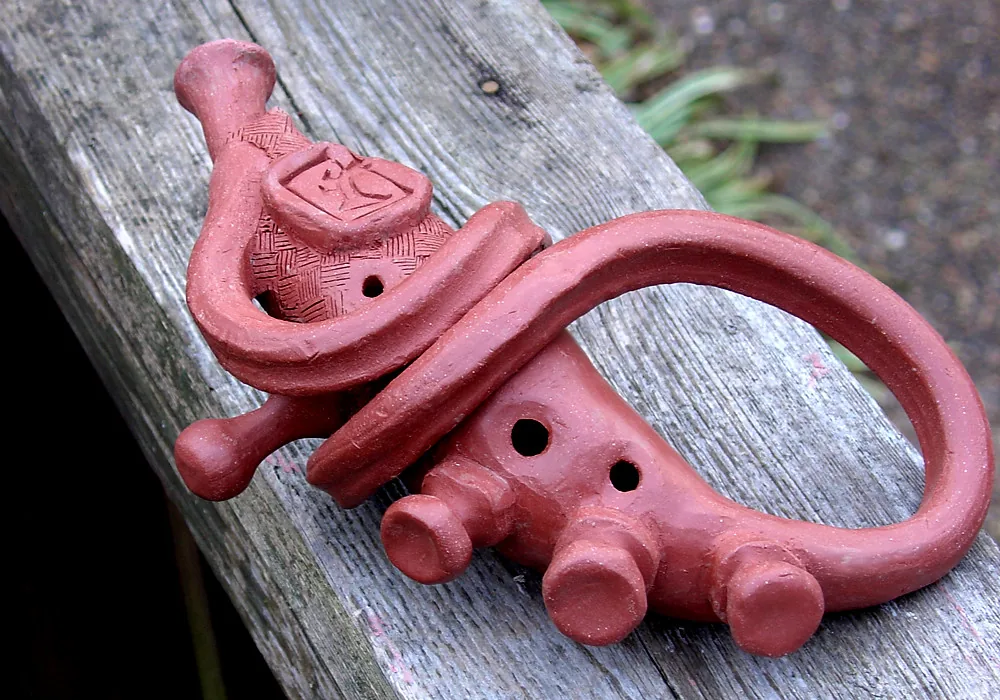
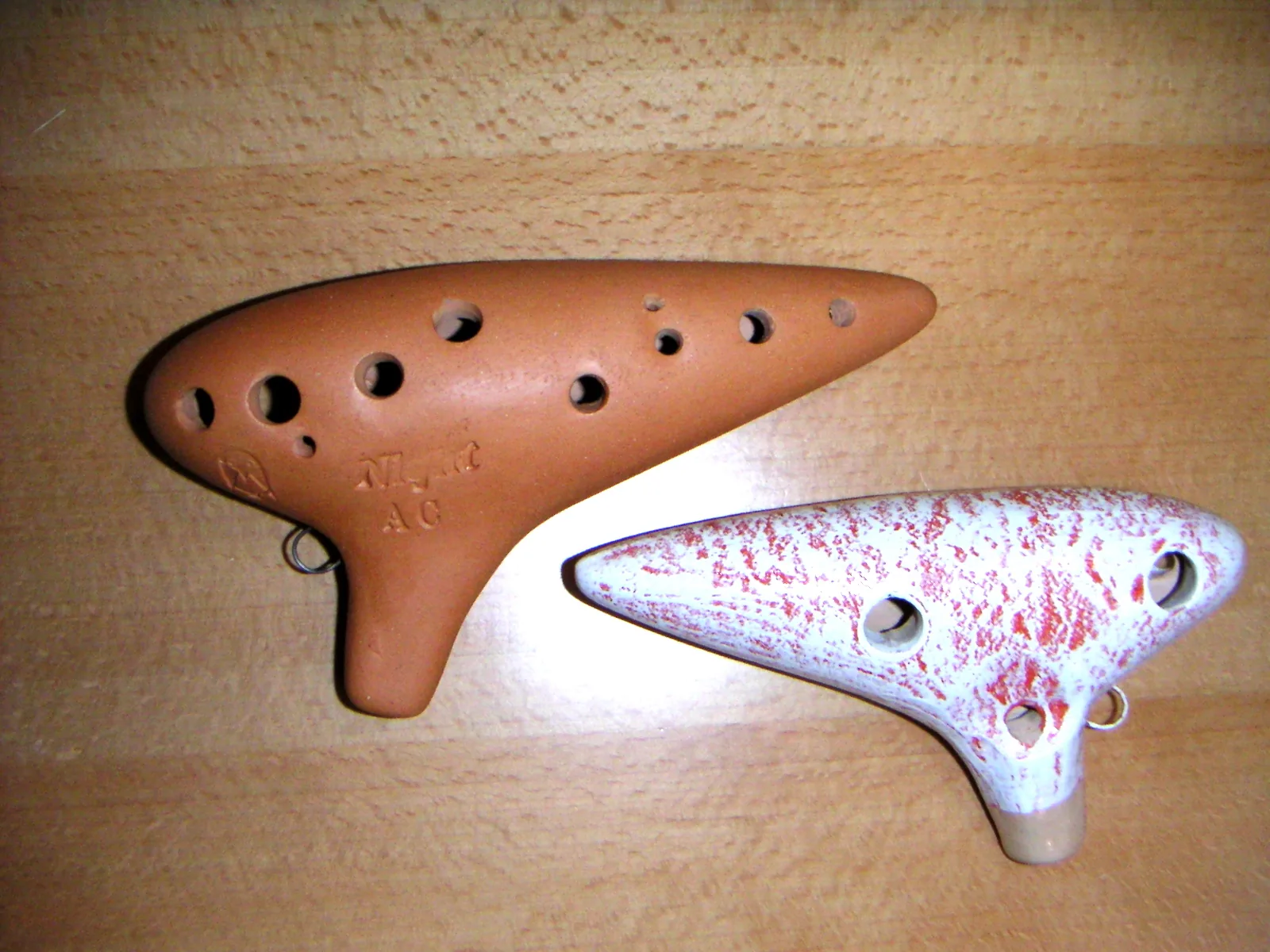
The ocarina is a fascinating wind instrument that has captivated many musicians over time. Its popularity has grown remarkably, especially thanks to iconic video games such as The Legend of Zelda. Sales have risen sharply since 2015, showing the growing enthusiasm for this musical instrument.
This guide aims to simplify your choice by giving you reliable technical information and practical advice. Whether you are a beginner or an experienced musician, it supports you at every stage, from discovering the origins of this instrument to making your final purchase.
We will cover several topics: the history of the ocarina, its different models, its manufacturing materials and the criteria used to assess its quality. Choosing a suitable model is essential, especially when you are starting out, to avoid disappointment caused by a poorly tuned or uncomfortable instrument.
Introduction to the ocarina: history and origin
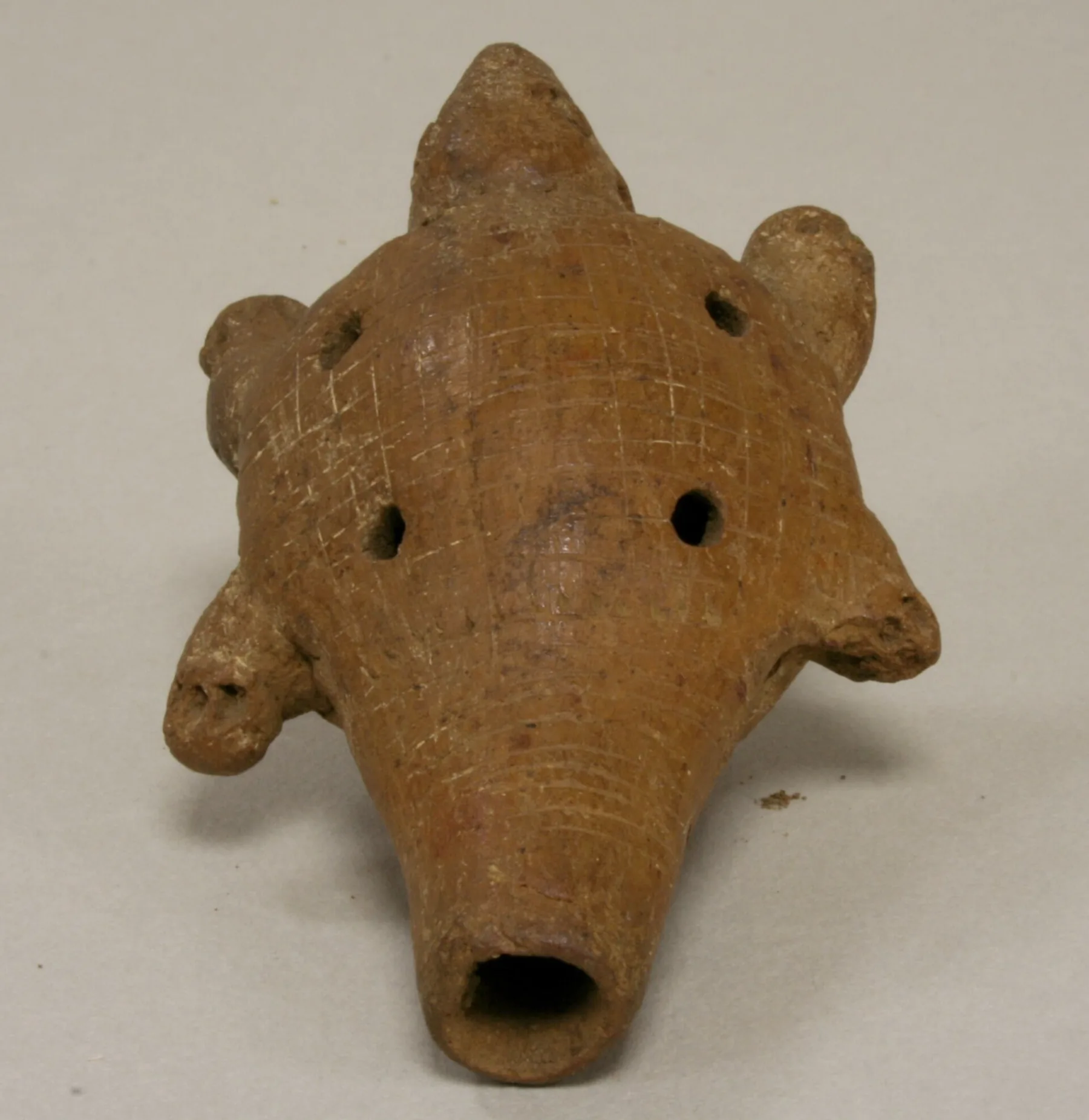
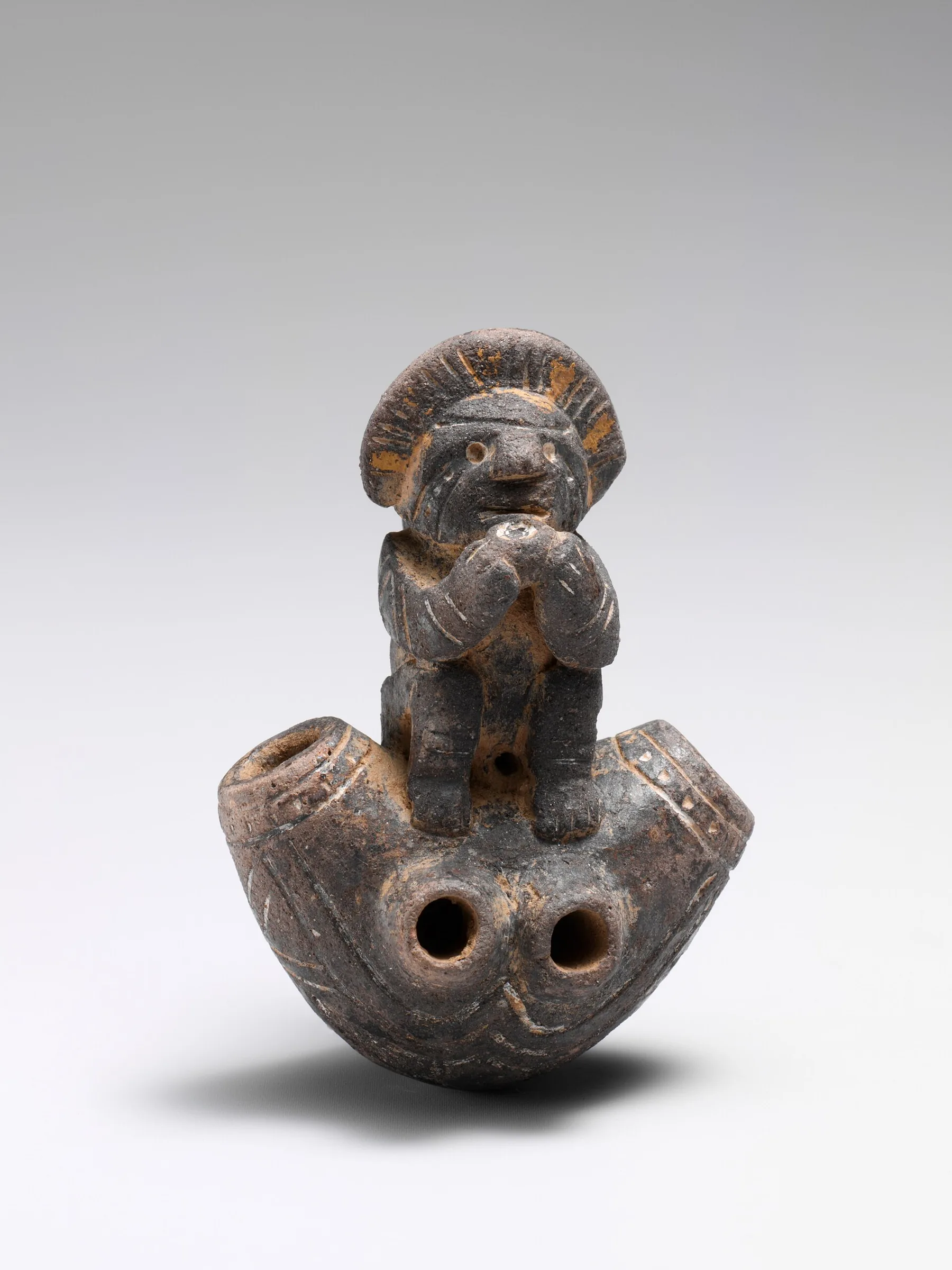
The origins of this instrument go back to very ancient times and span several cultures. Wind instruments close to the ocarina have been found in different traditions, particularly pre-Columbian ones. They could be used for music, but also to accompany rituals or collective practices.
In the 19th century, a major transformation took place thanks to Giuseppe Donati. In 1860, he modernized this instrument by giving it the transverse shape we know today. This standardization helped turn a traditional object into a musical instrument recognized around the world.
Over the centuries, the ocarina has evolved culturally as it crossed continents. From Asian traditions to the Andes, each region developed its own models. Shapes and styles vary: globular, transverse or pendant, each offering distinctive sounds.
The current popularity of this instrument has grown strongly, especially thanks to its appearance in video game works such as The Legend of Zelda. This visibility has helped create a worldwide community of enthusiasts.
Today, this ancient wind instrument has a place in both traditional music and contemporary repertoires. Whether at festivals or concerts, it is played by amateurs and professionals alike. Its basic acoustic operation is fascinating: the breath sets the air vibrating in a hollow chamber, while the holes alter the pitch of the sound to produce different notes.
| Period | Use | Characteristics |
|---|---|---|
| Pre-Columbian | Rituals, music and communication | Terracotta models |
| 19th century | Standardized musical instrument | Codified transverse shape |
| Contemporary period | Concerts, festivals and amateur playing | Variety of materials and styles |
Types of ocarinas: number of holes and chambers
The diversity of ocarinas allows musicians to choose according to their preferences and level. Models mainly vary according to the number of holes and the type of sound chamber they have. These characteristics influence both ease of playing and the range of accessible notes.
4-, 6- and 12-hole ocarinas: features and uses
4- and 6-hole ocarinas are often compact, making them suitable for children and beginners. They offer a simple range, generally between 7 and 17 notes depending on the fingering system. John Taylor helped popularize them in the 1960s by offering accessible models that were easy to handle.
The 12-hole model is especially recommended for beginners who want a wider range. It can play around 21 to 22 notes over an octave and a half, depending on tuning and technique. Thanks to relatively logical fingerings, it makes learning easier and lets you approach a variety of pieces, including video game themes such as The Legend of Zelda.
Multichamber ocarinas: double and triple models for experienced musicians
Multichamber versions, whether made of plastic, ceramic or wood, extend the range over several octaves. A double ocarina can cover around 2 octaves, while a triple can reach about 3 octaves. These models are designed for experienced musicians and make it possible to explore more advanced melodic possibilities.
The Pacchioni system, used in some multichamber models, aims to improve register transitions and the accuracy of high notes. It can make intonation easier than other fingering systems, provided the instrument is well made and properly mastered.
- 4- or 6-hole models are perfect for free playing and first steps.
- 12-hole models are suitable for learning and small concerts.
- Multichamber models are suited to experienced performers looking for an extended range.
To choose the right type of ocarina, it is advisable to master a simple 12-hole model before moving on to a multichamber instrument. This helps you absorb the basics of breath control and fingering.
Understanding range: choosing soprano, alto or bass
An ocarina’s range determines its sound span and influences playing comfort. It plays a crucial role in choosing the model suited to each musician. Whether you are a beginner or an experienced musician, understanding the differences between registers will help you select the best model.
Bass range: low, deep notes
The bass range, generally around C3 to F5 depending on the manufacturer, produces low notes with a warm timbre. These models, often larger, sometimes measure around 8 inches and are frequently made of ceramic. They are ideal for solemn melodies and traditional compositions.
Alto range: versatility and playing comfort
The alto range, which often extends from C4 to F6, is frequently recommended for beginners. It offers a good balance between low and high notes, making it possible to play a wide variety of repertoires, from popular themes to classical compositions. This range also provides appreciable playing comfort.
Soprano range: high, clear sounds
The soprano range, generally covering C6 to F7, produces high, clear sounds. These compact models, sometimes around 4 inches, suit lively, bright tunes. However, they can sound shrill without good breath control. Mastering the technique is therefore essential to get the best from them.
- Range refers to the sound span that determines the playable register and influences the timbre.
- The bass range suits deep and solemn melodies.
- The alto range is versatile and ideal for beginners who want to explore different repertoires.
- The soprano range suits high lines, but requires good breath control.
To choose the range that suits you, it is advisable to start with an alto model in C. This will let you test different timbres and compare sounds before making your final choice. Do not hesitate to listen to audio or video demonstrations as well, so you can better appreciate the differences between models.
How the ocarina works acoustically
The acoustic richness of this instrument is based on simple but precise principles. The musician’s breath is the main driver of sound production. Air is directed toward the edge, then the sound chamber resonates to produce notes. This interaction is essential for obtaining a stable and accurate sound.
The role of breath and the sound chamber
Breath control is crucial. Diaphragmatic control makes it possible to obtain accurate and expressive notes. The sound chamber is the cavity where the air resonates. Its shape and volume directly influence the color of the timbre. For example, globular models often produce a round, warm sound, while transverse shapes generally offer a clearer, more projecting sound.
How the holes affect scale and pitch
The holes play a decisive role in the range of notes. Each hole that is covered or uncovered changes the instrument’s internal resonance. This makes it possible to play different notes over a range that can reach an octave and a half for some 12-hole models. Some models also allow the range to be extended through overblowing, which adds several extra notes.
It is important to note that manufacturing quality directly affects acoustic performance. Poorly drilled holes or an improperly calibrated sound chamber can compromise note accuracy. This can make learning frustrating for beginners.
To develop good breath control, regular practice is recommended. This helps produce stable and expressive notes on this fascinating wind instrument.
| Element | Description |
|---|---|
| Breath | Controlled airflow, essential for sound production |
| Sound chamber | Cavity where the air resonates and which influences timbre |
| Holes | Modify the instrument’s resonance and influence the range |
| Overblowing | Technique used to add extra notes |
| Manufacturing quality | Influences note accuracy and the learning experience |
Manufacturing materials and their impact on sound
The material composition of this instrument directly influences its acoustic result. The most common materials are ceramic, plastic and wood. Each has characteristics that affect sound quality, durability and ease of use.
Ceramic: harmonic richness and fragility
Ceramic is a traditional material for ocarinas. It offers beautiful harmonic richness, with a warm and precise timbre. Handmade models, such as those from STL or Musique de Terre, stand out for their careful finishes and good accuracy when properly tuned.
However, these ceramic ocarinas are fragile. They require delicate handling and special care to avoid breakage. Demanding musicians particularly appreciate these models for complex compositions and concerts.
Plastic: strength and practicality
Plastic ocarinas are a modern alternative. They appeal because they are light and impact resistant. Ideal for travel and outdoor practice, these models, such as the Night by Noble, offer a good balance between quality and price.
Although practical, it is important to note that they can accumulate condensation, which may slightly disturb high notes. Even so, they are well suited to lessons with children and beginner musicians.
Wood: warm sound and specific maintenance
Wooden ocarinas are rarer and often more expensive. Made from selected woods, they produce a warm, organic sound with beautiful natural resonance. Models from the Hind Ocarina brand are especially appreciated.
However, these instruments require specific maintenance. Regular application of suitable wax or oil may be recommended depending on the manufacturer to preserve their sound quality and durability. This makes them less suitable for beginners looking for an easy-to-maintain model.
| Material | Advantages | Disadvantages |
|---|---|---|
| Ceramic | Harmonic richness, warm timbre, refined appearance | Fragility, delicate handling |
| Plastic | Sturdy, light, ideal for travel | Possible condensation, sometimes less rich sound |
| Wood | Warm sound, natural resonance | Specific maintenance, high cost |
How to choose your ocarina: a complete guide to choosing the right one
Choosing a model suited to your needs is essential if you want to fully enjoy this instrument. Several criteria should be taken into account to make an informed choice. These include your musical repertoire, your playing level and your budget.
Define your criteria according to your repertoire and ear
Before selecting a model, it is useful to think about the styles of music you want to play. Each type of ocarina excels in different registers. Here are a few points to consider:
- Identify the musical repertoire you want to explore.
- Assess your musical ear and your ability to recognize sound nuances.
- Test several models to compare timbre and playing comfort.
Compare models according to number of holes and range
Ocarina models vary depending on the number of holes and the range. A summary table can help visualize the differences:
| Type of ocarina | Number of holes | Note range | Recommended use |
|---|---|---|---|
| 4 holes | 4 | 7 notes | Beginners |
| 6 holes | 6 | 10 notes | Simple practice |
| 12 holes | 12 | 21 notes | Versatile use |
| Multichamber | 2 to 3 chambers | 2 to 3 octaves | Experienced musicians |
Consider the material according to use and budget
The choice of material also affects the ocarina’s sound quality and durability. Here are the most common options:
- Ceramic: clear, resonant sound, but fragile material.
- Plastic: durable and light, ideal for travel.
- Wood: warm tone, but more demanding maintenance.
For beginners, a 12-hole model in C major is often recommended, with a budget of 40 to 80 euros. Do not forget to check the tuning with a chromatic tuner.
In short, it is essential to check tuning accuracy, hole ergonomics and manufacturing quality before buying. Avoid very low-priced models, which may have tuning defects. Finally, do not hesitate to invest in accessories such as a protective case and an electronic tuner to get off to a good start.
Adapting your choice to your playing level and budget
It is crucial to adapt your choice of ocarina to your playing level and budget. This helps ensure an enjoyable and motivating learning experience. Every musician, whether beginner or advanced, should find a model that matches their needs.
Recommendations for beginners
For beginners, a 12-hole ocarina in C major remains an excellent entry point. With an affordable price of 50 to 60 euros, this type of model is well suited to starting out. It is often advisable to favor plastic models for their sturdiness during the first handling sessions.
A complete pack including a protective case and a learning method, such as the Ocarina Method Book Vol.1, can also be useful. This makes learning easier and the experience more gradual.
Recommended models for intermediate and advanced players
Advanced players can take advantage of multichamber versions, which offer 2 to 3 octaves. These models make it possible to explore more complex repertoires. Brands such as Gosselink for the Triple C3 or STL for ergonomic models can be considered.
Impact of practice time on progress
The decisive factor remains the time devoted to regular practice. With 15 to 30 minutes per day, a beginner can master the basics in a few weeks. A structured 30-day program, with progressive exercises, helps consolidate the fundamentals.
To progress quickly, it is advisable to use resources such as the YouTube channels OCTalk and Gina Luciani for tutorials, as well as the Part’Ocarina tool to generate tablatures suited to your level.
It is essential to choose a model suited to your level to avoid discouragement. An instrument that is too complex, with difficult fingerings, can slow learning. Conversely, a well-tuned quality model encourages regular practice.
| Level | Recommended model | Approximate budget |
|---|---|---|
| Beginners | Dinda Alto C | 35 euros |
| Intermediate | STL Dragon | 80 to 120 euros |
| Advanced | Spencer | More than 300 euros |
Students who have taken online lessons report significant progress in only 3 months with regular practice and a quality instrument suited to their level.
Tips for maintaining your instrument and extending its life
Taking care of your ocarina ensures not only its longevity, but also optimal sound quality. Regular maintenance is essential to preserve this instrument. Here are some practical tips for keeping it in excellent condition.
Regular cleaning and precautions
After each practice session, it is important to blow gently into the instrument to remove accumulated moisture. Then wipe the mouthpiece with a dry, clean cloth. This helps maintain good hygiene and preserve sound quality.
For deeper cleaning, use a flexible pipe cleaner or a small brush tip. Avoid harsh products, which could damage the glaze of ceramic models or the varnish of wooden instruments.
Storage and suitable protection
Storing fragile ceramic models in a padded case is an important precaution. This protects them against knocks and temperature changes. Before putting the instrument away, always let it air-dry and separate ocarinas to avoid friction between them.
Periodic maintenance and checks
It is recommended to set up a maintenance routine. This includes a quarterly check of the holes and mouthpiece to detect any obstructions or damage. Have problems corrected if necessary to maintain reliable tuning and optimal playability.
Wooden ocarinas require controlled humidification and regular treatment with suitable oil to limit the risk of cracks. Plastic models, for their part, can be rinsed with lukewarm water after use if the manufacturer recommends it.
- Blow gently after each session to remove moisture.
- Use a pipe cleaner for deep cleaning.
- Store fragile models in a padded case.
- Regularly check the holes and mouthpiece.
- Maintain wooden ocarinas with suitable oil.
By following these tips, you will extend the life of your instrument and preserve tuning quality as well as the cleanliness of the holes.
Where to buy a quality ocarina: shops, brands and traps to avoid
Investing in a good ocarina is essential to ensure a rewarding musical experience. Where you buy it can greatly influence the quality of your instrument. There are two main options: specialist shops and general platforms.
Differences between specialist shops and general platforms
Specialist shops offer personalized technical advice. You can sometimes try the instruments and discover handmade artisanal models. This allows you to choose an ocarina that precisely matches your needs.
By contrast, general platforms offer a wide selection at often lower prices. However, they sometimes lack rigor on tuning, which can be a major drawback for beginner musicians.
Reputable brands to favor
When looking for a quality ocarina, certain brands stand out:
- Olivier Gosselink: artisanal maker recognized for his expertise.
- STL Ocarina: international brand offering a wide variety of models, including designs inspired by pop culture.
- Sarawut Bugkhuntod (Dinda): affordable models made in Thailand, often appreciated for their value for money.
- Spencer Register: high-end instruments intended for demanding musicians.
- Musique de Terre: French brand recognized for its artisanal models.
Tips for a secure online purchase
To ensure a secure online purchase, follow these tips:
- Systematically check the tuning certificate provided by the seller when available.
- Read verified customer reviews to assess quality.
- Watch a demonstration video if available.
- Make sure the seller offers a clear return policy.
Beware of traps to avoid: very cheap ocarinas sold in bundles or by unknown brands are often poorly tuned. Avoid offers without certification, without a sound demonstration and without a reliable return policy.
| Brand | Price | Type of ocarina |
|---|---|---|
| Dinda Alto C | 35 euros | Model for small budgets |
| STL Dragon | 80 to 120 euros | Excellent value for money |
| Gosselink | 90 to 150 euros | French artisanal excellence |
| Spencer | More than 300 euros | Instruments for professional musicians |
In short, favor recognized makers and check that the shape, number of holes and pitch match your musical expectations. Do not hesitate to invest in a quality model to ensure years of musical pleasure.
Conclusion
Selecting a suitable model is essential to fully enjoy the musical experience. Whether you are a beginner or an advanced musician, the choice depends on your level, your budget and the repertoire you want to explore.
A 12-hole model in C major is often recommended for novices because it offers good accessibility and convincing sound quality. For those who progress, multichamber versions make it possible to broaden the musical range.
Regular practice is the key to mastering fingerings and notes. Spending 15 to 30 minutes a day with the instrument will help you progress quickly. Do not forget to explore online resources, such as tablatures and tutorials, to enrich your learning.
By investing in a quality model, you ensure years of enjoyment with this fascinating wind instrument. The ocarina is a true bridge between past and present, offering a rewarding musical experience to everyone who takes the time to get to know it.