
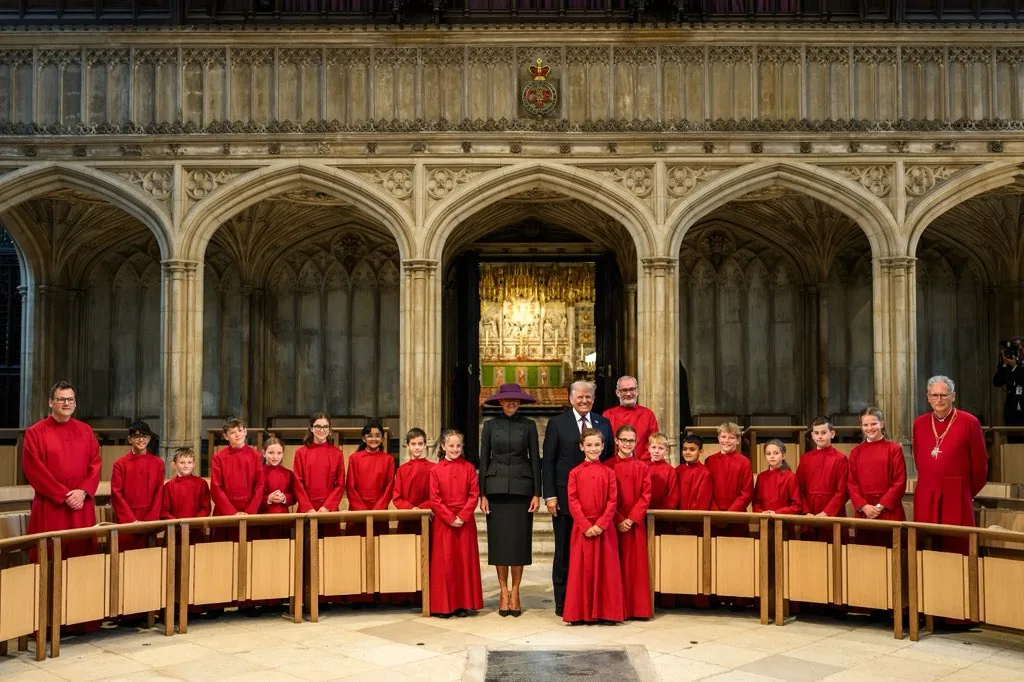
Goal: provide a structured list of practical resources for working on the voice and improving the quality of ensemble singing. This guide is intended for choir directors, teachers and choristers who want to structure a session with concrete tools.
Vocal technique should be built in regularly and varied to avoid monotony. Ready-to-use documents make physical preparation, playful games for younger singers and the stages of learning a song easier to organize.
A methodical 10- to 15-minute warm-up should precede every choir session. It protects the voice, develops intercostal-diaphragmatic breathing and prepares articulation.
What you will find: precise gestures, points to watch, vocal benefits and teaching markers for integrating these exercises in just a few minutes. The approach aims to develop ensemble listening, accuracy and controlled resonance.
Why Vocal Exercises Matter in Choir Today
Regular practice of structured exercises transforms the quality of collective singing. They organize learning and make it possible to measure progress in intonation, projection and phrase sustain.
The unity of the body and breathing coordination are prerequisites. When everyone shares these markers, the voice gains stability and homogeneity.
Routines can be adapted according to the repertoire, the group’s level or the context: concert, short rehearsal, sectional work. Regularity supports motor memory. Variety stimulates engagement and reduces monotony.
Simple tips: start with body alignment, move on to breath, then to the voice. No intense sport just before vocal work; a brief, targeted physical warm-up is enough.
| Goal | Why | How to Apply It |
|---|---|---|
| Accuracy | Collective listening and shared reference points | Interval vocalises, sectional work |
| Projection | Breathing and body centering | Breath and posture exercises |
| Tone and resonance | Pharyngeal opening and vocal placement | Vowel vocalises, targeted resonators |
| Stamina | Progression and regularity | Short, frequent sessions, concise resources |
In short: understanding the purpose of each gesture helps singers commit to the work. This approach opens the way to better shared musicality, from the attack through to the expression of each phrase.
Warming Up the Body Before the Voice
Establish vertical alignment and support before engaging the voice. This short adjustment recenters the body and prepares deep breathing. It should be simple and comfortable.
Grounding and Unarching Inspired by the “Guide du chantre”
Stand upright, feet parallel, knees unlocked, sternum open, neck long. This exercise for unarching the back while standing begins with the arms hanging loosely and the legs slightly apart.
- Raise the arms smoothly in coordination with a slight bend of the knees.
- The intake of air is low; do not pull on the neck.
- Result: a lower center of gravity and immediate body stability.
Gentle Stretches: Neck, Shoulders, Rib Cage, Spine
Do shoulder circles and gradual side stretches. Breathe through the nose; feel the accessory breathing muscles activate.
Standing Posture: Arms Upward, Verticality and Openness
As you inhale, raise your arms upward to lengthen the spine. This exercise should be coordinated with calm breathing.
Recommended duration: 2-3 minutes. This exercise prepares vocal technique and makes the body ready to receive vibration. Listen to your sensations: if an area pulls, reduce the range of motion.
Breathing and Breath Flow: The Foundation of Ensemble Singing
Mastering your breath is the key to sustaining long notes and keeping the group’s intonation steady.
Intercostal-Diaphragmatic Breathing: Low Inhalations
Set up a low inhalation by opening the floating ribs. The abdomen remains supple and the upper chest still.
Do not lift the shoulders. Keep the head upright and the neck neutral. This setup prepares a shared column of air for the section.
Controlling Exhalation: “sss” and a Constant Airflow
A sustained “sss” helps you feel the steadiness of the airflow. Inhale silently, then breathe out on “sss” until you run out of air.
Time the duration and look for an even emission. This exercise makes it possible to compare the group’s progress over time.
Straw-in-Water Exercise to Relax the Vocal Cords
The straw in water is an SOVT practice that relaxes the larynx and vocal cords. Blow to make bubbles, then alternate with gentle phonation.
Progress like this: silent bubbles → bubbles with a stable sound → glissando → simple melodic pattern. Pinching the straw helps adjust the airflow.
| Goal | Setup | Duration | Benefit |
|---|---|---|---|
| Stable breath | Low inhalation, open ribs | 1-2 min | Aligned phrase endings |
| Airflow control | Sustained “sss” | 1-3 min | Better exhalation management |
| Laryngeal relaxation | Straw in water (SOVT) | 3-5 min | Reduced vocal-cord tension |
Integration into the lesson: these gestures can be introduced at the start of the session and adapted according to the space and the number of choristers. Consolidating these habits brings less tension and more stamina.
Voice-Body Connection: Gestures That Free the Sound
The connection between posture and vocal emission immediately changes vocal sustain. Pelvic stability and stable support prepare a freer, more reliable emission.
Running Against a Wall
Stand facing the wall, let the body tilt slightly forward, then stop the fall with your hands. Next, run in place while “pushing” the wall away: short movement, flexible support from the feet, with a stable pelvic and lumbar belt.
Breathe every 4-5 steps. The torso and head should remain aligned; the movement should stay energetic but fluid, without contracting the shoulders or stiffening the neck muscles.
The Tightrope Walker
Walk along a line, knees bent, center of gravity low. Place the tip of the foot and follow the straight line. This practice improves grounding and establishes low breathing useful for singing while moving.
Variation: soft steps to refine proprioception. The exercise can be integrated at the start of rehearsal, in attentive silence.
| Gesture | Duration / Repetition | Benefit |
|---|---|---|
| Running against a wall | 30-45 s, x2 | Mobilizes the pelvic belt and flexible support |
| The tightrope walker | 30 m, x2 | Grounding, low breathing, balance |
| Soft steps | 30-60 s | Proprioception, gentle attacks |
Progressive Vocalises for Choristers
Always start with simple vocalises that respect the group’s middle range. These gestures prepare the voice without forcing and support section homogeneity.
Vowels: or, o, oui. The syllable “or” opens the pharynx. The vowel “o” helps stabilize a low larynx. “Oui” brings squillo and focus.
Durations and Tempos: 10 to 15 Minutes at the Start of the Session
The targeted warm-up time is 10 to 15 minutes. This exercise should be progressive: start slowly, then speed up slightly if the sensation remains easy.
- Begin in the middle range, with gentle ascending and descending scales.
- Recommended pattern: 1-3-5-8-5-3-1, then arpeggios; keep the tone even.
- Use the piano as a reference for pitch and internal listening.
Practical instructions: keep the shoulders low, the neck long, the jaw supple and the tongue flat. Altos and tenors progress according to their section.
Reminder to stay alert: the sensation should remain easy. If resistance appears, return to a more favorable vowel and a lower pitch. This exercise aims for singing homogeneity and breath-resonance coordination.
Articulation and Diction in Service of Meaning
Knowing how to articulate without forcing lets the musical message come through naturally. Articulate without exaggerating the lips and favor a mobile back of the throat to keep vocal emission free.
Work first on clear consonants, then on continuity through long vowels. Synchronizing attacks between sections avoids a blurred effect and strengthens cohesion.
Offer graduated exercises: repetitions on isolated consonants, then on syllable sequences, and finally on short phrases from the repertoire. Use French tongue twisters, for example “Trois tortues trottaient…”, to refine precision without tightening the jaw.
Text projection can be optimized through articulatory energy coming from the back of the throat and through an agile tongue. This exercise can be done at low volume; clarity matters more than power.
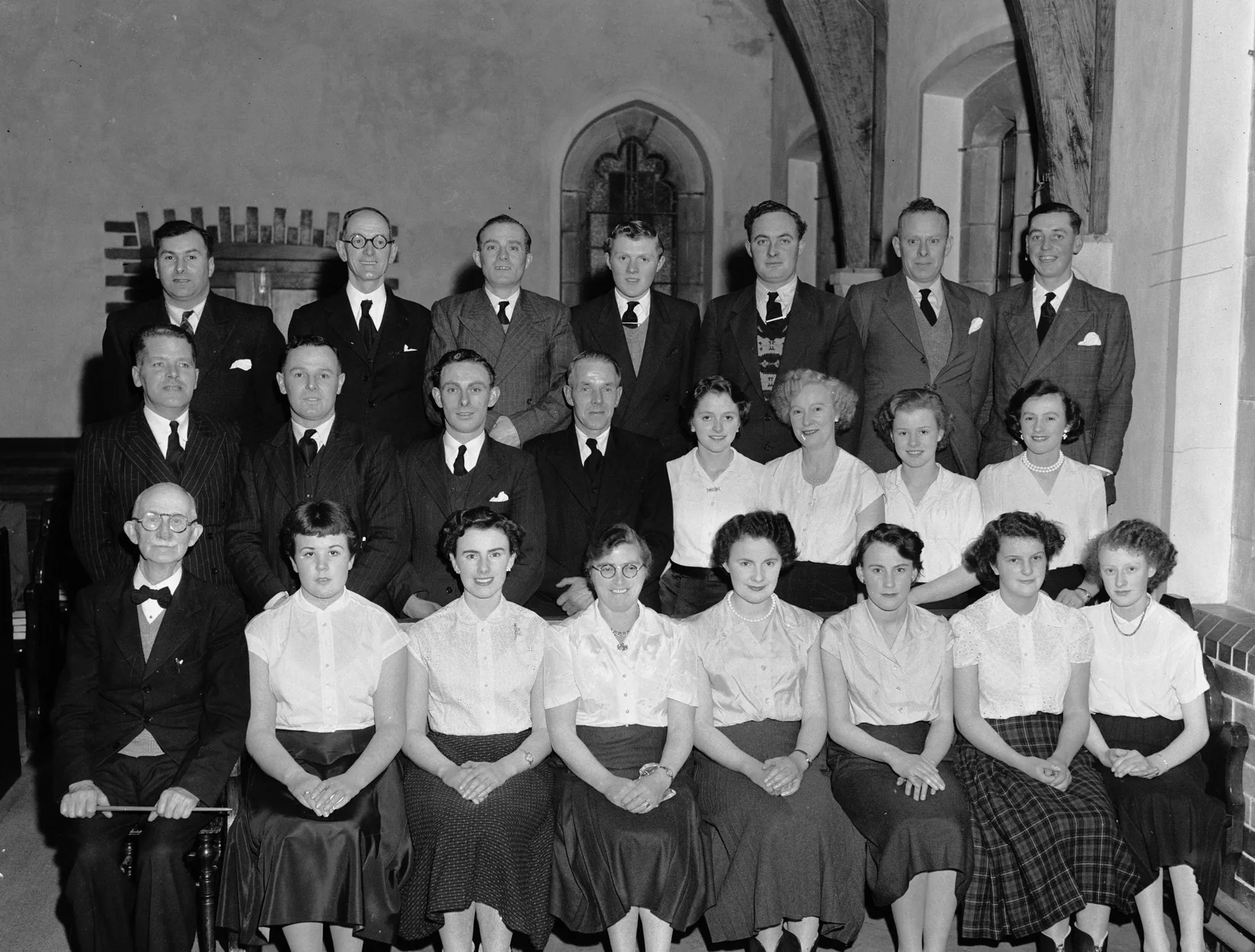
- Connect clear diction with the transmission of meaning to improve collective quality.
- Repeat short sequences from repertoire excerpts to anchor the adjustments.
- Listen to one another to harmonize vowel color between sections.
In conclusion: precise diction is a direct lever for expressiveness. The singer becomes more engaged and the audience understands each phrase better.
Accuracy and Listening: Toward an Ensemble Sound
Before singing, invite the group to hear the melody mentally, note by note. This exercise begins in silence: each chorister imagines the pitch, the tone and the end of the phrase. This inner preparation stabilizes the voice and makes accuracy easier.
Inner Listening Protocol
Silence, visualization of intervals, controlled breathing, then gentle emission to confirm the pitch. Start with simple songs to anchor the ear.
Alignment and Placement Games
Alternate circles, lines and small groups of four to work on the perception of neighboring singers. Introduce sectional drones while another group sings a line. This gesture helps the ensemble find a shared tonal center.
| Aim | Protocol | Effect |
|---|---|---|
| Mental listening | Silence → visualization → gentle emission | Improves accuracy |
| Spatial placement | Circles, lines, groups of four | Better sound blend |
| Section drone | Sustained note during a line | Stabilizes pitch |
Tip: repeat short segments with mutual listening and the conductor’s gestural cues. This exercise can be more effective than a long, untargeted repetition. Finally, remain attentive to the room’s resonance to adjust balance and accuracy in real time.
Exercises for Children: Head Voice and Gentleness
Guided playful activities open the way to a free and light child’s voice. A child’s voice develops better when gentleness and enjoyment are prioritized over force.
Start with imitation games: gentle echoes, slow sirens and sung breaths. These games help the voice explore a comfortable range without strain.
Games for Accuracy, Clarity and Precision
Offer mini-games that reproduce short patterns: move up and down step by step, then repeat simple patterns. This exercise strengthens accuracy without tiring the voice.
- Work on “m”, then open vowels to improve clarity.
- Echo game in a small group to develop collective listening.
- Simple movements linked with breath to connect posture and emission.
Use imagery-based instructions: “light as a feather”, “steady thread of air”. They encourage healthy, relaxed emission.
To structure 10 minutes of suitable activities, download a playful warm-up sheet here: vocal games sheet for preschool.
Conclusion: these games preserve the freshness of the voice, refine diction through nursery rhymes and strengthen listening and cohesion in the children’s group.
Note Attacks and Clean Starts
The quality of a note often depends on how it begins. A precise start avoids bumps and supports the group’s accuracy.
Types of attacks:
- Glottal: the vocal cords close before emission. You feel a brief contact before the sound.
- Simultaneous: the vocal cords come together at the moment of emission, without a bump and without added breath.
- Aspirated “Hoh”: a light “h” followed by the vowel, for an airy and clear start.
This exercise “uh-oh” helps you feel closure and then vibration. Repeat several times at low intensity to locate the vocal cords.
Then move on to the simultaneous attack: inhale while maintaining openness, then emit “oh” or “hoh”. Look for a clear start without pushing.
Work gently at first, then increase toward medium intensity. Watch the exhalation: it should remain even and stable.
Practical tips:
- Integrate these starts into short repertoire patterns for quick transfer.
- Unify the attack within the section: same vowel, same energy and same visual reference toward the conductor.
- If the neck tightens, release the neck and jaw before each attempt.
Try different vowels to feel their impact on the attack. Finishing with ensemble starts strengthens vocal-cord synchronization and group cohesion.
Resonance and “Head Voice”: Using the Resonators
Knowing how to direct vibration forward changes the way the voice resonates. The sinuses and nasal cavities act as natural resonance chambers. They color projection and lighten emission in the upper range.

The goal is not to put everything in the nose, but to guide the energy. A slight smile opens the pharynx. The tongue remains relaxed; the soft palate settles into place.
Offer short, frequent exercises: produce an “ng”, then glide toward “ang” to feel the vibration under the cheekbones. This exercise helps focus the sound without tightening the larynx.
A controlled nasal sound lets you explore continuity between resonances. Vary the pitch gradually and follow the sensations: facial vibrations, active soft palate, no tension in the vocal cords.
| Goal | Movement | Duration |
|---|---|---|
| Focus | “ng” → “ang” | 30-60 s |
| Light projection | slight smile + front vowel | 1-2 min |
| Continuity | controlled nasal sound → vowels | 2 min |
Be mindful of ENT conditions: a cold or allergies change resonance. Gentle nasal hygiene can be useful.
In conclusion, a well-placed head voice unifies the choir. It makes dynamics easier and preserves stamina without losing intonation.
Tongue, Jaw, Lips: Freeing the Vocal Gesture
The tongue, jaw and lips shape the color of the sound more than its intensity. Their coordination affects pharyngeal opening and vowel clarity.
Reminder: the tongue should remain flat, close to the lower incisors. Raising the tongue through contraction at the root blocks vibrations and hinders resonance.
Yor-Ye-Yi: Organizing the Tongue’s Path
Do slow “yor-ye-yi” series while keeping the tip low. This exercise helps free the back of the throat and stabilize the tip of the tongue.
Gnor-Gne-Gni: Refining Repositioning
Continue with “gnor-gne-gni” to reposition the tongue without pushing the lips. Watch for jaw suppleness and the absence of tension in the perioral muscles.
- Work in front of a mirror: check alignment and the absence of tension.
- Alternate sustained notes and short patterns to measure the impact on intonation.
- Make sure the upper lip stays supple and the jaw mobile, without excess.
These exercises correct tongue retraction, common among sopranos. Economy of gesture comes first: less visible effort, more acoustic efficiency. Integrate these adjustments into the repertoire by linking identical vowels between sections; for complementary series, consult vocal training sequences.
Vocal Exercises for Choir to Download as a PDF
These practical sheets offer ready-to-use formats to structure each rehearsal and save time.
You will find documents dedicated to physical preparation: grounding, unarching, stretching; and to vocal preparation: breathing, vocalises. They provide clear support for each lesson.
Targeted files offer games suited to preschool: short playful warm-ups, listening exercises and simple patterns to strengthen accuracy without tiring the voice.
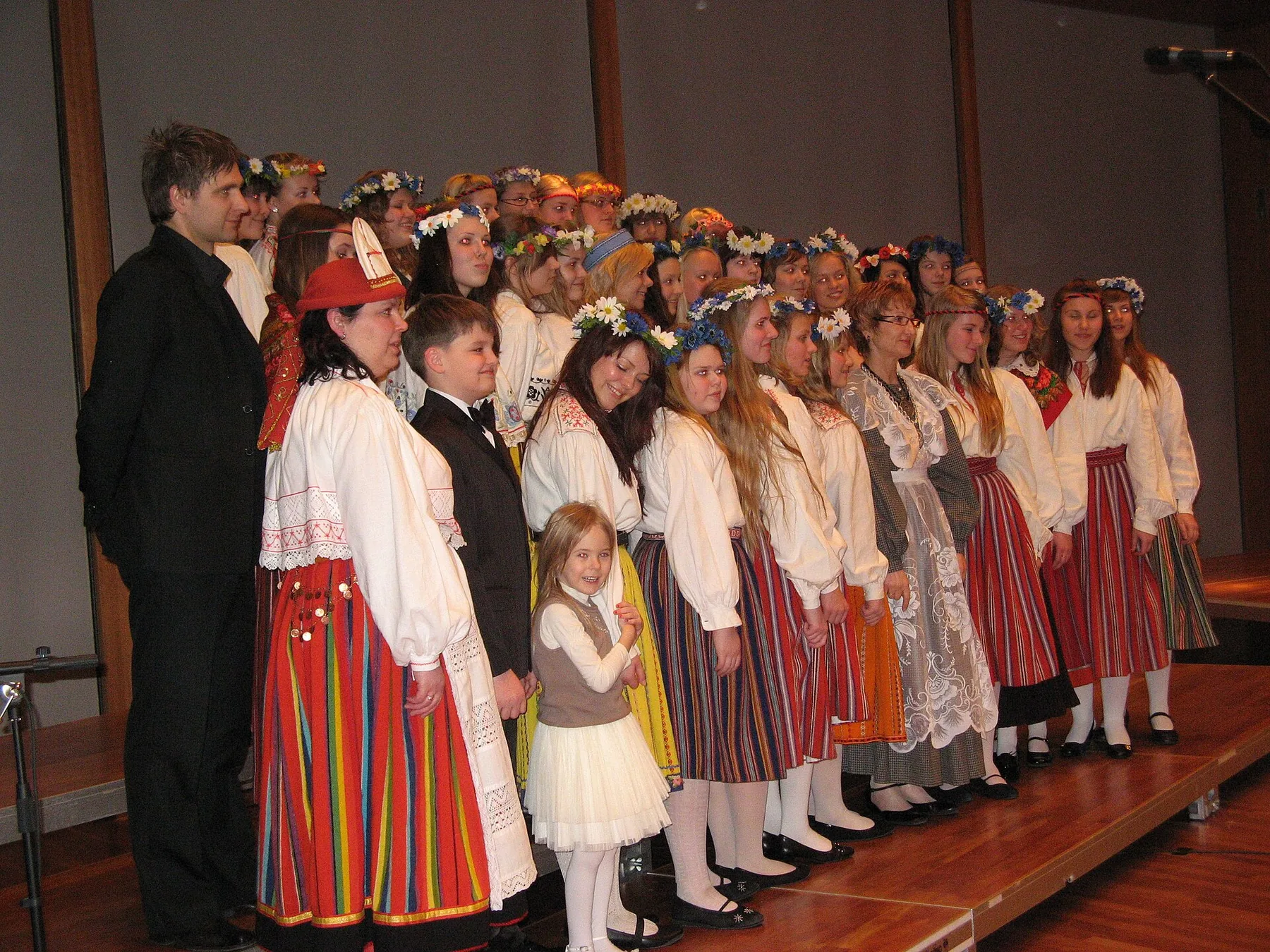
Essential Sheets and Organization
- Physical preparation: grounding, posture, stretching.
- Vocal preparation: breath, progressive vocalises.
- Ready-to-use 10- to 15-minute playful sequences for the start of a lesson.
- Tips for conducting a song: gestures, starts, managing dynamics.
| Sheet | Duration | Audience | Use |
|---|---|---|---|
| Physical preparation | 5-8 min | All levels | Grounding, posture |
| Vocal preparation | 5-7 min | Adults and children | Breathing, vocalises |
| Preschool games | 8-12 min | Children | Listening and accuracy |
| Conducting tips | Tool document | Choir directors | Gestures and learning stages |
These resources structure the rehearsal: choose 3-4 sheets according to the day’s goal. File them by theme to build a quick reference library.
To complete your resources, consult this directory dedicated to the voice.
Sample Choir Warm-Up Plan in Minutes
A clear minute-by-minute sequence makes time management easier and engages the voice. Here is a simple, adaptable plan for a quick and effective session.
- 3’ body: grounding, unarching.
- 3’ breath: “sss”, low inhalations.
- 2’ face: jaw and tongue, releases.
- 4’ voice: “or-o-oui” vocalises to homogenize the section.
This 12-minute plan can be reduced to 8 minutes by condensing each block. It should be adjusted according to the available time and the size of the session.
Allow some margin: replace the straw with a drone, change the vocalise patterns each week. Identify the day’s goal: attack, accuracy or diction, then choose the targeted exercises.
Take a short group check-in after 6 minutes to adjust the rest of the warm-up. Finish with a vocalise that connects to the key of the first choral piece being worked on; this final exercise can be an excerpt from the repertoire sung on a vowel.
Always adapt to the place, the time of day and the acoustics. Assign section leaders to guide one block and strengthen the group’s autonomy.
The regular use of this plan builds shared reflexes and optimizes the quality of the ensemble voice. For a ready-to-use sheet, consult this vocal warm-up sheet.
What to Avoid: Do Not Hurt Yourself, Never Force
Protecting your voice starts with simple, non-negotiable rules. The warm-up should be gradual and attentive: the gesture matters more than the duration. If any pain appears, stop immediately.
Before beginning the exercises, adopt a short ritual: breathe, yawn, release. Unlock the jaw, lower the shoulders and calmly return to the breath.
Ritual: Breathe, Yawn, Release
Never go beyond the breath or push through a blockage. If the breathing gets stuck, stop, yawn and begin again gently.
- Principle: the voice is a living instrument; the warm-up must be pain-free.
- Vary: do not always repeat the same sequence of exercises; alternate families of work to avoid overload.
- Warning signs: scratchy throat, breathy or faded voice, quick fatigue → stop, drink, walk, seek advice if it persists.
| Signal | Action | Note |
|---|---|---|
| Pain | Stop immediately | Do not force, avoid hurting yourself |
| Breathing blockage | Yawn, pause | Resume more lightly |
| Fatigue | Reduce range/pitch | Keep the musical intention |
Practical tips: hydrate, avoid intense sport just before singing and ask a professional for advice if discomfort recurs. Respecting the body guarantees lasting progress and a voice available for music.

Adapting the Exercises: Levels, Ranges, Time and Context
Adapting vocal work to the group optimizes progress and prevents fatigue. Adaptation is based first on range: the pitch should be limited to a comfortable area and expanded gradually.
Offer three clear levels. Beginners: simple patterns and short durations. Intermediate singers: breath variations and slight increases. Advanced singers: more complex sequences and dynamic changes.
When a singer is returning to singing or is tired, an exercise can be broken into smaller parts without losing the goal. Body movements can first be quick to understand, then slow to stabilize coordination.
| Level | Focus | Duration | Adaptation |
|---|---|---|---|
| Beginner | Simple breathing | 3-5 min | low pitch, short phrases |
| Intermediate | Airflow control | 5-8 min | breath variations, adjusted tempos |
| Advanced | Stamina and agility | 8-12 min | complex sequences, micro-variations by section |
Practical tips: note sensations, durations and pitches to see what works. The order of the blocks should remain flexible according to the time and the context: before a run-through, after intensive work.
Occasional accessories, such as a straw or an imaginary ball, can be a teaching lever. Listening from the conductor and section leaders guides the intervention. Constant adjustment should be collective while allowing micro-variations for each voice.
Integrating Vocal Technique into the Choir Lesson
Sliding short technical modules into rehearsal helps the group transfer what it has learned quickly. Insert micro-blocks before, during and after repertoire work according to the musical need.
Simple method: connect one precise exercise to a passage in the piece: attack, breath line, diction. In this way, the gesture finds a direct use and memory associates music and text.
Co-construct the session goal with the choir. Involve everyone: understanding the purpose increases commitment and the effectiveness of the exercises.
| Moment | Musical Target | Success Indicator |
|---|---|---|
| Before the repertoire | Opening, support | Simultaneous attacks |
| During the work | Line, breath | Stability on sustained notes |
| After a take | Diction, color | Ensemble endings, text clarity |
| Continuity | Resonance, vowels | Section blend |
Practical tip: give short, frequent feedback. Keep a logbook to note effective exercises and key instructions.
Teaching flexibility: the order of the blocks can be reversed or simplified if fatigue appears. This flexibility lets technique serve music, not the other way around.
To go further, consult the sheet Vocal Technique. Integrated in this way, technique becomes natural and remains in service of the choir’s coherence.
Conclusion
In summary, a brief and coherent routine transforms the group’s voice. Grounded posture, low breath and free resonance form the foundation. Keep the session short: 10-15 minutes is enough to prepare the body and the voice.
Prioritize quality: clear diction, mental listening and targeted vocalises reduce fatigue. Use practical documents to vary the sequence of sessions and save time.
Respect safety and economy of gesture. Adapt the exercises according to the group’s state and renew regular practice: simple goals, continuous adjustments and shared experience. In this way, collective singing gains confidence, quality and lasting stability.