
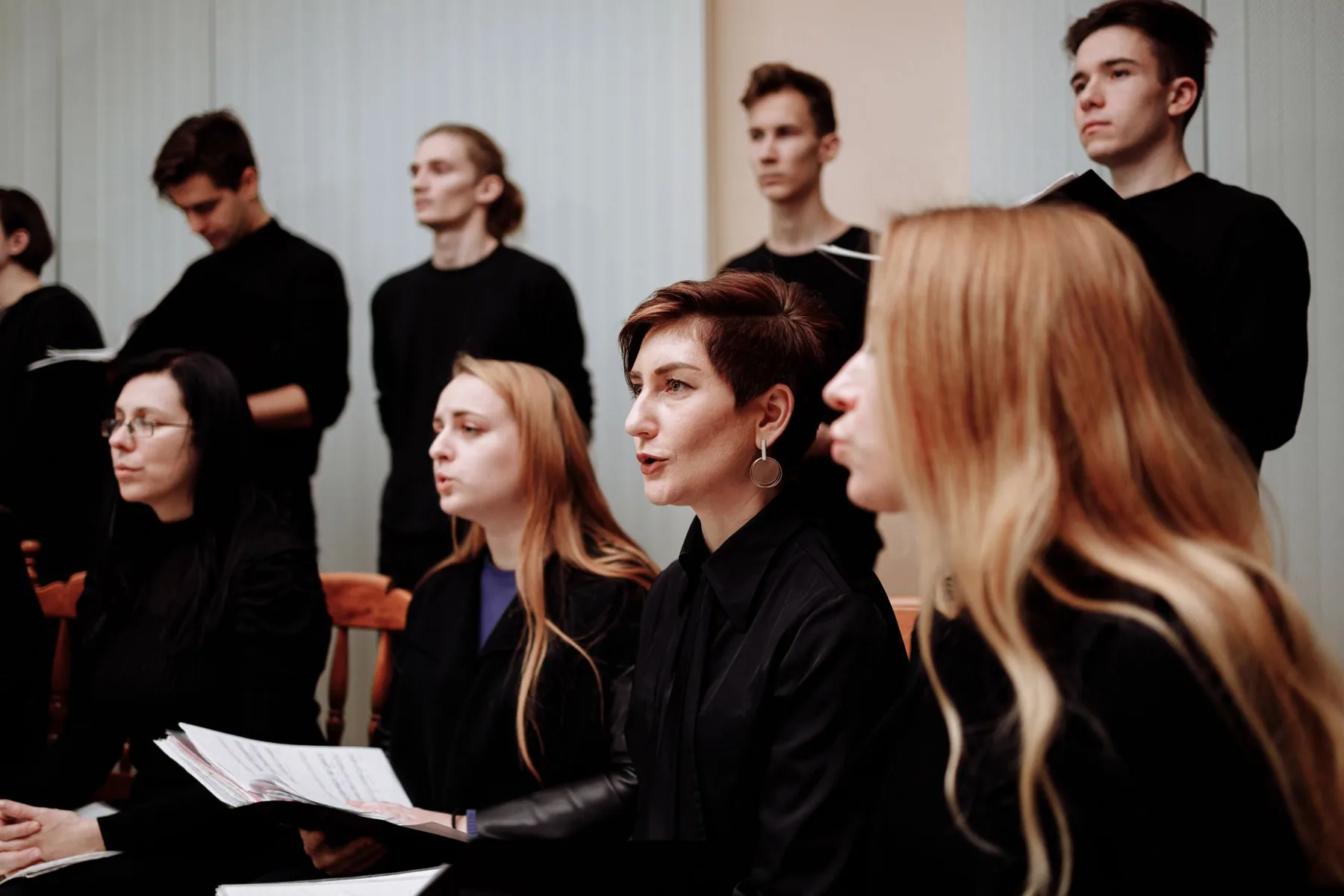
The aim of this guide is to help anyone starting to sing find a suitable choir, understand levels, possible auditions and places to practise.
A first experience of choral singing reveals singing as a living, collective art. It helps you develop your vocal practice gently and experience your first public concerts with confidence.
We clarify the terminology: chorale, choir, ensemble, and present a service-directory approach to bring together organizations, useful filters and key contacts.
Step-by-step approach: identify your level, choose an accessible repertoire, and look for a supportive setting with no technical prerequisites. The guide covers Île-de-France, nonprofit options, conservatories and ensembles, to help limit travel.
Before getting started, check availability, terms and costs, then schedule a trial session. Progression toward concerts happens naturally: introductory rehearsals, a first program, then more ambitious works.
For concrete leads and a suggested timetable, see in particular the Schola Cantorum, which offers adult ensembles and a varied repertoire.
Why a Directory of Beginner Choirs in Paris Is Useful Today
Finding the right vocal group can take time without an up-to-date guide. A directory brings scattered options together and helps you quickly identify the choirs that match your level.
It specifies the missions and profiles of the organizations: repertoire, audition procedures, practice venues and time slots. This avoids fruitless enquiries and saves time.
Filters make it possible to identify introductory workshops, open rehearsals or “first steps” pathways. They make it easier to contact choir directors and teaching teams.
The guide also follows initiatives in music and creation, highlights key moments for young people and adults, and recalls the importance of shared art.
| Type | Workshops | Practical information |
|---|---|---|
| Local association | Discovery, open rehearsals | Low fees, local access |
| Conservatory | Courses, advanced training | Stable calendar, registration |
| Professional ensemble | Creative projects | Auditions, occasional schedule |
Tip: use the directory as a starting point, then contact the organization directly for a trial.
Finding Your Choir in Paris: Essential Filters and Criteria for Beginners
Finding a nearby choir makes it easier to balance personal life and musical practice. Start by refining your search by department, arrondissement or town.
Location and accessibility: prioritize a venue served by the metro or RER. Also check accessibility for people with reduced mobility and schedules that fit your timetable.
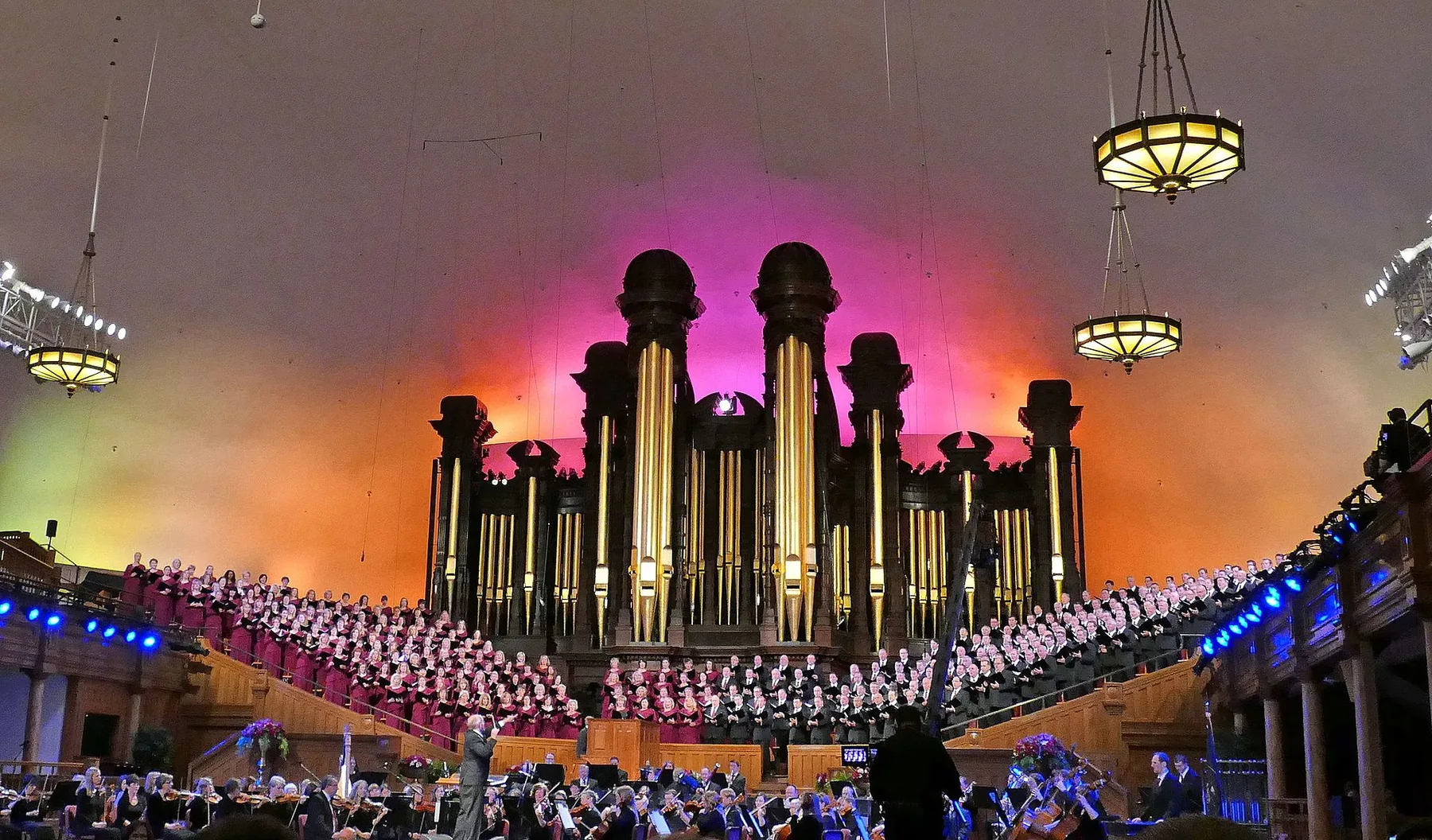
Types of groups
Choose according to the format: children, women’s, men’s or mixed choir. The format influences vocal range, vocal color and group dynamics.
Repertoire and style
Define the musical direction: mainly classical, chanson, vocal jazz, gospel or eclectic repertoire. A motivating repertoire helps you progress quickly.
Level and audition
Look for options without auditions if you are a beginner. Light auditions are mainly used to identify your vocal range. More demanding choirs will require greater independence and music-reading ability.
Rehearsal pace and venues
Compare time slots: weekday evenings or weekend workshops. Venues vary: associations, conservatories, youth and cultural centers or parishes. Check the trial period, section availability and terms: membership fee, scores.
- Use several keywords in the directory: “arrondissement + repertoire + level”.
- Attend an open rehearsal to assess the direction and teaching atmosphere.
- Take notes on your trials so you can compare before committing.
Addresses and Organizations to Know: Associations and Ensembles in Île-de-France
Discover the networks and venues that support collective practice in Île-de-France.
Pôle À Cœur Joie Île-de-France is a key association that brings together ensembles and promotes choral singing. Its missions: outreach, training, partnerships and support for creation.
The hub acts as a recognized contact for local authorities and the DRAC. It facilitates networking between associations, conservatories and local organizations.
Hub: actions and benefits
Cross-cutting actions: intergenerational pathways, courses and heritage-related synergies.
Benefit: identifying reliable initiatives and entry pathways for newcomers.
Chœur Régional des Jeunes (CRJ)
Created in September 2022, the CRJ brings together 28 amateur choristers aged 18 to 35. Recruitment is by audition.
Work takes place in sessions and on weekends, with concerts in France and an a cappella contemporary music repertoire accompanied by a jazz trio: piano, bass, drums.
Practical tip: use a keyword directory
- Combine age, level, style, for example vocal jazz, and location.
- Contact associations to find out about available places, fees and additional training.
- Prioritize organizations where directors, trainers and ensembles work together for lasting progress.
From Beginner to Advanced: Examples of Choirs and Levels
Vocal pathways offer clear stages. They range from broad access to highly targeted projects.
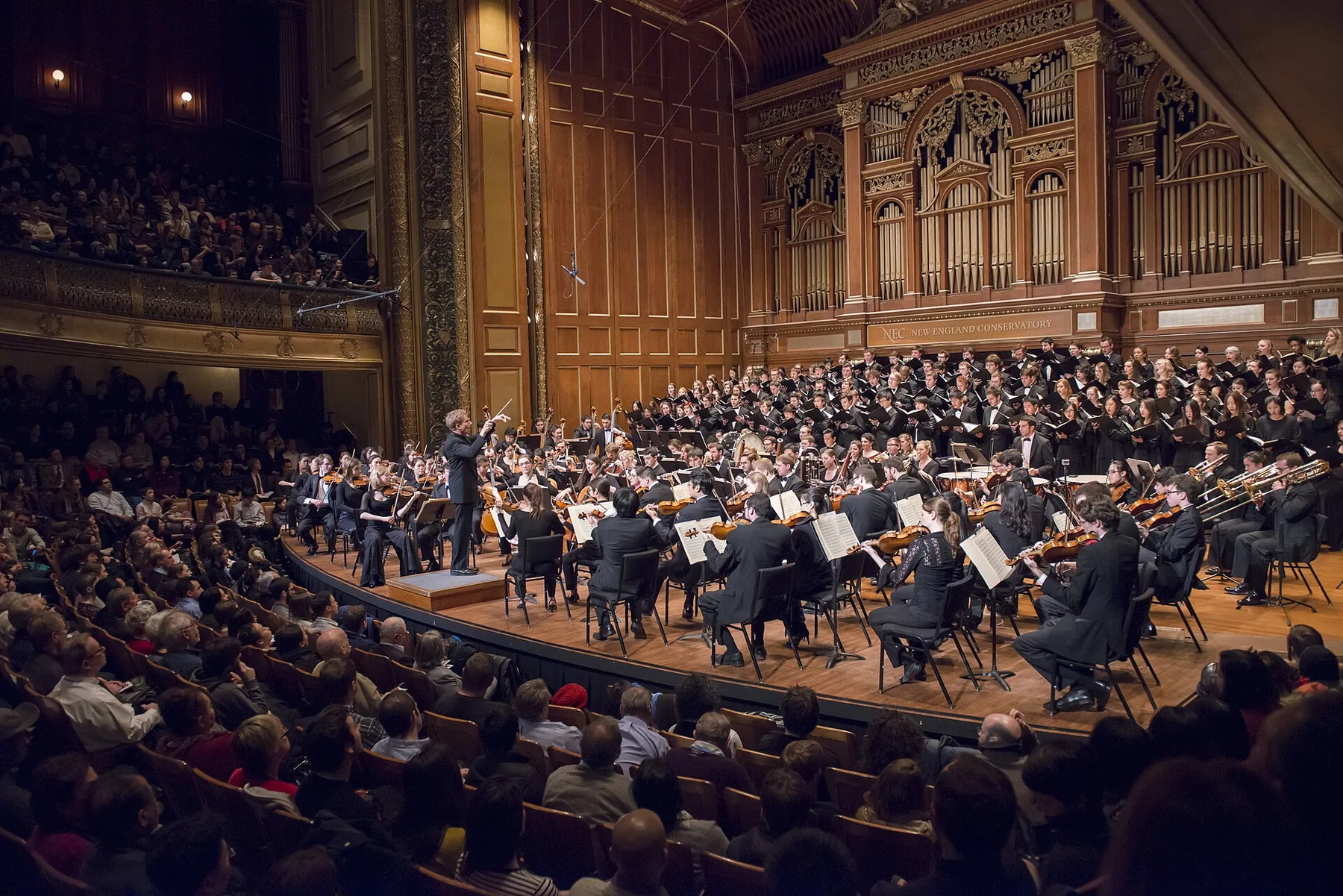
Choir for beginners
This group brings together around 130 choristers. It does not require music theory and encourages step-by-step progress.
Leaders: Jacqueline Renouvin, accompanied by Camille Taver. One or two major works are studied each year.
The pathway includes an annual concert at the Church of La Trinité with soloists and orchestra. It is a genuinely motivating milestone.
Advanced choir
About 140 people take part. Under the direction of Matthieu Stefanelli, sight-reading independence develops through musical work tools.
The first part of the rehearsal is guided, then the accompaniment helps refine vocal technique and interpretation.
Small choir
Limited size: 30 people maximum. Selection by audition, demanding entry and intensive work.
The group works during the first half of the session, from 7:30 p.m. to 8:45 p.m., before joining the advanced choir. Mastery of both programs is essential. Singing lessons are recommended.
| Level | Size | Focus | Goal |
|---|---|---|---|
| Beginner | ~130 | Welcome, progression | Annual concert at La Trinité |
| Advanced | ~140 | Independence, interpretation | Refine vocal technique |
| Small choir | 30 maximum | Selection, targeted project | Festivals, specialized concerts |
Pathway logic: start in the welcoming group, gain independence, then try the smaller ensemble for demanding projects. Regular work and shared passion remain the keys to progress.
Rehearsals, Calendar and Ticketing: What You Need to Know Right Now
Even when there are no announcements, the season is being prepared through daily practice.
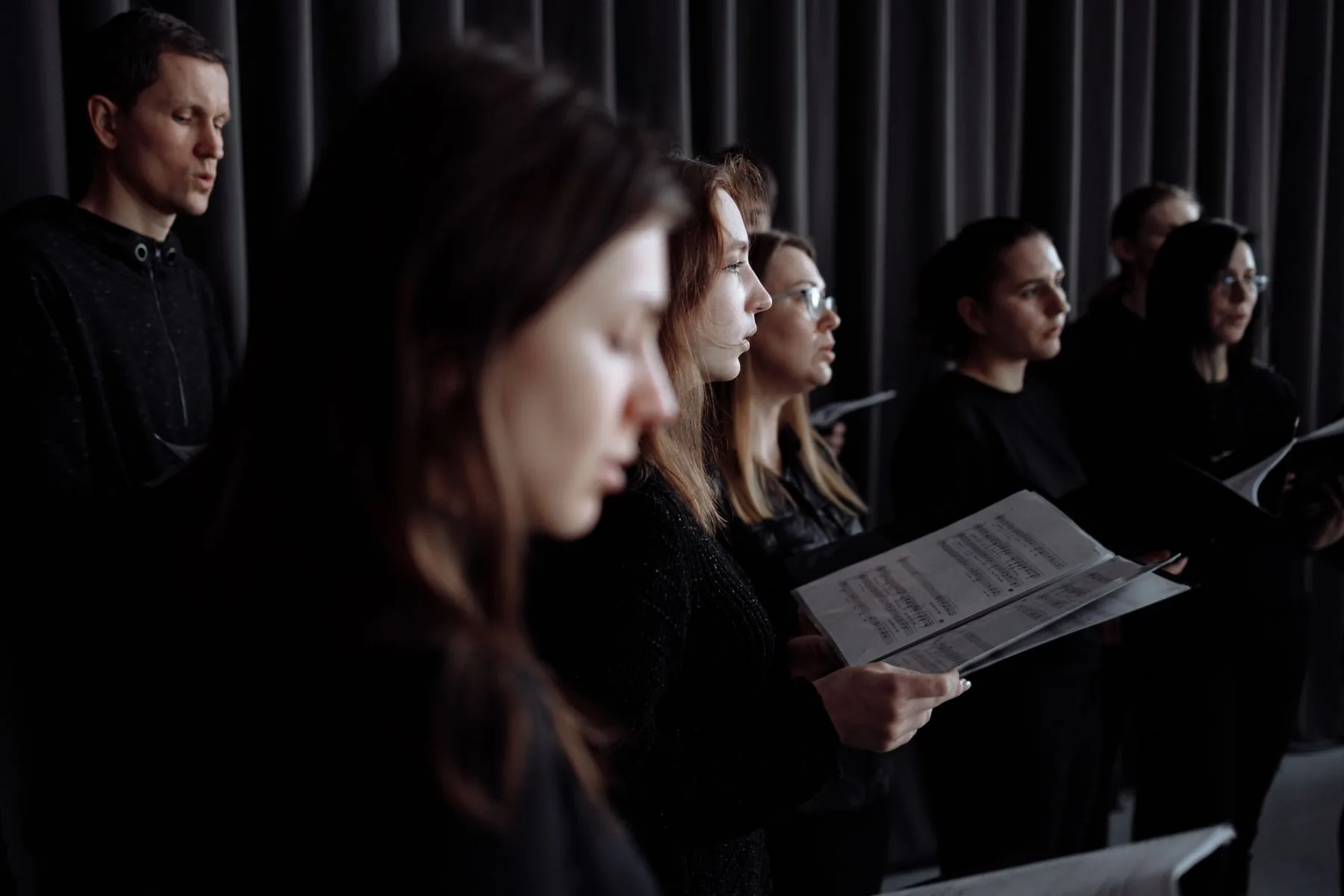
Current calendar
Several calendars currently display “no upcoming concerts” and “no upcoming workshops”.
Tip: subscribe to newsletters and regularly check organization pages. Announcements may appear at short notice.
How a typical rehearsal is organized
The session begins with a vocal warm-up, followed by guided sight-reading work.
The first part sets the voices, the second brings everything together, often with piano accompaniment.
Ask your section leader about the week’s priorities so you can arrive with a more precise goal.
Ticketing and end-of-year concerts
The season may culminate in June with a concert with soloists and orchestra, such as the annual concert at the Church of La Trinité.
Check ticketing procedures and family invitations if you are taking part.
“Regular attendance at rehearsals remains the driving force behind collective progress.”
- Take advantage of opening periods, in September and June, to attend a trial rehearsal.
- Keep a rehearsal notebook: tempi, dynamics, difficulties; it helps with individual work between sessions.
- Plan the venue and transportation in advance to preserve your energy and attendance.
Vocal Technique for Beginner Choristers: Basics and Tools
Mastering a few vocal basics immediately changes the quality of group work.
Breath, placement, pitch accuracy: first reference points
Low breathing: inhale through the lower chest without tension. Control the airflow to support the phrase without forcing.
Placement: look for the sensation of support and open vowels. Clear articulation helps the choir sound uniform.
Pitch accuracy: stabilize the voice through steady production and listening to neighboring sections. The collective ear corrects pitch.

Learning tools: guided sight-reading and audio resources
A simple warm-up routine: stretches, controlled breathing, gentle sirens, then progressive scales. 10 to 15 minutes at home is enough.
Guided sight-reading is practised by voice part, with simple rhythmic cues. Section recordings and videos help with memorization without music theory.
Advice: use shared online resources and sign up for short training courses, workshops or courses to gain precision.
| Goal | Exercise | Recommended duration |
|---|---|---|
| Breath | Diaphragmatic inhalation + controlled exhalation | 3 to 5 min |
| Placement | Open vowels and gentle sirens | 4 to 6 min |
| Memorization | Section listening + vocal playback | 5 to 10 min |
Stay hydrated, keep good posture and ask the director for feedback so you can correct quickly. Technique serves art: dynamics, phrasing and intention give meaning to singing.
Styles and Repertoires to Explore in a Choir
The choice of repertoire shapes an ensemble’s identity and the singers’ engagement.
Mainly classical repertoire and major works
Sacred works and opera choruses train the ear and structure practice. They develop rhythmic precision, pitch accuracy and line control.
Vocal jazz and eclecticism
Jazz brings rhythm, harmonic colors and swing. Pierre-Gérard Verny, a specialist in vocal jazz, illustrates this teaching approach through polyphonic arrangements.
The CRJ combines a cappella contemporary music with trio accompaniment: piano, bass, drums, which enriches rhythmic listening.
Gospel, chanson and new works
Gospel brings out collective energy, call-and-response and precise diction. Arranged songs offer clear forms, ideal for making quick progress.
Tip: alternate accessible pieces and challenges to keep motivation high and nourish creation.
| Style | Teaching benefit | Practical example |
|---|---|---|
| Classical | Vocal control, phonation | Motets, opera excerpts |
| Vocal jazz | Rhythm, harmony, swing | Polyphonic arrangements, jazz trio |
| Gospel | Collective energy, diction | Spirituals, call-and-response |
Young People, Children and Intergenerational Groups: Where to Sing According to Your Age
A well-targeted group offers a safe setting in which to learn, sing and perform.
For children, look for local children’s choirs or choir schools. These groups offer playful, progressive teaching. Vocal load is measured and adapted.
Options for 18- to 35-year-olds include intensive projects. The Chœur Régional des Jeunes brings together 28 amateur choristers aged 18 to 35. Recruitment is by audition. Work takes place in sessions and on weekends, with concerts in France and a contemporary music repertoire.
Intergenerational ensembles encourage transmission and age diversity. They are well suited to families and adults returning to vocal practice. An association offering several sections makes it easier to move between age groups.
- Check the target age and audition policy before applying.
- Observe a rehearsal to assess the supervision and average level.
- Regional networks increase the number of courses and meetings for young people.
Practice evolves over time: motivating repertoires for students, flexible schedules for working adults. Enjoyment and regularity remain the drivers of progress and long-term commitment.
Female Directors, Male Directors and Supervision: Who Leads Parisian Choirs
A good director turns a collection of voices into a coherent, living sound.
The role of directors goes far beyond conducting gestures. They build timbre, choose tempi and give technical instructions that protect the voice.
Profiles such as Pierre-Gérard Verny (vocal jazz, arrangements) or Pierre Calmelet (Madrigal de Paris) enrich the repertoire through their expertise. Camille Coillet-Barthés, Perrine Sauvage and others work in conservatories to support teaching transitions.
Musical advice and expertise
Arranging expertise makes it possible to adapt a piece to the group’s actual level. This maintains artistic standards without discouraging members.
Direction and accompaniment
Direction and instrumental support, on piano or strings, help intonation and rhythm. Good coordination between director and accompanist reassures the singer.
“Clear instructions and the director’s kindness determine the pleasure of singing.”
| Role | Key skill | Impact for the choir |
|---|---|---|
| Choir director | Direction, teaching | Sound building, vocal safety |
| Arranger / composer | Adaptation, creation | Accessible and demanding repertoire |
| Accompanist | Rhythmic and tonal support | Helps intonation, stability |
Tip: attend a rehearsal to observe the director-chorister relationship. Ask questions: clarity of instructions, section management, technical feedback.
Conservatories, Associations and Places to Practise
Conservatories and associations form the practical foundation for anyone who wants to sing in a group.
Role of conservatories: they offer a structured teaching framework, regular schedules and connections with other music classes. Camille Coillet-Barthés works as a choral singing teacher at the Noisy-le-Grand and Romainville conservatories, ensuring progression adapted to different levels.
Local organizations and networks
Pôle À Cœur Joie Île-de-France brings together association-based stakeholders and offers activities and training in partnership with À Cœur Joie France.
Associations connect local choirs. They make it easier to access courses, short workshops and creative projects.
- Choose the venue according to transportation, schedules and accessibility to maintain regular attendance.
- Check registrations, often at the start of the school year, audition procedures, costs and score lending.
- Contact offices for trial sessions, waiting lists and guidance toward the right level.
Tip: combine a one-off workshop with weekly practice to consolidate technique before the June concerts.
Beginner Choirs in Paris: Addresses and Tips
Joining a vocal ensemble starts with identifying the right level.
You can begin with no prerequisites: gentle progress, one or two works studied per year. The welcoming group helps you gain confidence and learn collective pitch accuracy.
Choosing your level
Beginner: no technical requirement, teaching support. Advanced: sight-reading independence and interpretation. Small choir: audition, limited numbers and higher standards.
Joining at the right time
Registrations are concentrated in September. In June, some organizations open pre-registrations or hold information meetings.
Prepare a short audition if requested and attend a trial session before committing.
Building your practice
Build a routine: regular rehearsals, a short weekly review, listening to audio support materials. Take part in courses and workshops to work on breath, rhythm and diction.
Vary the repertoire: a gospel piece or a chanson builds confidence. Set concerts as a goal, sometimes with orchestra and soloists, and assess your progress after one quarter.
- Action plan: contact two or three organizations, request a trial, prepare for any audition, confirm quickly.
- Prioritize proximity and regular rehearsals to maintain motivation.
How to Apply and Be Recruited According to Your Level
Preparing for an audition requires method and a few simple habits. Start by identifying the type of test: from a short vocal interview (pitch accuracy, range) to structured auditions with a prepared excerpt and guided reading.
Practical preparation: warm up, choose a short piece suited to your range, listen to section tracks and work on difficult passages to show your musicality.
The director and committee assess potential, listening skills and commitment. They guide candidates toward the most suitable level: no audition for some welcoming groups, a light audition for advanced groups, strict selection for the small choir, with mastery of the program required.
- If you are unsure, apply one level lower to secure entry, then follow the training offered.
- The first part of a rehearsal often serves as observation: punctuality, concentration and quick memorization matter.
- Always ask for feedback if you are not accepted: points to work on and paths for progress.
Recommended weekly work: 10 to 15 focused minutes to maintain what you have learned. Emphasize your motivation, availability and team spirit: these qualities count as much as technique.
“A prepared application shows your seriousness; progress comes with regularity.”
Conclusion
This final look is intended to help you take the leap: try a rehearsal, target an accessible choir, then register at the right time.
Choral singing remains a collective art open to everyone. It improves vocal technique and musicality while offering shared enjoyment.
The Île-de-France ecosystem, associations, conservatories and ensembles, fulfills missions of discovery and support. Networks make meetings, creation and seasonal projects easier.
Plan the year: registrations are often in September, reviews and concerts around June. Young people find dynamic pathways, and major concerts with orchestra are sometimes shared.
Take action: contact two organizations, book a trial session, start a first quarter. Choose with your heart, progress step by step and savor ensemble music, measure by measure.