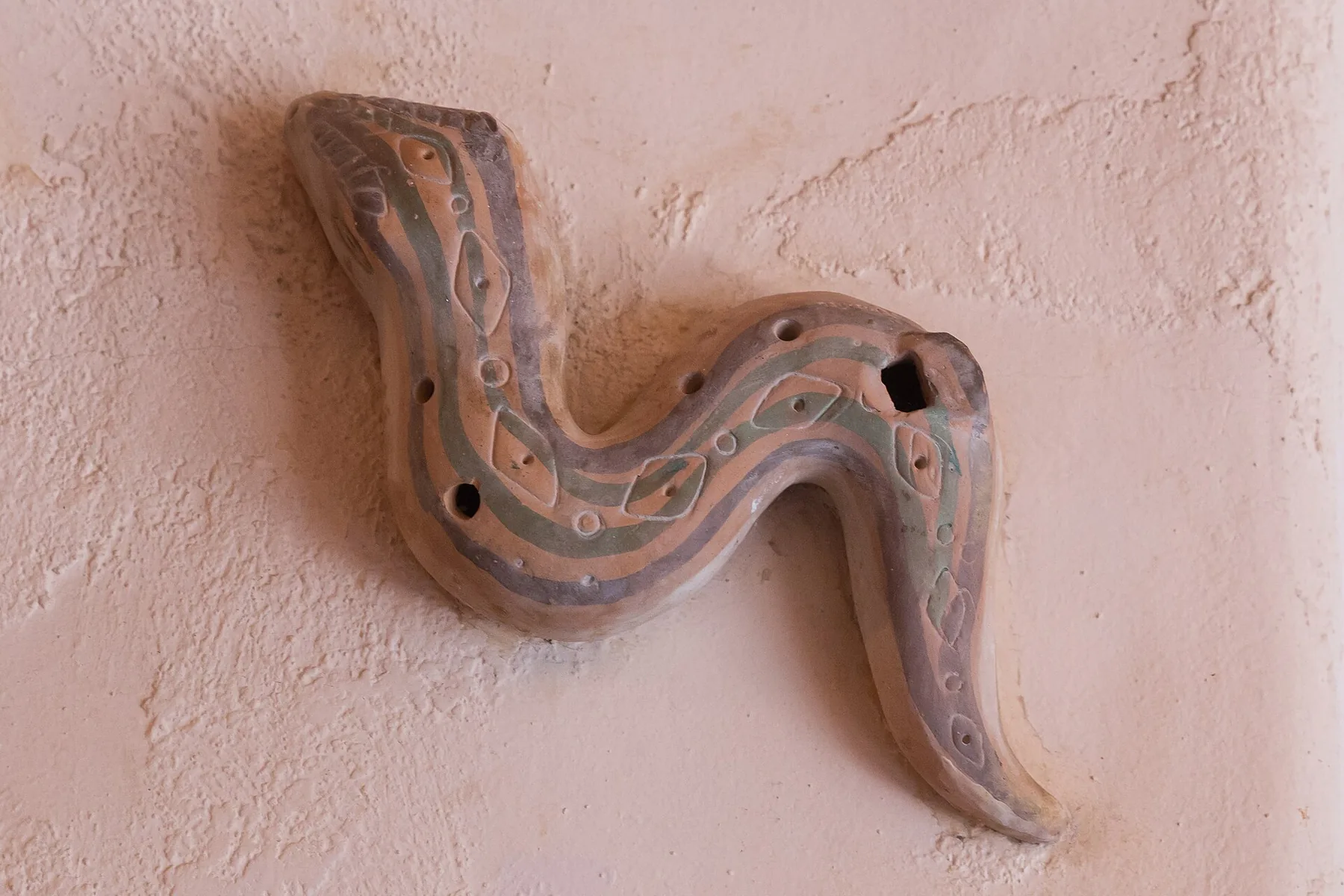
Welcome to the fascinating world of the ocarina, an ancient wind instrument that appeals to many musicians. This article focuses on the 12-hole model, which is ideal for beginners. With it, you can explore an extended range made up of natural notes and accidentals.
It is essential to understand how this instrument works. By covering or uncovering the holes with your fingers, you produce melodic sounds. This guide will teach you the basics of fingerings and notes so you can start playing quickly.
To choose a good ocarina, look for specialized online retailers. This helps ensure you get a quality instrument, far from the unreliable models often found on general marketplaces. You will also discover simple songs to play, along with sheet music and tablatures that will make learning easier.
1. Overview and Choosing a 12-Hole Ocarina
Exploring the world of ocarinas can be exciting. This wind instrument comes in several models, each with its own specific features. For beginners, it is crucial to make an informed choice.
Types and Models of Ocarinas
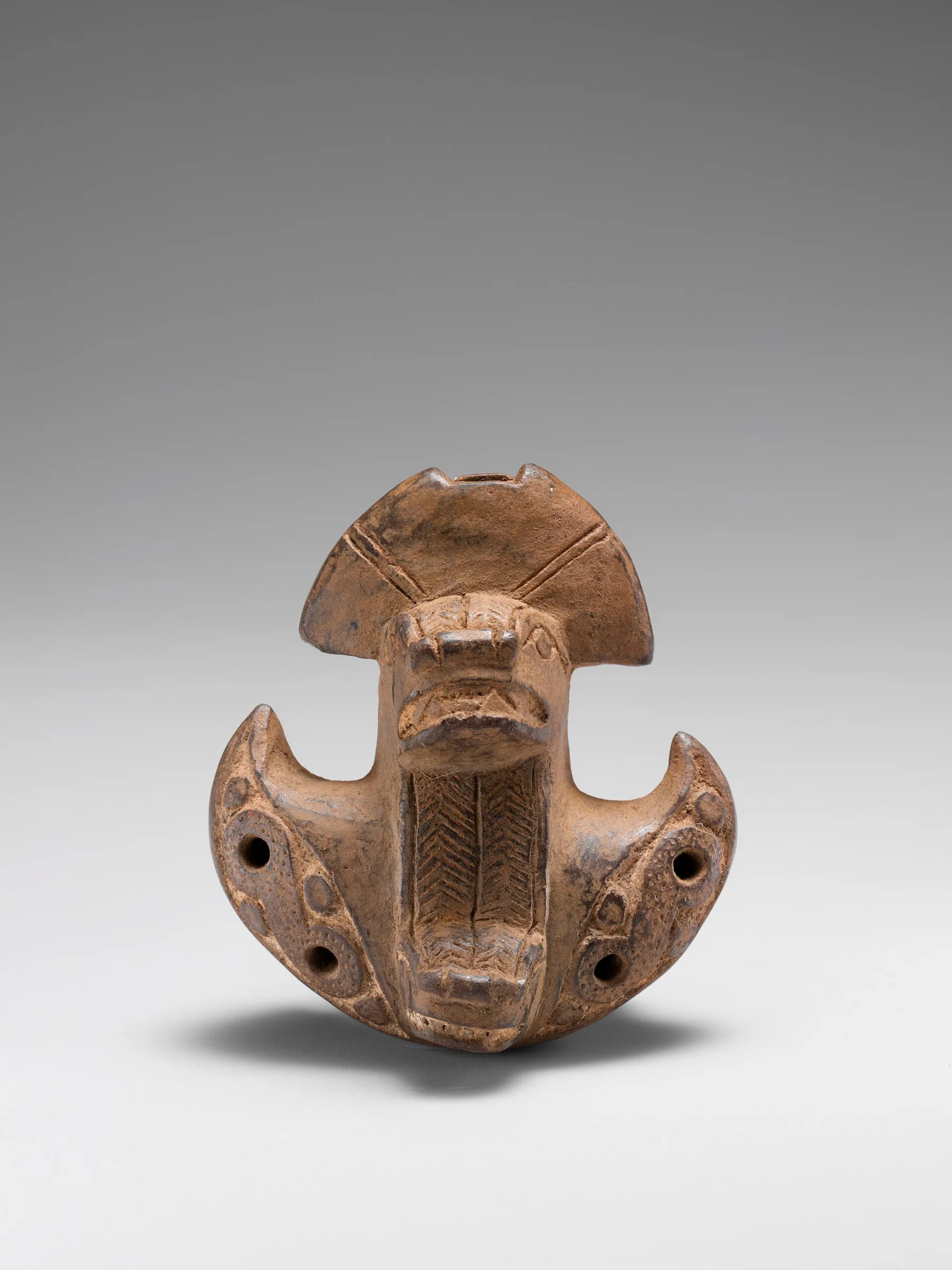
There are mainly two major families of ocarinas: the transverse model and the pendant model. The transverse ocarina, with its 10 to 12 holes, offers a progressive fingering system. This means you lift your fingers in a precise order to move up the scale.
By contrast, the pendant model, which has 4 to 6 holes, requires you to memorize fingering combinations. For beginners, the transverse model is often recommended because it is more intuitive.
Materials: Ceramic, Plastic, and Their Advantages
Ocarinas are mainly made from ceramic or plastic. Ceramic models produce a warmer and more authentic sound. However, they are also more fragile.
Plastic ocarinas, on the other hand, are sturdy and affordable. They are easy to clean and withstand drops better. Nevertheless, they can sometimes look more like toys and may accumulate condensation after a certain amount of playing time.
Tips for Choosing a Beginner-Friendly Ocarina
When choosing a first ocarina, it is best to turn to specialized retailers. Avoid general marketplaces, as they often offer lower-quality models. A budget of around 50 euros is reasonable for an instrument of decent quality.
The 12-hole alto transverse model in C is the most recommended. It allows you to play a wide range of notes and gives you easy access to online learning resources.
It is also important to check the names used by retailers. Some may refer to the same type of ocarina by different names. So focus on the key, tuning accuracy, and sound quality rather than the commercial name alone.
Finally, remember that your choice of instrument directly affects how much you enjoy learning. A good, well-tuned ocarina will motivate you to practice regularly.
2. Understanding the Notes and Holes of the Ocarina
Understanding the basics of a wind instrument such as the ocarina is essential for any aspiring musician. For a 12-hole model, it is crucial to name and memorize each hole. Holding the instrument as if you were going to play, you can identify the upper holes from left to right, as well as the lower holes operated by the thumbs.
Naming and Memorizing the Holes
A marking system that uses numbers for the main holes and thumb holes makes fingerings easier to read. On a tablature, a filled circle generally indicates a covered hole, while an empty circle indicates an open hole. Depending on the method used, fingerings may vary slightly, so you should always refer to the chart provided with your instrument.
How the Holes Produce Notes
The magic of this instrument lies in the way covering or uncovering the holes changes the air column. This produces different notes of the scale. In general, the more holes you uncover, the higher the note produced, and vice versa. This principle is fundamental to playing the ocarina.
Musical Notation and Symbols Used
Standard musical notation and ocarina-specific tablatures are complementary tools for learning to play songs. These resources help you visually recognize the hole combinations for each note, starting with the natural notes of the C major scale.
It is important to understand that memorizing finger positions is an unavoidable step before you can play complete melodies. Use simple hole-naming exercises to anchor these reference points in your muscle and visual memory.
In short, this stage of theoretical understanding is crucial for approaching more complex fingerings, including accidentals, with confidence. This means every musician should spend time on it in order to progress effectively.
3. Fingerings for Playing a 12-Hole Ocarina
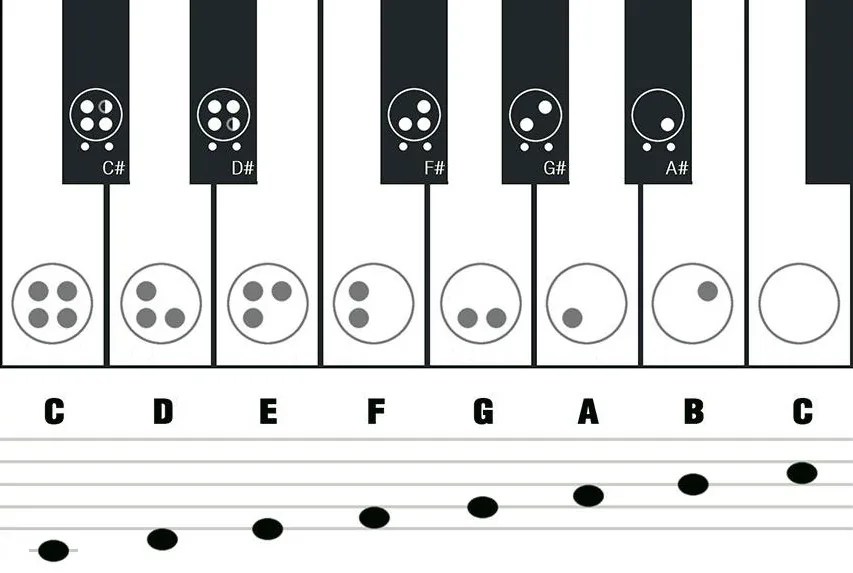
Mastering fingerings is essential to getting the most out of this instrument. Each finger combination lets you produce different notes and explore a variety of melodies. Here is an overview of the basic fingerings for the seven main notes of the C major scale.
Basic Fingering for the Main Notes
The fingerings for playing the main notes are as follows:
| Note | Fingering |
|---|---|
| C | Basic position shown on your ocarina chart |
| D | D fingering shown on your ocarina chart |
| E | E fingering shown on your ocarina chart |
| F | F fingering shown on your ocarina chart |
| G | G fingering shown on your ocarina chart |
| A | A fingering shown on your ocarina chart |
| B | B fingering shown on your ocarina chart |
| High C | High C fingering shown on your ocarina chart |
Using the Two Extra Holes for Accidentals
The two extra small holes, often called sub-holes, are mainly used to extend the range downward and refine certain fingerings. Accidentals, such as sharps and flats, are played with precise combinations of open holes, covered holes, and sometimes half-holes, depending on the ocarina model.
For example, to play a C# or a Db, do not rely on a single rule that applies to every instrument. Consult the fingering chart for your model, then practice slowly so the transition between notes remains accurate and steady.
Practical Fingering Examples for Sharp and Flat Notes
Here are a few examples of altered notes to work on in order to broaden your repertoire:
- C# / Db: follow the fingering shown on your ocarina chart.
- D# / Eb: check the combination specific to your model.
- F# / Gb: work slowly on tuning accuracy before speeding up.
- G# / Ab: control breath stability during the fingering change.
- A# / Bb: compare your sound to an accurate reference, such as a tuner.
By practicing these fingerings, you will develop your ability to play varied melodies. Remember that regular practice is the key to mastering this instrument.
To deepen your knowledge, consult fingering charts available online or in specialized methods. This will help you check your positions and progress more quickly as you learn this instrument. For more information, visit this guide dedicated to basic ocarina techniques.
4. Learning Basic Scales on the 12-Hole Ocarina
To master this instrument, it is essential to start with scales. The C major scale is played like this: C-D-E-F-G-A-B-C. This fundamental exercise will help you build the foundation you need to progress.
Exercise for Playing Scales Up and Down
It is crucial to practice going up and down this scale slowly at first. Focus on memorizing finger positions rather than speed. Here are a few tips to help you:
- Start by learning the C major scale, ascending and then descending.
- Practice slowly, paying attention to the accuracy of each note.
- Use regular repetition to anchor the fingerings in your muscle memory.
Gradual Memorization of Finger Positions
Memorizing finger positions is a key part of your learning. Each finger combination produces a specific note. Here is how to proceed:
- Identify the notes produced by each fingering.
- Practice specific exercises, such as the one using the notes B, A, and G, to make your fingers more flexible.
- Try to play this exercise in under 15 seconds to check your progress.
The Importance of Rhythm and Speed in Practice
Rhythm plays an essential role in your practice. When playing regularly, you should keep equal durations for each note. Remember to:
- Gradually increase your playing speed as your fingerings become natural.
- Vary the exercises by transposing them to other groups of three notes to develop your agility.
- Set aside dedicated time for scale practice during each training session.
By mastering these elements, you will be well on your way to becoming a competent player. To deepen your knowledge, feel free to consult online resources, such as this tutorial for learning to play the ocarina.
5. 12-Hole Ocarina: Notes, Fingerings, and Easy Songs to Play
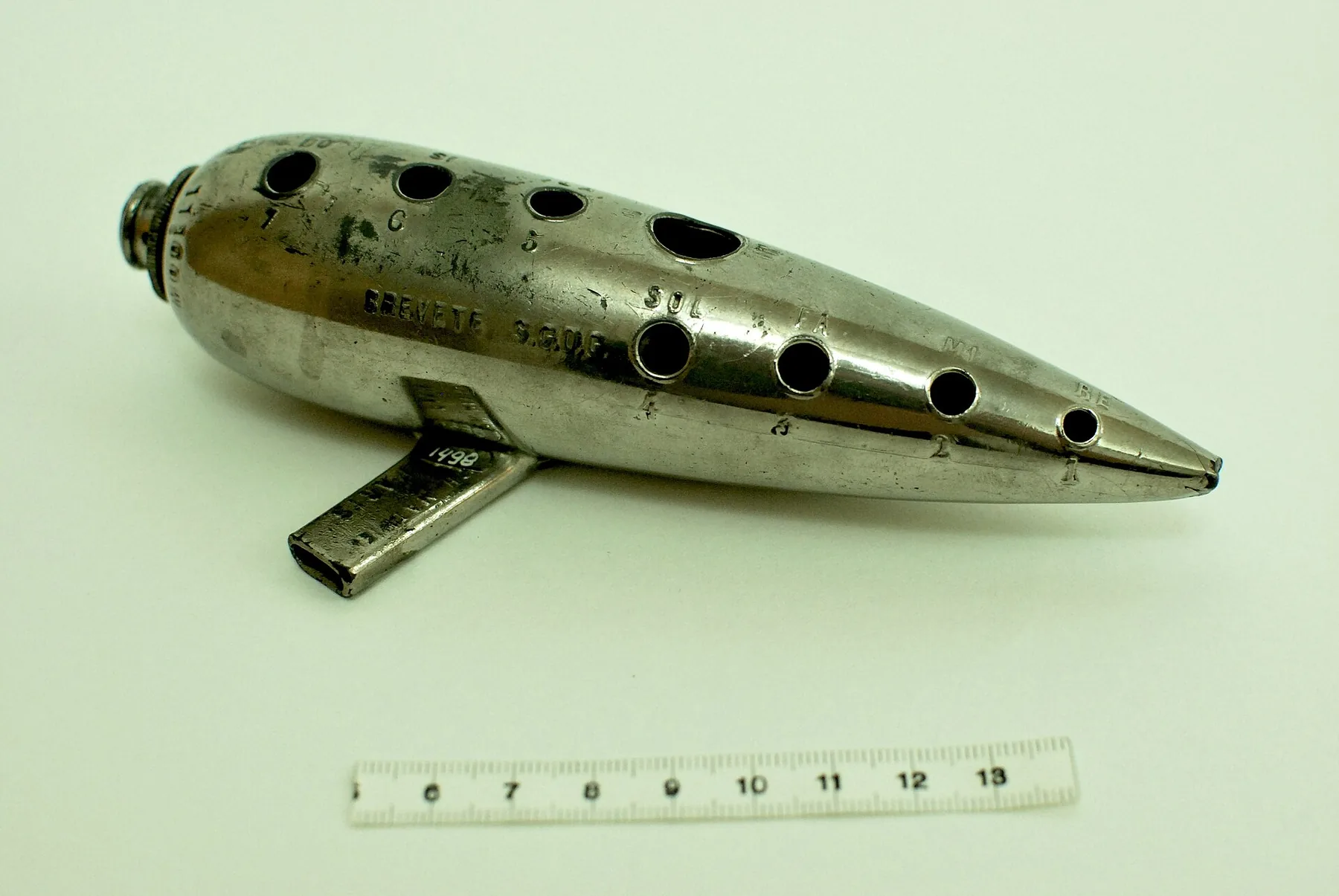
Discovering the world of sheet music and tablatures for this instrument is a key step for any beginner musician. These tools are designed to simplify learning by offering visual representations of the holes to cover. Thanks to this, it becomes easier to play melodies quickly.
Introduction to Dedicated Sheet Music and Tablatures
Sheet music and tablatures adapted for the ocarina are often based on visual notation systems. This makes it easy to clearly see which holes to operate. You can find sheet music for favorite songs in specialized books or online. In addition, many community platforms offer the possibility to create and share your own tablatures.
Simple Example and Practical Exercise for Getting Started
An excellent exercise for beginners is Aeryn’s exercise, which uses only three notes: B, A, and G. This exercise works on both fingerings and tablature reading. It is advisable to start slowly, then gradually speed up to improve your fluency.
| Note | Fingering |
|---|---|
| B | B fingering shown on your ocarina chart |
| A | A fingering shown on your ocarina chart |
| G | G fingering shown on your ocarina chart |
Online Resources for Finding Suitable Songs
There are thousands of community-created tablatures for easily learning to play varied music, such as pieces from Zelda, video games, and Celtic music. These online resources are ideal for finding songs suited to your level. By exploring these platforms, you can also share your own creations with other enthusiasts.
In short, regularly practicing simple songs is the best way to strengthen your fingering and note-reading skills. Feel free to consult books and methods that offer progressive sheet music for ocarina so you can improve step by step.
6. Practical Tips for Getting Started with a 12-Hole Ocarina
To get started well, it is essential to apply practical recommendations when using this instrument. This will help you produce a clear and accurate sound while preserving your instrument.
Posture and Embouchure: Positioning Your Breath Correctly
Good posture is crucial. Adopt an upright and relaxed position, with your shoulders low. This supports full breathing and optimal breath control.
Position the mouthpiece between your lips without biting it or pushing it in too far. This allows the air to circulate freely, which is essential for producing a clear sound.
It is important to understand that breath pressure must vary depending on the notes. A gentle, steady breath is needed for low notes, while a more supported breath is required for high notes.
Care and Maintenance of the Instrument
To preserve your instrument, here are a few essential care steps:
- Clean the mouthpiece after each use.
- Store the ocarina in a protective case.
- Avoid sudden temperature changes.
Cleaning methods depend on the material. For a ceramic ocarina, use a soft cloth. For a plastic model, wash it with soapy water, then dry it thoroughly.
Regular Exercises to Loosen the Fingers and Improve the Sound
Include finger-loosening exercises in your routine. For example, the exercise using the notes B, A, and G is very effective. This helps you gain agility and precision.
Working on sound quality is also essential. Practice long, stable notes, focusing on steady breath and the absence of unwanted vibrations.
Plan short but frequent practice sessions. Regularity is the key to progressing quickly and building good habits.
Use a metronome to work on rhythm and steadiness, even during the simplest exercises. Joining online communities of ocarina players can also enrich your experience. You will be able to exchange tips and share your progress with other enthusiasts.
7. Conclusion
Learning the ocarina opens the door to a rich and captivating musical world. In this article, we explored how to choose an instrument suited to beginners, as well as how to understand holes and fingerings. Mastering these elements is essential for playing melodies with ease.
It is crucial to practice scales regularly and do finger-loosening exercises. This will allow you to progress quickly. Sheet music and tablatures are also valuable tools for discovering a variety of songs, ranging from video game music to popular songs.
We encourage you to explore online resources and join player communities. This will help you find sheet music suited to your level. Remember that sound quality depends on your fingering, breath, and posture.
Finally, persevere in your learning. Each small victory will bring you closer to your goal. To deepen your knowledge of reading sheet music, consult this guide to reading sheet music for ocarina.
Remember that the ocarina is an accessible and rewarding instrument, capable of producing moving melodies. Invest time and passion, and you will discover the pleasure of playing.