
The double ocarina represents an exciting step forward for musicians who want to explore new sound dimensions. This wind instrument, equipped with two chambers, can reach an extended range and therefore offers a richer palette of notes than a classic 12-hole model.
For intermediate and advanced musicians, this instrument opens up new creative possibilities. It makes more complex musical transitions easier and broadens the repertoire. In this article, we will guide you through the different aspects of the double ocarina, including chamber choice, fingering systems and the materials used.
Choosing an ocarina from recognized makers, such as STL Ocarina or Musique de Terre, is essential to ensure good sound quality. This article is intended for both beginners and experienced musicians, with a practical, comparative approach based on real user feedback.
Introduction to the double ocarina: history and basic principles
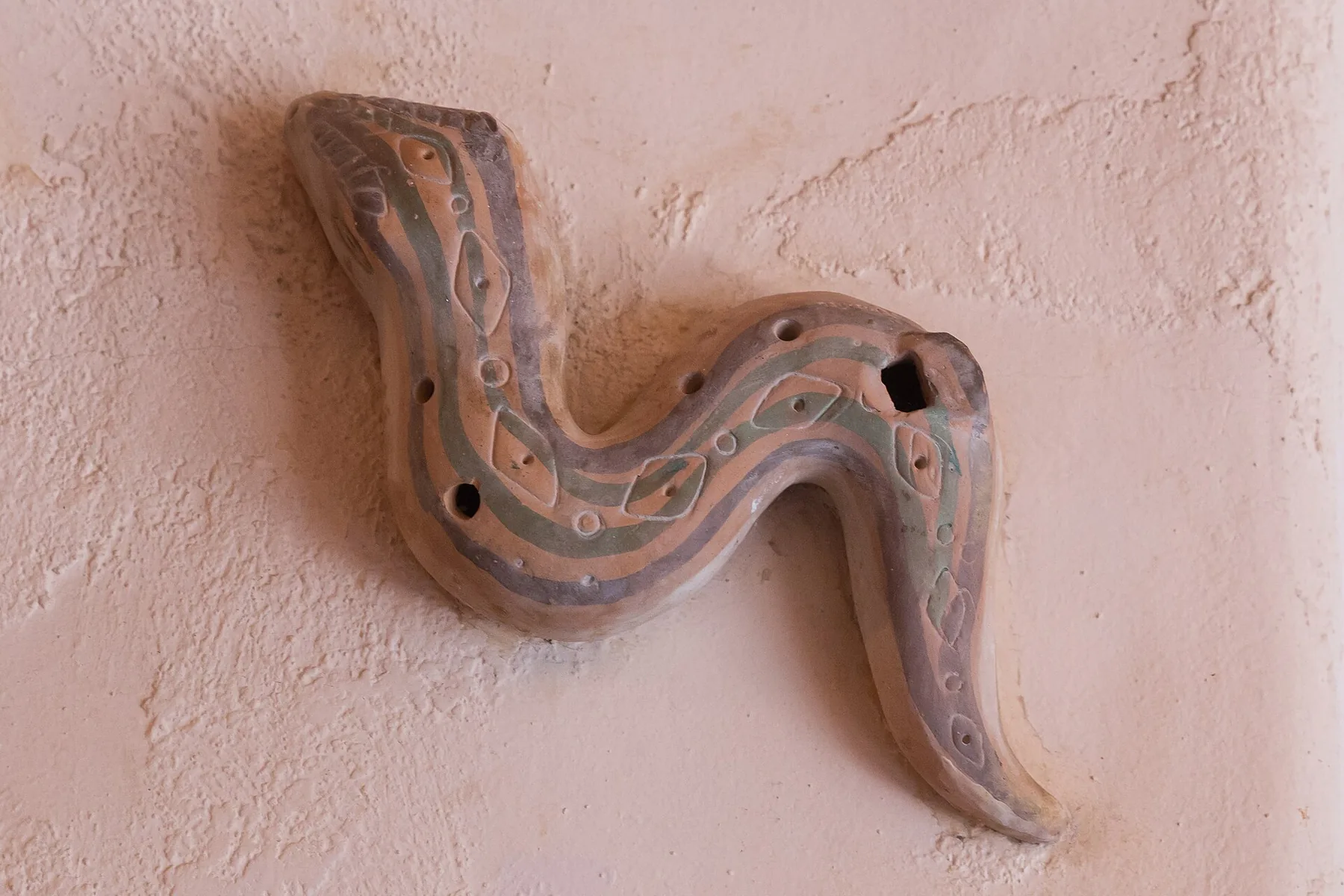
With a history stretching back 12,000 years, this instrument has crossed ages and cultures. The ocarina is deeply rooted in several traditions, especially in China and in Mesoamerican civilizations. Originally, it was made from natural materials such as fruit shells or clay depending on the region, before evolving into terracotta forms in America and porcelain forms in China.
Over time, the design of this instrument changed. It first existed with a limited number of holes, then adopted more elaborate ovoid or transverse shapes. The modern version of the transverse ocarina was popularized by Giuseppe Donati in 1860, with models featuring up to 12 holes. The term “ocarina” comes from Italian and means “little goose,” in reference to its distinctive shape.
Today, ocarinas come in a wide variety of shapes and materials. These instruments may be ovoid, transverse or pebble-shaped, and are made from plastic, terracotta, wood, stone, ceramic or porcelain. Each type affects tone and playability, allowing musicians to explore different sounds.
The introduction of the double ocarina is an important development: this wind instrument has two separate chambers, which extends the range of notes beyond that of a 12-hole transverse model. This development responds to growing demand for more complex musical pieces.
The popularity of this instrument was strengthened by the video game Zelda, which introduced the ocarina to a worldwide audience. Musicians of all levels can now appreciate its unique sounds.
It is important to distinguish quality models from low-end versions often available on the market. A good double ocarina can make all the difference in the musical experience.
| Type of ocarina | Number of holes | Materials | Use |
|---|---|---|---|
| Single ocarina | 6-12 | Terracotta, plastic | Traditional music |
| Transverse ocarina | 10-12 | Ceramic, porcelain | Modern music |
| Double ocarina | 21+ | Ceramic, terracotta, wood | Extended repertoire |
In the following sections, we will explore in detail how this instrument works technically, as well as the ranges and specific features that make it an interesting choice for passionate musicians.
Double ocarina: how it works and technical features
The two-chamber ocarina offers an innovative approach for musicians looking for new sounds. This instrument stands out for its particular structure, made up of two separate chambers. Each chamber has its own mouthpiece and set of holes, making it possible to produce varied notes.
The acoustic operation of this instrument is fascinating. Each chamber acts as an independent resonator. The musician can therefore move from one chamber to the other by shifting the mouthpiece, which gives access to additional registers without changing instruments in the middle of a piece.
Structure and number of chambers
A 12-hole transverse model generally covers about an octave and a half. By contrast, the two-chamber ocarina can reach nearly two full octaves, depending on the fingering system used. This considerably expands the musical possibilities.
Comparison with single and triple ocarinas
The advantages of this instrument over a single model are significant. It extends the range, which improves continuity of playing and gives access to a broader repertoire.
There are also three-chamber models, which expand the range even further. However, they can be heavier and require a longer learning curve. The number of holes and the management of several chambers extend this progression, which requires patience and regular practice.
It is crucial to choose a model from serious makers, such as Focalink/Stein, STL Ocarina or Musique de Terre. This ensures accurate tuning and consistency between the chambers. Before buying, it is advisable to test the ergonomics of the two-chamber ocarina. Check finger reach, access to the mouthpieces and the accuracy of the notes across both chambers.
Beware of low-end models, which may be poorly tuned. These instruments can discourage beginners and hinder their musical progress.
| Type of ocarina | Number of holes | Chambers | Available notes | Use |
|---|---|---|---|---|
| Single ocarina | 6-12 | 1 | Varies by model | Beginner learning and traditional repertoire |
| Transverse ocarina | 10-12 | 1 | About an octave and a half | Modern music and learning |
| Double ocarina | 21+ | 2 | Nearly two octaves | More complex repertoire |
| Triple ocarina | 30+ | 3 | Greater range | Advanced music |
In the next section, we will look at the different ranges available and how to choose the one that best suits your musical needs.
Ranges and tones: choosing the scale suited to your needs
Choosing the right scale for your instrument is essential to getting the most from your musical experience. The different ranges of ocarinas offer a variety of sounds that can enrich your repertoire. Here is an overview of the main ranges available.
Soprano, alto/tenor and bass ranges
Range refers to the span of notes an ocarina can produce, much like the registers of a broader instrument such as the piano. Each type of ocarina has its own characteristics:
- Soprano: these models are small and bright, with high notes that can sometimes sound piercing. They are ideal for lively melodies, but can tire the ear if you are not used to them.
- Alto/Tenor: recommended for beginners, this type offers a good balance between low and high notes. A 12-hole model in C, often called Alto C, is an excellent choice for getting started.
- Bass: these larger ocarinas produce a deep, warm tone that can recall certain low flutes. They require more breath and a higher budget.
It is important to note that some makers, such as STL Ocarina, use the terms “Tenor in C” and “Alto in C” interchangeably to refer to ocarinas tuned in C. This can be confusing, but depending on the catalog, they often refer to a comparable register.
Examples of repertoire and adaptations by range
Range also affects the choice of musical repertoire. Here are a few suggestions:
- For soprano ocarinas, film music and lively melodies are especially suitable.
- Alto/tenor models lend themselves well to traditional melodies and offer a beautiful sound for accessible classical pieces.
- Bass ocarinas are ideal for rich accompaniments, adding sonic depth to the whole.
It is advisable to start with an alto model in C to master the basics before moving on to double- or triple-chamber ocarinas. Listening to comparative recordings online can also help you choose the range that suits you best.
Multichamber fingering systems: Asian vs Pacchioni
In the world of wind instruments, the choice of fingering is crucial for a musician. Two main systems stand out for multichamber ocarinas: Asian fingering and Pacchioni fingering. Each has characteristics that influence playing and sound continuity.
How the fingerings work and how they differ
Asian fingering treats the second chamber as a direct continuation of the first. This gives access to a wide range of notes and maximizes the use of the chambers. On a well-designed model, it is possible to reach nearly two octaves.
By contrast, the Pacchioni principle, developed by the Italian musician Giorgio Pacchioni, introduces an overlap. The last notes of one chamber become the first notes of the next, which promotes tonal consistency and smoother transitions.
Choosing the fingering according to repertoire and level
The choice of fingering often depends on the musical repertoire. Asian fingering is suited to traditional Asian music and to pieces that require a wide range. Conversely, Pacchioni fingering works well for Western arrangements, where tonal consistency is paramount.
For intermediate musicians, it is recommended to try both systems. Although Pacchioni fingering requires a more precise mental map, it can offer a more rewarding playing experience in the long term.
Before buying an ocarina, it is essential to listen to audio and video demonstrations. This makes it easier to understand the differences between fingering systems and identify the one that best suits your playing style.
Finally, the choice of fingering can also influence the type of ocarina needed. A double model is usually enough for Asian fingering, while a triple model is often required to achieve a comparable range with the Pacchioni system.
To learn more about fingering systems and their impact on your playing, feel free to explore further. In the next section, we will look at the materials used to make ocarinas, which also influence sound quality and playing comfort.
Materials and sound quality of double ocarinas
The sound quality of a wind instrument is strongly influenced by the materials used to make it. For ocarinas, the choice between ceramic, plastic and wood determines not only the warmth of the tone, but also the projection and durability of the instrument.
Ceramic and clay: warmth and projection
Ceramic and clay ocarinas, especially terracotta models, are often favored for their warmth and harmonic richness. These materials offer good sound projection, useful for stage performances. Artisans such as Musique de Terre (Olivier Gosselink) and Dinda (Sarawut Bugkhuntod) stand out for their craftsmanship in finishing these instruments.
The internal shape of the chambers and the regularity of the cavities are crucial. They ensure stable intonation and precise attacks. A good terracotta model can therefore make a real difference from the very first note.
Plastic and wood: robustness and distinctive tones
Plastic, such as that used in the Night by Noble model, is known for its robustness. It is ideal for travel and rehearsals, even though it may offer fewer tonal nuances. This type of instrument suits mobile musicians looking for a reliable ocarina.
Wood, for its part, is less common, but offers an original tonal signature. Makers such as Hind in the United States produce wooden models that require regular maintenance and bring a particular warmth to the sound.
Here is a summary table of the materials:
| Material | Use | Advantages | Disadvantages |
|---|---|---|---|
| Ceramic | Stage and recording | Warmth, projection, harmonic richness | Fragility |
| Plastic | Portability | Robustness, stability | Fewer nuances |
| Wood | Search for a distinctive tone | Warm tone | Maintenance required |
It is important to be wary of entry-level ceramic models that are poorly fired or poorly tuned, often available on marketplaces. These instruments can discourage musicians because of their approximate tuning.
When choosing the material, think about your main use. A traveling musician will favor plastic, while a concert performer may prefer high-end ceramic. Lovers of unusual sounds may turn to wood.
Finally, a quality ocarina, whatever its material, must offer consistent sound between the chambers and a coherent breath response across the entire range.
In the next section, we will discuss ergonomics, breath management and the musician’s learning path.
Ergonomics, breath management and learning path
Getting a wind instrument comfortably in hand is crucial for a musician’s performance. Ergonomics plays a decisive role in playing quality. The weight, size and placement of the mouthpieces affect not only posture, but also endurance during long playing sessions.
An instrument that is too heavy can create tension in the shoulders and fingers, which affects playing accuracy. It is therefore essential to choose a model suited to your body shape. A good grip also makes it easier to move from one chamber to the other, which is especially important for two-chamber ocarinas.
Impact of weight and mouthpiece layout
The weight of an ocarina can pull on the shoulders and arms, causing tension that harms endurance. A good mouthpiece layout is necessary to switch from one chamber to the other without a break in sound. This requires smooth coordination and precise control of air pressure.
Each chamber may require different air pressure, which makes breath management more complex. Musicians must learn to balance these variations to maintain stable intonation. This can be mastered through targeted exercises in legato playing and breathing.
Advice for beginners, intermediate players and experts
For beginners, it is advisable to start with a 12-hole transverse ocarina in Alto C. This allows you to master the fundamentals before considering a more complex model. Patience and regularity are essential assets in learning.
- Beginners: test how the instrument feels in your hands while standing to assess comfort over time.
- Intermediate level: practice with legato and breathing exercises to make transitions between chambers smoother.
- Experts: explore artisanal models such as the Triple C3 by Musique de Terre for demanding repertoires.
It is also important to warm up your hands and breath before each playing session. This helps prevent tension and improves the quality of attacks as well as note sustain.
For more information on fingering systems and their impact on your playing, see this article dedicated to double and triple ocarinas. The transition to a double ocarina should be considered carefully, because choosing an ergonomic instrument suited to your level is crucial.
Budget, price and quality-to-practicality ratio of the double ocarina
The cost of a wind instrument can vary considerably depending on several factors. For musicians interested in the ocarina, it is essential to understand the different price ranges available.
Price ranges and additional costs
Ocarina prices can range from entry-level to high-end models. Here is an overview of the price ranges:
- Entry-level models: a Stein/Focalink Alto C starts at around €42 from Ocarina World.
- Intermediate models: STL Ocarina offers instruments between €50 and €200, depending on the finish.
- Artisanal models: three-chamber ocarinas, such as the Triple C3 by Musique de Terre, can cost several hundred euros.
It is also important to take additional costs into account. Shipping fees from the United States can reach €20, with a delivery time of about two and a half weeks. For purchases over €150, you should allow for around 20% in customs duties.
Advice for a considered purchase
For a successful purchase, here are a few tips:
- Favor specialist shops in France, such as Ocarina World or Instruments du Monde, to benefit from personalized advice.
- Check the tuning and absence of cracks before buying a used instrument.
- Plan ahead for delivery times, especially if the ocarina is intended as a gift or for a concert.
- Avoid very cheap models on platforms such as Amazon or Wish, as they may have faulty tuning.
Remember that price is not everything. A quality instrument must offer reliable tuning, suitable ergonomics and consistent sound between the chambers.

In the next section, we will explore recommended makers and reliable places to buy in France so you can make your purchase plans a reality.
Recommended makers and places to buy in France
When you decide to acquire a new instrument, choosing a reputable maker is crucial. This ensures not only the quality of the ocarina, but also a satisfying buying experience. Here are some recognized French and international brands in the field of ocarinas.
Recognized French and international brands
Several makers stand out for their expertise and the quality of their instruments:
- Musique de Terre: run by Olivier Gosselink, this French brand is known for its Pacchioni triple ocarinas. With more than 30 years of experience, its terracotta instruments offer a consistent tone, ideal for stage and recording.
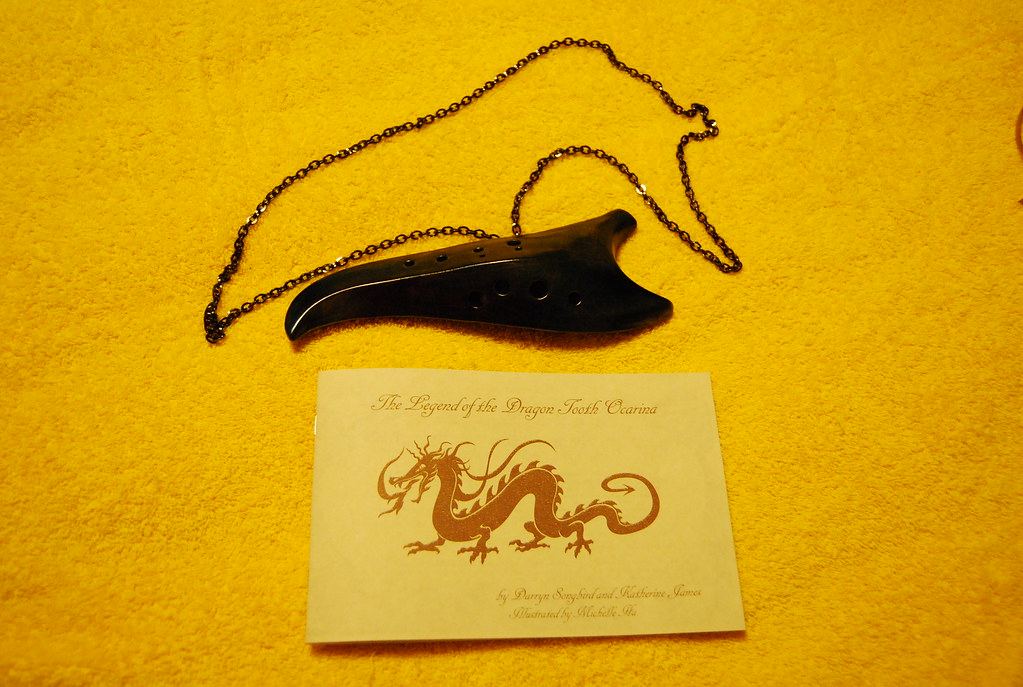
- STL Ocarina: this American maker offers a wide catalog, ranging from beginner models to double and triple ocarinas. Its creativity is reflected in varied designs, such as the dragon ocarina or the Zelda ocarina.
- Dinda Ocarina: based in Thailand, Sarawut Bugkhuntod makes affordable ocarinas, around €35 for an Alto C, known for their gentle high notes. These instruments are available from his Etsy shop.
- Focalink/Stein: this Taiwanese brand is a major market player, with excellent value for money for transverse ocarinas and multichamber models, distributed in France by Ocarina World.
- Night by Noble: its plastic model is robust and stable, perfect for travel. It is a good complement to a ceramic ocarina.
- Spencer Ocarina: known as a luxury brand in the ocarina world, it offers high-end models with careful finishes, ranging from $199 to $299.
- Songbird Ocarina: known for its original designs inspired by fantasy worlds, this brand brings a unique touch to its instruments.
“The legacy of Giorgio Pacchioni continues to influence the world of multichamber ocarinas, even though he no longer makes instruments today.”
Where to avoid unpleasant surprises: buying advice
For a successful purchase, here are a few practical tips:
- Favor Ocarina World for Focalink/Stein distribution, so you can obtain quality instruments.
- Contact Musique de Terre directly for artisanal models, which are often more unique.
- Consider group orders from STL Ocarina to reduce shipping costs.
- Avoid platforms such as Amazon, Wish and AliExpress, where ocarinas are often poorly tuned and of questionable quality.
- Before buying, test the instrument or ask for a demonstration video of the chosen model, then check that it suits the size of your hand, especially for multichamber models.
In summary, choosing a recognized maker and following this buying advice will help you find the instrument that meets your expectations. For more information on choosing an ocarina, see this article dedicated to choosing an ocarina for beginners.
Conclusion
In conclusion, choosing an instrument suited to your musical project is essential. For most musicians, a well-designed 12-hole model provides a solid foundation for progress. Adding a second chamber extends the range of notes without making the playing too complex. It also makes a wider repertoire more accessible.
For those who want to explore further, the three-chamber ocarina offers an even richer palette, but it is mainly intended for advanced musicians. It is crucial to prioritize tuning accuracy, ergonomics and tone when making your choice.
Try several models, listen to online demonstrations and favor recognized makers such as Musique de Terre or STL Ocarina. Avoid low-end models, often poorly tuned, which can slow your musical progress.
Finally, remember that patience and regular practice are far more decisive than owning an expensive instrument. Explore available resources, such as practical guides on types of ocarinas, to enrich your musical experience.