
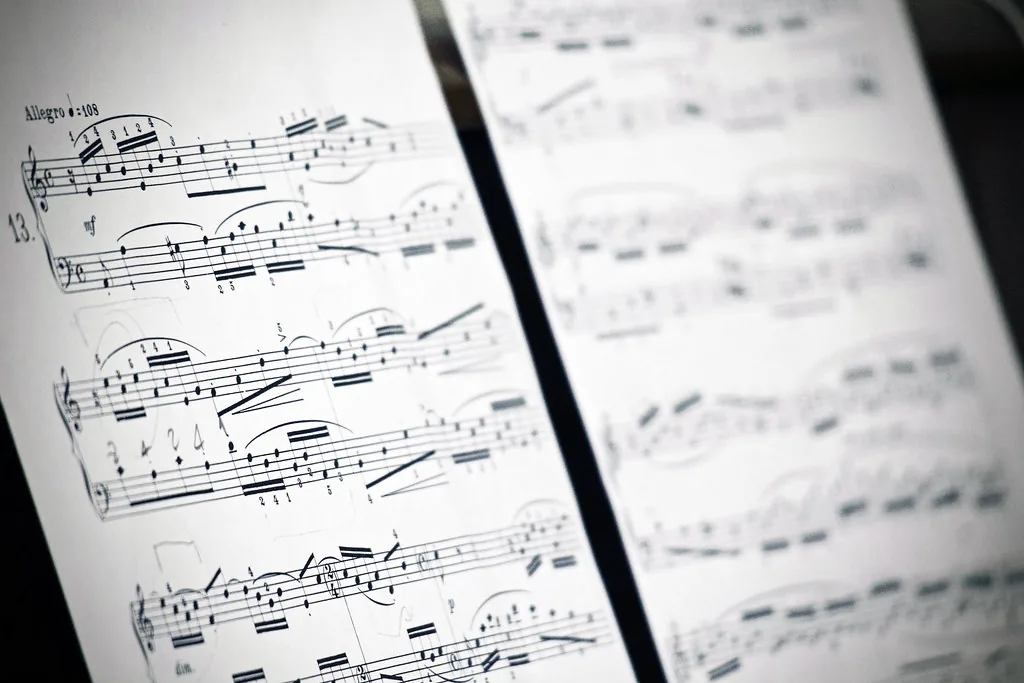
Do you direct a choir and need pieces that are easy to read or download? This guide brings together practical links to accessible scores, mostly created with MuseScore, and often accompanied by an audio file for rehearsing each part.
Voxchori offers alphabetical sorting and resources by number of voices and by style. Visit this site to read online, get editable files, and access audio excerpts.
In addition, other reliable platforms offer filters by style, difficulty, and PDF or MuseScore format. This makes it easier to print, annotate, and archive your repertoire.
Goal: save preparation time by quickly finding a singable score, audio tracks for learning the piece, and clear information on access terms.
How we selected these free 3-part choral scores today
Our method prioritizes shared resources that provide direct access to files and audio tracks. We checked that each page specifies the formats, download methods, and where the file appears in the Downloads folder.
Practical criteria guided the selection: clarity on use, indication of the number of voices, and availability of “practice voice” audio. These elements help the conductor and choristers prepare rehearsals faster.
- Free access to reliable files and audio materials.
- Instructions to avoid technical friction: formats and downloading.
- Alphabetical and category-based sorting for quick searching.
- Recommended teaching method: listen in sections, pause, repeat, then link the sections together.
In short, we selected transparent, educational, easy-to-use sites so the choir can work efficiently on the score and each voice.
Free 3-part choral scores: our selection
Specialized platforms make it easier to find files and audio for each part of the choir. Here is a practical overview for finding online reading, downloads, and support suited to the level and style you are looking for.
Voxchori
Voxchori provides free access to many scores and practice voices. Most files come from MuseScore and are sorted from A to E. You can read the page and quickly download the files to prepare rehearsals.
Free Scores
Free Scores lets you filter by number of voices, style, instrumentation, and difficulty. The site often offers versions with accompaniment, especially piano or guitar, available as downloads or paper delivery.
Éditions à Cœur Joie
The catalog provides useful markers for identifying scores for two, three, or four voices. You can listen to MP3 excerpts, choose between PDF and paper, and subscribe to follow new releases.
Other resources
Partitions-musicales.net lists titles for mixed, women’s, men’s, or children’s choirs, with PDF options and delivery. Euro Choral expands the repertoire by genre: French chanson, gospel, contemporary music, and more, with digital files filterable by ensemble type.
| Site | Access | Accompaniment | Strength |
|---|---|---|---|
| Voxchori | Free reading and downloading | MuseScore files, audio tracks | A-E navigation, practice voices |
| Free Scores | Download / paper purchase | Piano, guitar depending on the work | Filters by style and number of voices |
| Éd. À Cœur Joie | PDF and paper, MP3 excerpts | Accompaniments depending on the edition | Precise catalog, subscription to new releases |
| Partitions-musicales.net | PDF and delivery | Variable accompaniment | Wide choice by choir type |
| Euro Choral | Digital purchase | A cappella or accompanied versions | Varied genres and filters by period |
- Tip: combine online reading, downloading, and accompaniment to adapt each score to the choir’s level.
- Vary the styles to build a balanced repertoire.
Where and how to look for your three-part choir scores
The most effective starting point remains the site menu, which groups the essential lists and filters. On Voxchori, start by opening the menu and looking for the Practice Voices and Scores sections, sorted alphabetically.
Then browse the categories via Archives or Repertoire to filter by number of voices and style. Each page includes a reading view, a listening option, and a download link stored in Downloads.
Use the search by title or composer to find a specific score. Check the layout of the vocal lines and the presence of audio by section before printing it.
- Tip: check the format (PDF/MuseScore) and annotation options.
- Review the difficulty and length to balance the choir’s workload.
- Note the reference and source so you can track the repertoire quickly.
| Step | Action | Result |
|---|---|---|
| Menu | Go to “Practice Voices” and “Scores” | Alphabetical lists and direct access to pages |
| Categories | Filter via Archives/Repertoire | Selection by number of voices and by style |
| Search | Enter a title or composer | Find the score and check the layout |
Learn each voice effectively with shared resources
Start learning by first isolating the track dedicated to your part. Listen several times to the practice voice to memorize the melodic line and range of your part.

Use a section-by-section method: pause, repeat until pitch and rhythm are stable, then move on to the next section. Repeat each passage slowly, then gradually speed up according to the tempo.
When the line is secure, sing your part with the ensemble to work on mutual listening and intonation. Videos that scroll through the score help you time entries, articulation, and dynamics.
Practical tips:
- Work on the same piece with and without accompaniment to gain independence.
- Vary the tempo during rehearsals to anchor breathing and rhythmic precision.
- Review regularly, even 10 minutes a day, and test yourself cold before the full rehearsal.
By following this simple method, you will learn each voice faster and strengthen your connection with the choir during ensemble rehearsals.
How to read a 3-part choir score well: structure and useful markings
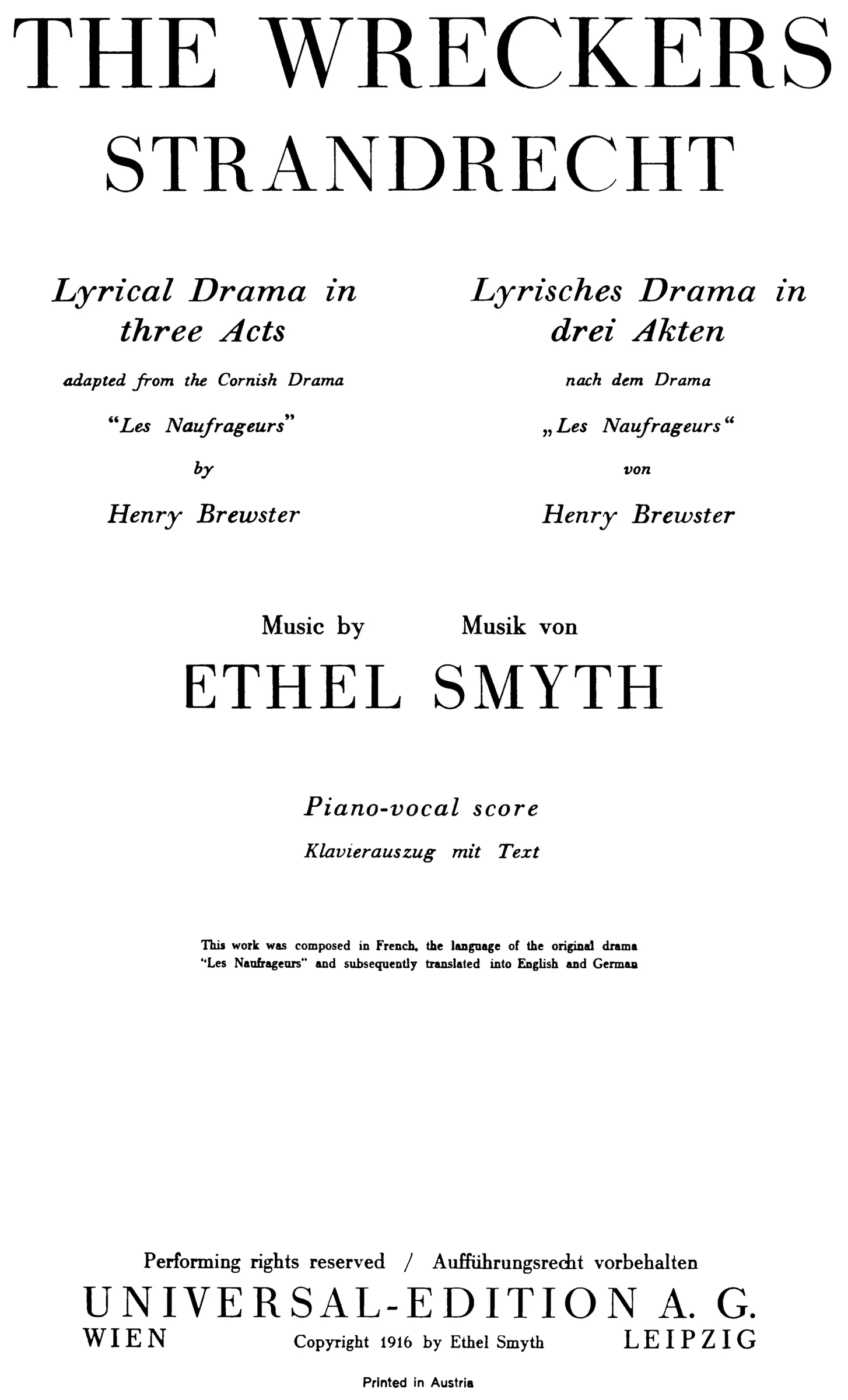
Reading a choir score begins with the header: tempo, time signature, and key. These elements define the speed, pulse, and tonal center of the work.
Next, look at the staff layout. The lines usually indicate soprano, alto, tenor, and bass. In writing for three sections, some sections are merged or the voices are redistributed.
The lyrics appear under the notes; check the translations if they exist. They guide diction and musical meaning.
Tempo, meter, key, phrasing, and staves
Read the phrasing, slurs, and breathing marks to unify attacks and phrase endings. Note staccato, legato, and pause marks.
- Spotting: tempo, meter, and key at the top of the page.
- Layout: S/A/T/B and adaptations in 3 sections.
- Phrase: slurs, breaths, and articulations to observe.
- Form: repeats, coda, and double barline for the final structure.
Advice: adapt the balance between sections according to the written dynamics and the style: Baroque, Classical, Romantic, or contemporary, to serve the musical expression.
Practical resources for downloading, reading, and organizing your scores
Manage your files efficiently by combining online reading and downloads according to each page you consult.

Preferred formats: favor PDF and MuseScore files. They are easy to annotate, print, and share within the choir.
Free downloads (PDF, MuseScore) and online reading
Voxchori lets you freely read and download files created in MuseScore. Downloads appear in the “Downloads” folder.
Free Scores offers digital purchase or postal delivery options, often with piano or guitar accompaniment. Éditions à Cœur Joie, Partitions-musicales.net, and Euro Choral offer PDFs and paper versions depending on the titles.
- Combine online reading, listening to the part, and downloading to prepare quickly.
- Prioritize versions with accompaniment, especially piano, when it helps ensemble work.
- Use Newzik to centralize PDF, MusicXML, and MXL files, and share annotations.
| Source | Formats | Strength |
|---|---|---|
| Voxchori | PDF, MuseScore | Free reading and downloads, audio by section |
| Free Scores | Digital / paper | Piano/guitar accompaniment options |
| Éd. À Cœur Joie | PDF and paper | MP3 excerpts, subscription to new releases |
| Newzik (app) | PDF, MusicXML, MXL, JPEG | Organization, annotation, sharing |
Conclusion
To finish, choose sites that make it easier to learn by section and by voice part. Prioritize pages that offer “practice voice” audio and editable formats to save time.
Build a varied repertoire: short songs, classical works (think Joseph Haydn), and contemporary pieces. On each page, check the permitted use and the type of accompaniment.
Centralize your files in a local folder (Downloads) and keep the list of available pieces up to date. To broaden your search, also visit LMI Partitions, which offers many filters and practical downloads.
In rehearsal, alternate between listening to tracks, working by section, then trying with the ensemble to achieve fast and lasting progress.