In the fascinating world of video games, Ocarina of Time stands out for its unique gameplay and memorable soundtrack. Released in 1998 on Nintendo 64, the game captivated millions of players with its spellbinding melodies. Its iconic instrument, the ocarina, plays a central role: it allows players to travel through time, teleport to key locations, and solve puzzles.
In this article, we offer a selection of must-know melodies to master. Whether you are a beginner or an experienced musician, these tunes will immerse you in the world of Hyrule. Koji Kondo’s compositions, such as the Song of Time and Zelda’s Lullaby, have become touchstones in the world of video games.
We will explore the five most iconic melodies by analyzing their musical and narrative impact. Practical resources, such as sheet music and tutorials, will also be available to you. Get ready to relive the game experience by performing these pieces, which go far beyond simple entertainment.
Introduction to the ocarina and its iconic role in Ocarina of Time
At the heart of the video game universe, one instrument stands out for its ability to transport players into enchanting worlds: the ocarina. Much more than a simple in-game item, it has become a cultural symbol thanks to its use in Nintendo’s famous title. Let’s discover this fascinating instrument and its impact in the game.
What is the ocarina? Origins and characteristics
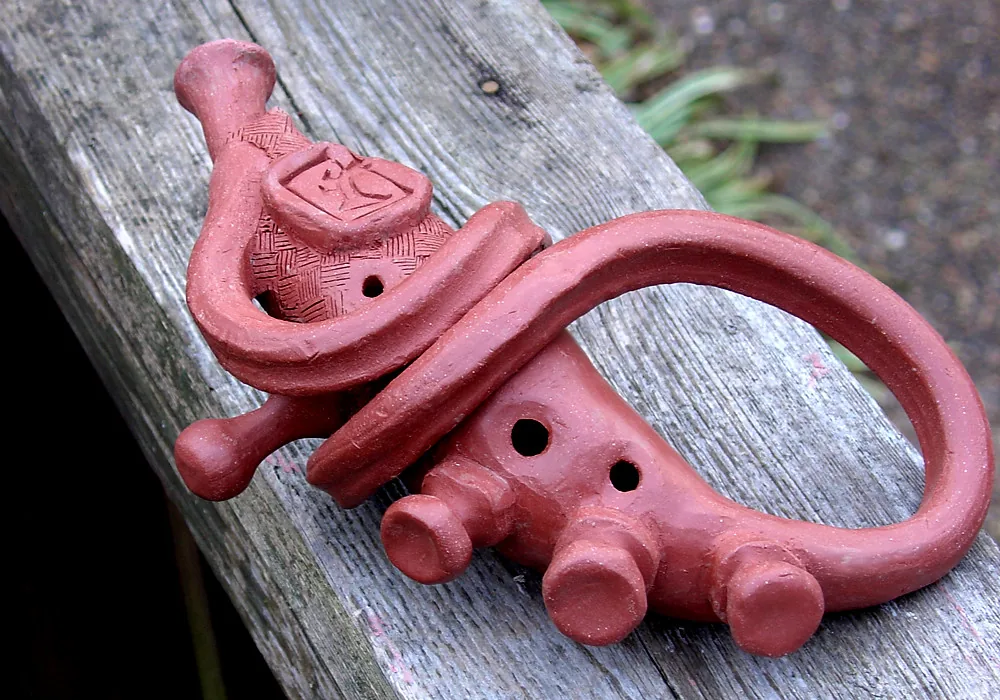
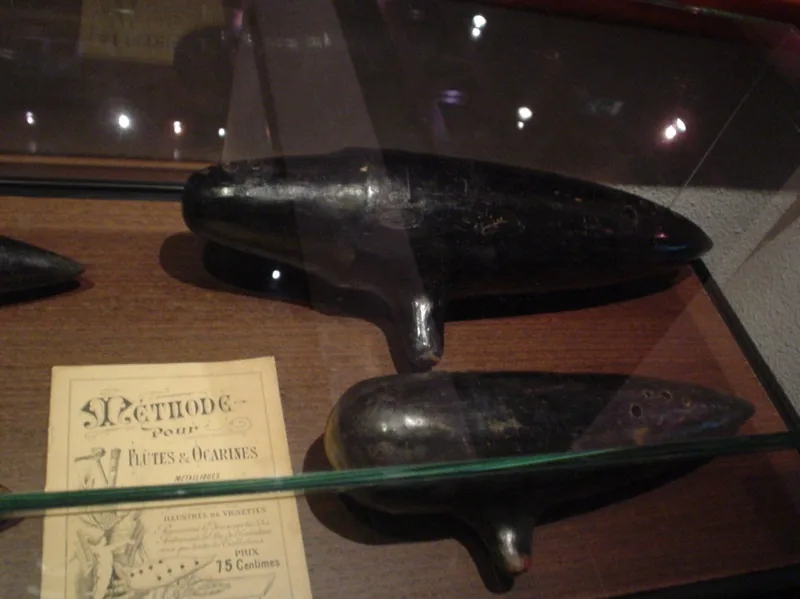
The ocarina is a wind instrument, traditionally made of terracotta, though today it is also available in ceramic, plastic, or resin. It often has between 4 and 12 holes, allowing players to modulate notes. Its origins go back to ancient traditions found in several regions of the world, notably Mesoamerica, where similar instruments were used in various cultural contexts.
Modern models mainly come in two types: 6-hole versions, ideal for beginners, and 12-hole versions, which offer a wider range of notes suited to more experienced musicians. Contemporary ocarinas are available in compact formats, often around 12 x 6 cm, making them portable and easy to carry.
The importance of Ocarina of Time in popularizing the instrument
The game Ocarina of Time, released in 1998 on Nintendo 64, played a crucial role in popularizing this instrument. With more than 7.6 million copies sold, it introduced millions of players to the ocarina, transforming an instrument still little known to the general public into a global cultural icon.
In the game, the protagonist Link uses the ocarina to trigger mechanisms, move around Hyrule, open secret passages, and progress through the story. This synergy between music and gameplay created a uniquely immersive experience, reinforcing the instrument’s importance in the game’s identity.
Why learn music from Ocarina of Time on the ocarina?
Learning the melodies from this iconic game offers many benefits. It not only helps develop coordination and musical ear, but also lets you relive nostalgic and emotional moments. Tunes such as the Song of Time and Zelda’s Lullaby carry deep meaning in the game, making them all the more rewarding to learn.
In addition, thanks to simplified tabs and online tutorials, even beginners can quickly master these pieces. The community dimension around the ocarina is also a strength, with many musicians sharing their performances and arrangements online.
In short, learning the tunes from Ocarina of Time provides a solid foundation for making progress with this instrument. In the following sections, we will offer a selection of essential melodies to explore.
| Melody | Effect in the game | Characteristics |
|---|---|---|
| Song of Time | Opens the Door of Time and moves certain blocks | Symbol of progression |
| Zelda’s Lullaby | Triggers mechanisms linked to the royal family | Evokes the connection between Link and Zelda |
| Nocturne of Shadow | Teleports Link to the Kakariko graveyard | Makes it easier to access a key location |
| Serenade of Water | Teleports Link to Lake Hylia | Accompanies progress toward the Water Temple |
Ocarina of Time: songs to learn on the ocarina – Selection of essential tunes
In the rich and immersive world of Ocarina of Time, melodies play a fundamental role. Each song, carefully designed, is tied to gameplay mechanics and key moments in the story. These iconic tunes are not just pieces to play, but experiences to live.
Cult melodies connected to gameplay and storytelling
Link learns several playable melodies, including twelve essential songs, to which the Scarecrow’s Song can be added. For example, the Song of Time (▼A►▼A►) opens the Door of Time in the Temple of Time and interacts with certain time blocks. This song is central to the game’s progression.
Zelda’s Lullaby, passed down by Princess Zelda through Impa, is also essential. It activates mechanisms linked to the royal family and opens certain passages, strengthening the bond between Link and the princess. These songs create a unique and immersive atmosphere, connecting the player to the story.
Songs passed down by Princess Zelda and their function in the game
Beyond Zelda’s Lullaby, other songs, such as Epona’s Song, allow Link to call the mare Epona, making travel across Hyrule easier. The Serenade of Water, learned from Sheik, lets Link teleport to Lake Hylia. This melody remains approachable for beginners thanks to its clear structure.
The Bolero of Fire grants access to the Fire Temple, while the Song of Storms, played at the windmill in Kakariko Village, triggers rain and contributes to a fascinating time paradox. This connection between music, weather, and chronology enriches the game experience.
Other major game music adapted for the ocarina
Saria’s Song, the cheerful melody of the Kokiri Forest, allows Link to communicate with Saria, the Sage of the Forest. It is also used to make Darunia dance, which opens the next part of the quest linked to Dodongo’s Cavern.
Other notable songs include the Inverted Song of Time from Majora’s Mask and the Scarecrow’s Song, which lets players personalize their own motifs. These melodies, adapted for the ocarina, offer exceptional musical richness.
These melodies use combinations of notes associated with the Nintendo 64 controller buttons (A, ▼, ►, ▲, etc.). In the next section, we will explore the five most striking melodies in the game, analyzing their musical writing and their emotional impact on players.
Top 5 striking melodies from Ocarina of Time and their musical analysis
The iconic melodies of Ocarina of Time have left a lasting mark on the world of video games. Here is our selection of the five most striking melodies, chosen for their memorability, their integration into the story, and their impact on gameplay.
5. Gerudo Valley: the flamenco energy that sets the desert ablaze
Koji Kondo’s composition for Gerudo Valley relies on a harmonic color that strongly evokes Spain and flamenco. This energetic melody features shades of A minor, G major, F major, and E major.
- Orchestration: virtuosic guitar, mariachi-inspired trumpets, and percussion evoking castanets.
- Context: it accompanies the crossing toward Gerudo Valley and the approach to a territory hostile to Link.
- Impact: it is one of the game’s most covered pieces, with a striking contrast to the plains of Hyrule.
4. Lost Woods: the melody of eternal friendship
Lost Woods stands out for its bright tonality and instantly recognizable motif. This melody uses repetition, rhythmic variation, and writing that evokes wandering through the forest.
- Orchestration: flutes, woody timbres, light pads, and discreet percussion.
- Function: it serves as a musical landmark, with Link following the intensity of the melody to cross the forest labyrinth.
- Narrative link: it is associated with Saria, Link’s childhood friend who becomes the Sage of the Forest.
3. Temple of Time: the mystical hymn that opens the gates of eternity
This solemn composition evokes liturgical chants through its vocal lines and sacred atmosphere.
- Instrumentation: choirs, low timbres, and majestic resonances.
- Role: it accompanies the opening of the Door of Time and the journeys between childhood and adulthood.
- Impact: it serves as a musical bridge between the two major periods of Link’s adventure.
2. Princess Zelda’s Theme: the royal theme that unites hearts
Princess Zelda’s theme appears in several versions, each evoking the character’s purity, nobility, and royal destiny.
- Variants: a delicate lullaby associated with Impa, more solemn arrangements around Sheik, and epic versions during dramatic moments.
- Instrumentation: strings, harps, and luminous choirs.
- Function: it is an emotional leitmotif that links the heroes to their destiny.
1. Song of Storms: the cyclical melody that defies time
This piece in triple meter uses a swirling motif to create an atmosphere that is at once mysterious, lively, and familiar.
- Musical progression: alternation between tension and release, carried by an easily memorable melodic cell.
- Time paradox: the player learns the melody from the windmill man as an adult, then must play it in the past.
- Narrative effects: triggering rain, opening certain passages, and solving water-related puzzles.
These melodies are not just compositions, but experiences that immerse players in the world of Hyrule. Their legacy continues to influence contemporary composers and fascinate musicians around the world. To learn more about these melodies and how to play them, feel free to consult these practical resources.
Resources, tips, and methods for learning Ocarina of Time music on the ocarina
To immerse yourself in the musical world of Ocarina of Time, it is essential to have the right tools and methods. Whether you are a beginner or an experienced musician, several resources and tips can help you make effective progress.
Choosing a suitable ocarina: 6 holes, 12 holes, and recommended models
Choosing the instrument is crucial for getting started well. 6-hole models are ideal for beginners and children because they are easy to master. By contrast, 12-hole models offer a wider range of notes, making them better suited to intermediate and experienced musicians.
- Recommended model: the Baby DragonTooth Ocarina, appreciated for its versatility and sound quality.
- Custom crafting: Giorgio Pacchioni, an Italian artisan, designed ocarinas with extended sound possibilities, notably through multi-chamber models.
Sheet music, tabs, and online tutorials for making progress
Many online resources make learning easier. For example, the tutorial offered by Ophicleide helps players work on Zelda’s Lullaby on the ocarina, with an approach accessible to beginners.
- Fingering diagrams for 12-hole instruments are available, making learning accessible even without prior knowledge of music theory.
- David Erick Ramos, through his YouTube tutorials, has greatly helped introduce the ocarina to the general public.
Practical tips for regular practice and instrument care
To make effective progress, start with simple tunes such as the Serenade of Water before tackling more complex pieces. Here are a few tips:
- Include breathing exercises on simple melodies such as “B.I.N.G.O.” to strengthen breath control.
- Use a recorder, for example the one on your phone, to listen to your intonation and track your progress.
- For maintenance, regularly clean the mouthpiece and holes with a soft cloth, then let the instrument air-dry before storing it.
Influences of contemporary artists and inspiration for personalizing your playing
Many contemporary artists have enriched the world of the ocarina. Nancy Rumbel, a Grammy Award winner, has helped showcase the instrument’s expressive sounds. Cris Gale has also contributed to bringing it to a wider audience.
- To personalize your playing, try using the Scarecrow’s Song to create your own motifs.
- Draw inspiration from European styles, often centered on technical precision, and American approaches, which incorporate more improvisation.
In conclusion, exploring these resources and tips will help you progress in your learning. Feel free to share your creations online to join the vibrant community of musicians passionate about this instrument and the world of Zelda.

Conclusion: mastering Ocarina of Time music for an immersive ocarina experience
Mastering the tunes from this enchanting universe opens the door to a unique musical experience. The ocarina, an ancient instrument, has gained popularity thanks to modern music and video games. Koji Kondo’s compositions for this iconic game continue to influence generations of musicians and players.
The five essential melodies, Gerudo Valley, Lost Woods, Temple of Time, Princess Zelda’s Theme, and Song of Storms, offer a rich and accessible repertoire. Thanks to online resources, everyone can progress at their own pace and enjoy memorable moments.
In short, every practice session is an invitation to creativity and personal expression. Whether you are a beginner or a seasoned musician, learning these melodies will immerse you in the magical world of Hyrule, strengthening your connection with one of the most influential games in history.
To explore these melodies further, consult these practical resources.