The ocarina is much more than a simple instrument. Since its growing popularity thanks to the iconic video game, it has become a symbol of the saga’s captivating universe. This inseparable connection between the ocarina and the game highlights the importance of music in storytelling and gameplay.
Memorable melodies, created by the talented Koji Kondo, still echo in players’ memories. Whether it is Zelda’s Lullaby or the Song of Time, these tunes have shaped generations. Each note invites you to relive the adventure through Hyrule’s temples and plains.
In this article, we will guide you in choosing the right instrument. We will cover essential criteria such as types of ocarinas, materials, and learning resources. Whether you are a beginner or an experienced musician, this instrument is accessible to everyone.
Discovering the ocarina in The Legend of Zelda universe
In the fascinating world of video games, the ocarina stands out as a key instrument, connecting players to memorable moments. It is not just an accessory, but a true tool for storytelling and interaction within the gameplay. This wind instrument lets players manipulate time and access iconic locations, making the game experience even more immersive.
The musical importance of the ocarina in the saga
Music plays a fundamental role in the saga. Each piece has a magical function. For example, the Song of Time allows travel across eras, while Zelda’s Lullaby opens secret passages. These melodies are not just notes, but keys that unlock essential elements of the game.
As one fan says, “Every note resonates with a story to tell.” This highlights the emotional impact of these themes on players. The link between music and gameplay is undeniable, transforming the gaming experience into an unforgettable adventure.
The iconic pieces to play on the ocarina
There are several iconic pieces that every fan should know:
- Zelda Theme
- Song of Time
- Zelda’s Lullaby
- Song of Storms
- Minuet of Forest
- Kakariko Village Theme
Among these, Zelda’s Lullaby stands out for its gentleness. It appears in five different games, proving its central importance in the series’ musical universe. Composer Koji Kondo created memorable themes that continue to move players, with simple yet powerful notes.
Why learn Zelda melodies on the ocarina?
Learning these melodies on the ocarina offers several advantages. First, it allows deep immersion in the game’s universe. Players can relive their adventures through music. In addition, the ocarina is accessible even to beginners. The notes are easy to learn, and the instrument is quick to get used to.
Many speedrunners master these pieces to optimize their progression in the game. This demonstrates the practical usefulness of these melodies. The fan community also plays an essential role by sharing sheet music and tutorials, allowing everyone to recreate the game’s magic at home.
| Piece | Function | Associated games |
|---|---|---|
| Song of Time | Manipulates time | Ocarina of Time |
| Zelda’s Lullaby | Opens secret passages | Ocarina of Time, Majora’s Mask, Link’s Awakening |
| Song of Storms | Controls the weather | Ocarina of Time |
In short, the ocarina is much more than a simple instrument. It is a vehicle for emotions and adventures, connecting players to the rich and captivating world of the games. If you want to explore the subject further, feel free to visit this link for more information.
Which ocarina models should you choose to play Zelda themes?
When you become interested in this instrument, it is essential to know the different types available. Each model offers unique characteristics that influence sound quality and ease of play. Whether you are a beginner or a seasoned musician, there is an ocarina suited to your needs.
Types of ocarinas by number of holes
Ocarinas are mainly distinguished by their number of holes. Here is an overview of the most common models:
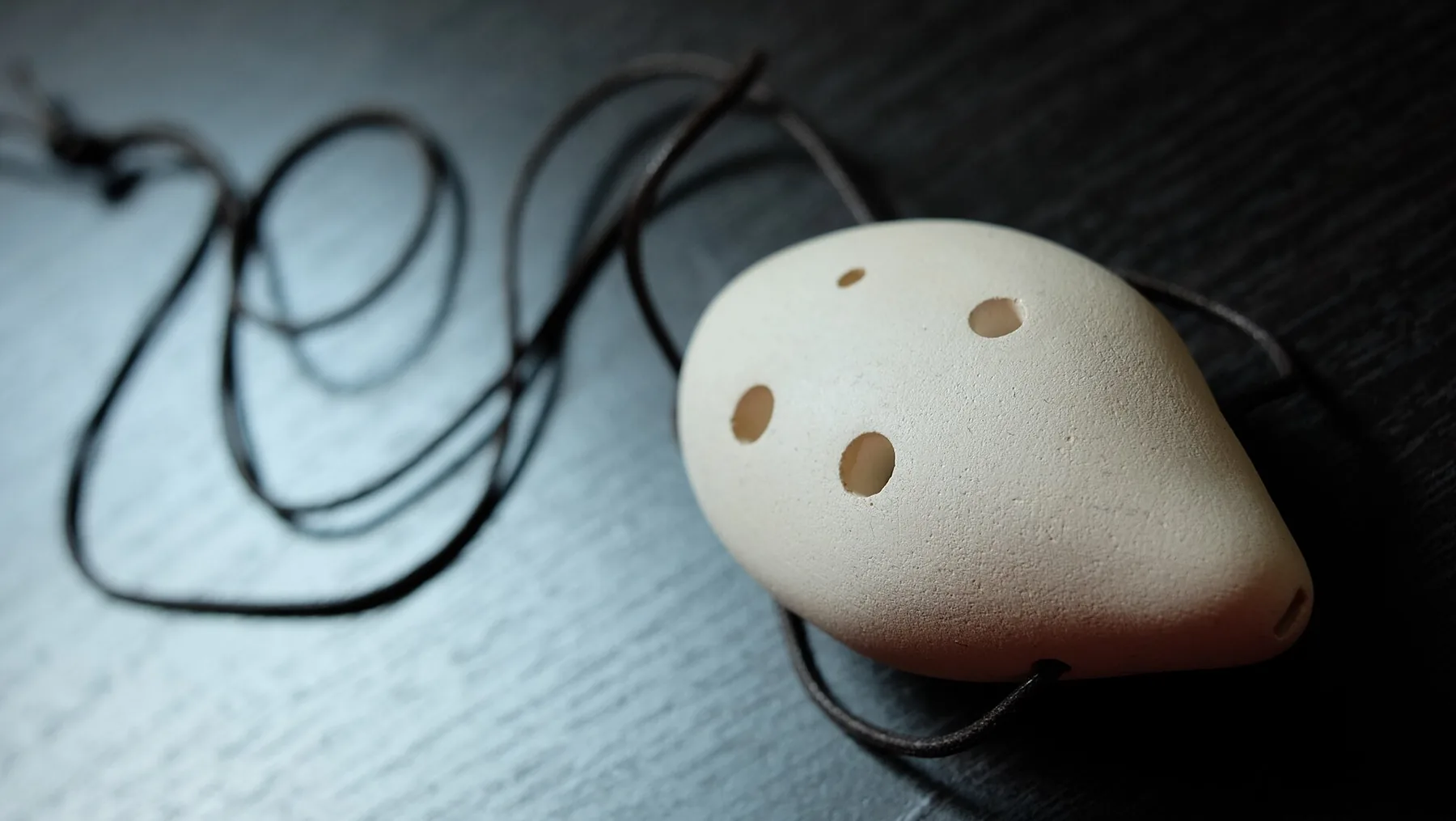
- 4-hole ocarinas: ideal for children and beginners, these instruments let you play up to 12 notes.
- 6-hole ocarinas: offering up to 17 notes, they are perfect for those who want to explore music further.
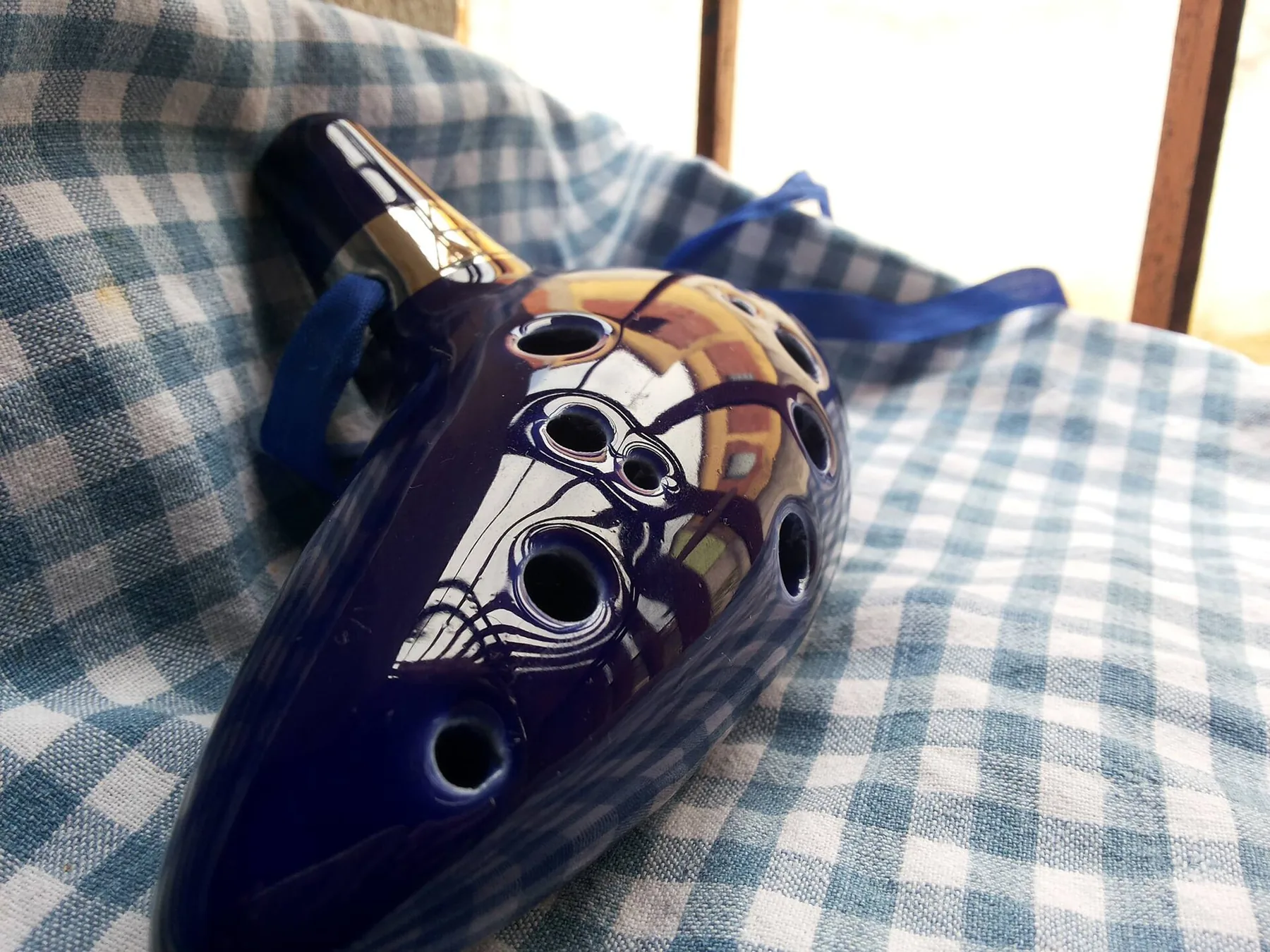
- 12-hole ocarinas: the most widespread models, they cover up to 21 notes, allowing most pieces to be played smoothly.
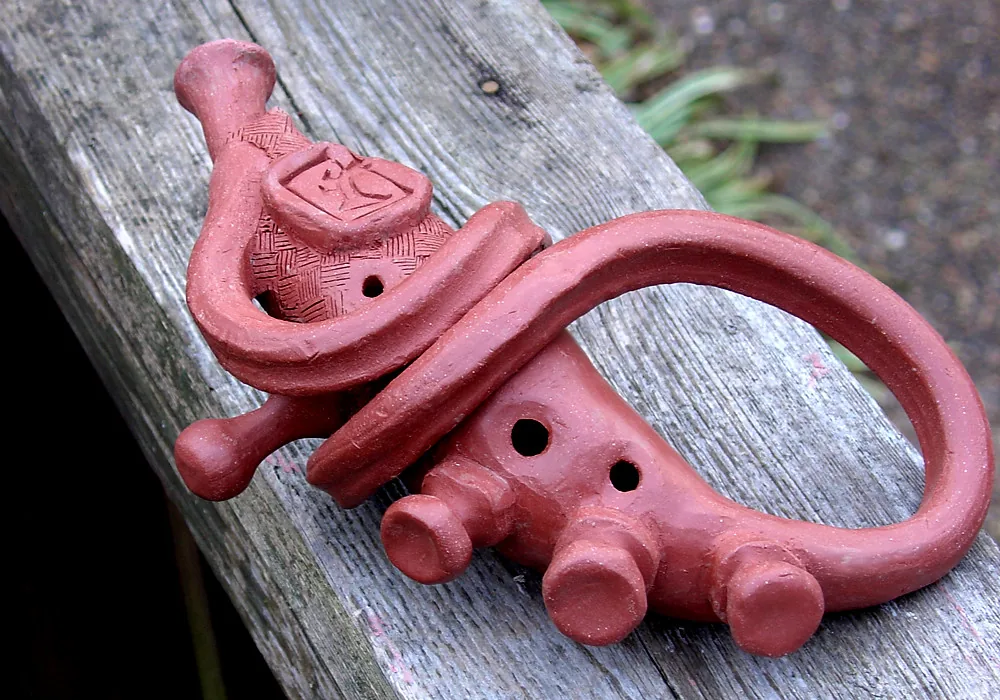
- Multi-chamber ocarinas: designed for advanced players, they allow playing across two octaves with specific fingerings.
Materials and sound quality: ceramic, plastic, wood, metal
The choice of material is crucial for the instrument’s sound quality. Here are the main materials used:
- Ceramic: produces a warm and authentic sound, but remains fragile.
- Plastic: light and shatter-resistant, ideal for travel and learning.
- Wood: offers a soft tone reminiscent of traditional flutes.
- Metal: less common, it offers powerful sound projection.
A well-made ceramic ocarina offers a clear timbre, essential for playing precise melodies. By contrast, a good-quality plastic model can compete with some entry-level ceramic models.
Tuning and range: how to choose the right scale
Tuning is another decisive factor when choosing your instrument. Tuning options include:
- C: recommended for beginners, because it gives access to the full scale.
- F, G, B flat: offer note variations suited to specific playing styles.
Ranges also vary:
- Bass: produces low notes, often on a more expensive and larger instrument.
- Alto: the ideal compromise for beginners, balancing low and high notes.
- Soprano: produces high notes, often on smaller and less expensive instruments.
For a first purchase, a 12-hole ceramic ocarina, tuned in C and in the alto range, is recommended. This will allow you to play all the pieces with optimal sound quality.
| Type of ocarina | Number of holes | Available notes | Recommended range |
|---|---|---|---|
| 4-hole ocarina | 4 | Up to 12 | Soprano |
| 6-hole ocarina | 6 | Up to 17 | Alto |
| 12-hole ocarina | 12 | Up to 21 | Alto |
| Multi-chamber ocarina | Variable | Up to 21 | Variable depending on fingering |
In conclusion, choosing an ocarina depends on your level and musical preferences. To learn more about the range of a classic ocarina, visit this link.
Criteria for choosing the right ocarina based on your level and use
When selecting a wind instrument, several factors must be taken into account. Choosing an ocarina mainly depends on your experience level and how you plan to use it. Whether you are an enthusiastic beginner or an experienced player, there are options suited to every need.
Ocarinas for beginners and children: simple, easy-to-handle models
For beginners and children, it is best to choose simple models. 4-hole or 6-hole ocarinas are ideal. They are easy to handle, especially for small hands. A 12-hole ocarina can also be suitable with a little practice.
Be careful with cheap instruments, such as those priced at 20 euros on Amazon or AliExpress. These ocarinas are often poorly tuned, which can frustrate new players. Instead, choose recognized brands that guarantee better sound quality.
Ocarinas for advanced players: doubles, triples, specific fingerings
For more experienced musicians, double and triple models offer an extended range. These instruments allow playing over more than two octaves. Pacchioni fingering is especially interesting because it lets you play one note on different chambers, offering greater musical flexibility.
It is also useful to compare Asian fingering with Pacchioni fingering. The first maximizes the number of notes, but can create timbre differences between chambers. By contrast, Pacchioni fingering ensures a smooth transition between notes, which is essential for performing pieces accurately.
Practical advice: care, transport, and durability
Good maintenance is crucial for your instrument’s longevity. For ceramic ocarinas, clean them regularly with a soft cloth to remove moisture. Handle them carefully, as they are fragile. For transport, a rigid case is recommended.
If you are looking for a sturdier model, choose a quality plastic ocarina, such as the Night by Noble. These instruments are perfect for travel and resist shocks better.
Finally, 68% of wrong notes come from poor finger placement. It is therefore essential to work on hand position from the beginning. Use tablature and video tutorials to help you progress.
| Type of ocarina | Number of holes | Target audience | Characteristics |
|---|---|---|---|
| 4-hole ocarina | 4 | Beginners, children | Easy to pick up |
| 6-hole ocarina | 6 | Beginners, children | More notes available |
| 12-hole ocarina | 12 | Intermediate players | Wide range of notes |
| Double/triple ocarina | Variable | Advanced players | Plays across several octaves |
In summary, choosing an ocarina should be based on your level and expectations. For more advice on choosing your instrument, visit this link.
Where should you buy your Zelda ocarina? Recommended shops and makers
If you are ready to buy a wind instrument, it is essential to know where to find a quality ocarina. Several online shops and makers stand out for their expertise and products. Here is an overview of the best options available.
Reputable online sites
To begin with, STL Ocarina is one of the most famous sites in the United States. It offers a wide selection of ceramic ocarinas, including iconic models. An Alto ocarina in C costs around 50 euros, and shipping is free on orders over 100 dollars.
Another excellent choice is Musique de Terre, run by Olivier Gosselink in France. This ocarina maker has been handcrafting instruments for more than 30 years. His creations stand out for their beautiful colored glazes and exceptional sound, making each model unique.
Dinda Ocarina, based in Thailand, sells handmade ocarinas on Etsy starting at around 35 euros. These instruments are known for their soft and pleasant high notes, offering excellent value for money.
Spencer Ocarina is often described as the “Louis Vuitton” of the ocarina. Its high-end handmade models are available between 199 and 299 dollars. Their flawless finishes and vivid colors, such as emerald green, make them true collector’s items.
Artisan makers worth knowing
In addition to online sites, several artisan makers deserve mention. Songbird Ocarina offers original models in varied shapes, while Ocarina World distributes Stein/Focalink instruments starting at around 42 euros. Other artisans, such as Giorgio Pacchioni in Italy and Charlie Hind in the United States, offer high-quality wooden ocarinas.
| Maker | Location | Type of ocarina | Price |
|---|---|---|---|
| STL Ocarina | United States | Ceramic | ~50 euros |
| Musique de Terre | France | Artisan | Variable |
| Dinda Ocarina | Thailand | Handmade | ~35 euros |
| Spencer Ocarina | United States | High-end | $199-$299 |
| Songbird Ocarina | United States | Original | $50-$60 |
| Ocarina World | France | Stein/Focalink | ~42 euros |
Tips for avoiding poor-quality products
It is crucial to avoid low-quality ocarinas, often available on platforms such as Amazon, Wish, or AliExpress. These instruments are often poorly tuned and can sound out of tune, which harms your learning experience.
To ensure a good purchase, favor specialized sites and recognized makers. Check reviews and listen to sound demonstrations on YouTube. Be wary of abnormally low prices, which can indicate a poorly made instrument.
Finally, take the time to compare models and listen to sound samples. Do not hesitate to invest a little more in a handmade ocarina by a passionate artisan. This ensures build quality and accurate tuning, both essential for progressing as you learn melodies.
For additional advice on choosing your instrument, visit this link.
Learning to play Zelda themes on the ocarina: resources and advice
Starting to learn this fascinating instrument may seem intimidating, but many resources are available to you. Whether you are a novice or a seasoned musician, there are tools to make practice easier and enrich your musical experience.
Essential sheet music and tablature
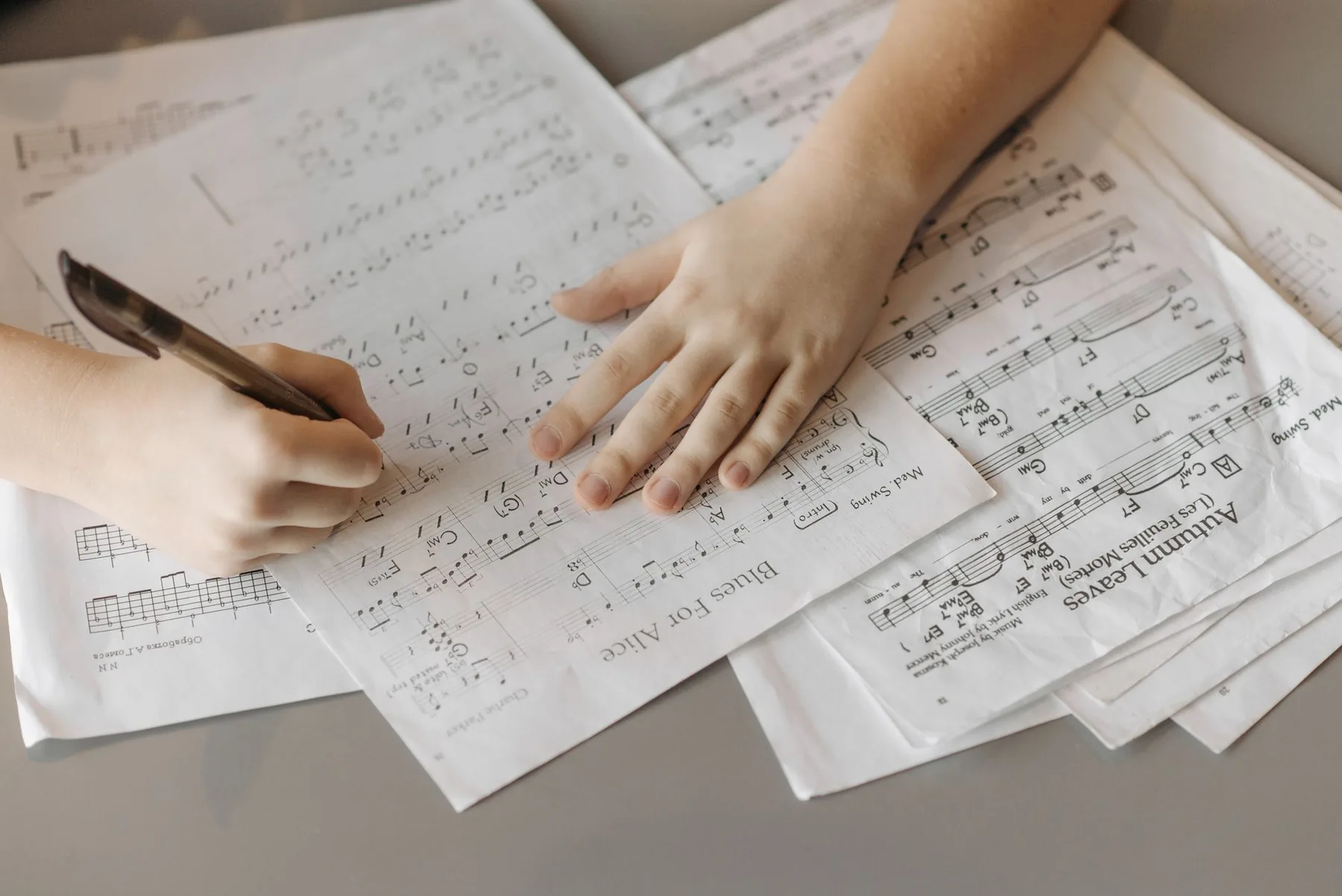
To start, the site partition-ocarina.fr is an excellent resource. It offers complete tablature for the Zelda Theme, composed by Koji Kondo. This tablature uses a 12-hole ocarina in C and offers 16 different versions. This allows each player to find the one that best matches their level and instrument.
Here are a few essential pieces to master:
- Zelda Theme: 5 notes (C-D-E-G-A), ideal for beginners.
- Zelda’s Lullaby: soft notes and measured rests.
- Song of Storms: alternation between low and high notes.
- Kakariko Village: 4 repeated notes.
- Temple of Time: pentatonic scale over two octaves.
Recommended YouTube channels and tutorials
YouTube channels can greatly support your learning. Here are some recommendations:
- OCTalk: offers detailed tutorials.
- Gina Luciani: provides inspiring performances.
- Tristan Laurens: gives technical advice in French.
- STL Ocarina: more than 300 videos covering all levels and pieces.
According to Rinku’s tutorial, 92% of learners manage to master the main theme in the first week, which shows the effectiveness of these resources.
Create and customize your own tablature
Another valuable tool is Part’Ocarina, a site developed by an enthusiast. It lets you create and customize your own tablature by clicking the keys of a virtual piano. You can save, print, and even move or delete notes, making it an innovative resource for all players.
To progress quickly, it is advisable to spend 15 to 20 minutes a day on the instrument. Alternate between technical work (scales, fingerings, breath control) and learning pieces. A realistic goal would be to perform three iconic melodies after two months of practice, as 45% of musicians do.
Finally, remember to join the ocarina player community on Discord and specialized forums. This will allow you to exchange tips, share your recordings, and discover new tablature, extending your musical experience beyond solo practice.
| Piece | Difficulty | Key notes |
|---|---|---|
| Zelda Theme | Easy | C-D-E-G-A |
| Zelda’s Lullaby | Easy | Soft notes |
| Song of Storms | Medium | Low and high notes |
| Kakariko Village | Easy | 4 repeated notes |
| Temple of Time | Medium | Pentatonic scale |
In short, learning this instrument is accessible and rewarding. For more information about sheet music, feel free to visit this link.
Conclusion
Learning to play this unique instrument opens the door to a fascinating musical world. Choosing an ocarina depends on precise criteria: the number of holes, the material, the tuning, and the range. For beginners, a 12-hole ceramic model tuned in C is strongly recommended.
Investing in a real instrument from recognized makers such as STL Ocarina or Musique de Terre is essential. This helps you avoid cheap counterfeits that can harm your musical experience.
With regular practice and the right resources, 45% of musicians manage to perform three iconic melodies after only two months. Each note played revives the magic of the games and connects you to a passionate community.
Explore resources such as the YouTube channels by OCTalk and Gina Luciani, as well as tablature from the site partition-ocarina.fr. Whether you are a longtime fan or a newcomer, this magical instrument will let you create your own musical legend, one note at a time.