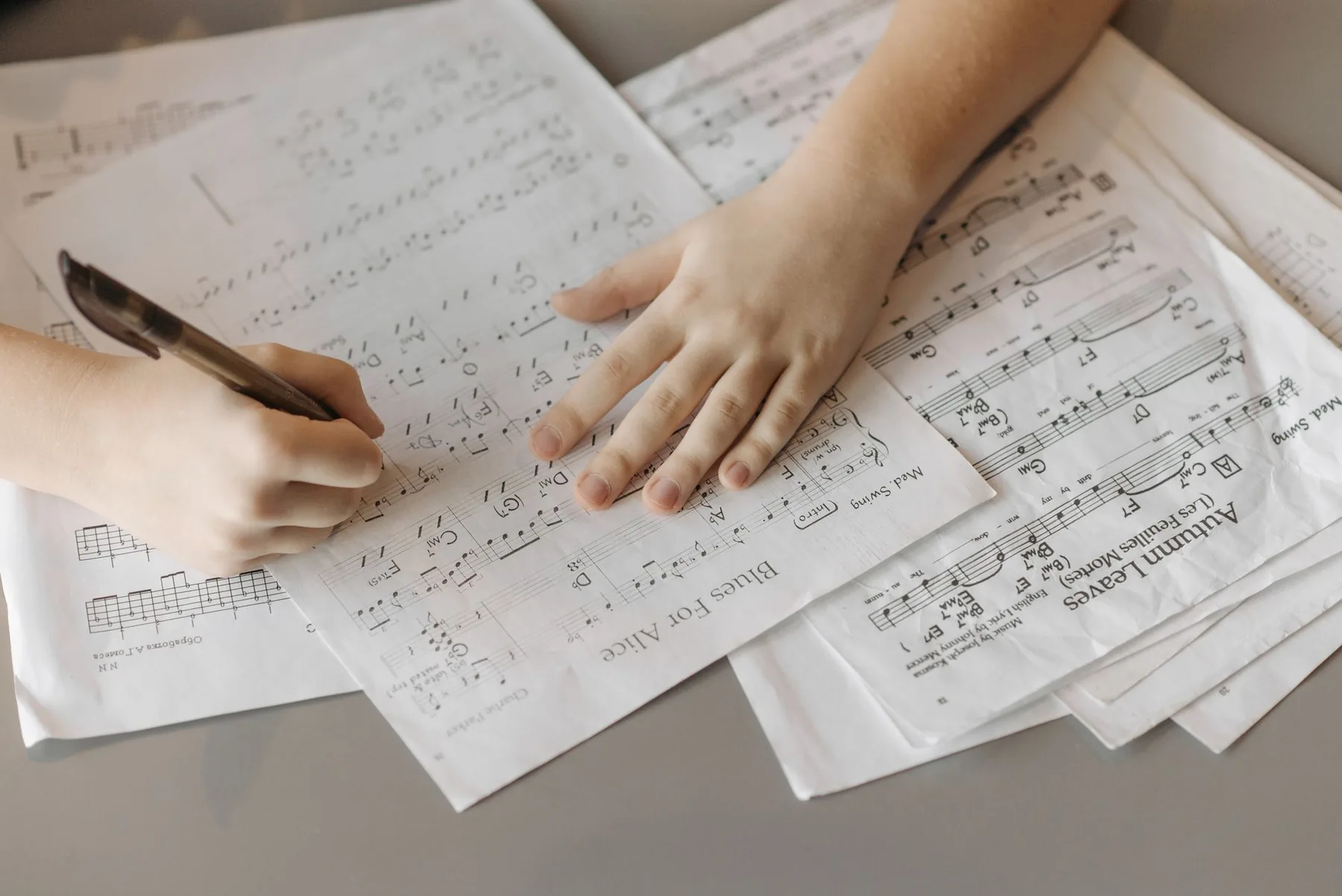
Concise introduction: A group of singers brought together for collective singing forms a vocal ensemble led by a conductor. The work is organized by voice sections — soprano, alto, tenor, bass — to balance the voices.
Context of use in France: Choirs may be parish-based, run by associations, municipal, or linked to conservatories. They rehearse for concerts, sometimes take part in liturgy, and explore varied styles: classical, gospel, jazz, or popular music.
The conductor guides the musical preparation, while the choristers learn listening, pitch accuracy, and coordination. Accompaniment may be a cappella, on piano, on organ, or with an orchestra, depending on the musical function sought.
What you will find in this guide: definitions, key roles, differences from a professional choir, how rehearsals work in practice, and advice for joining an ensemble. To learn more about practical organization, see the resources on choirs.
Why this guide to choral singing is for beginners in France
Many local groups now welcome beginners without requiring music theory. Associations, parishes, and towns offer suitable educational workshops. This makes it easier to enter collective practice.
People who are starting out want to know where to find a nearby group, what happens during a rehearsal, and what level is expected. This guide answers those needs by giving clear reference points.
The pleasure of singing remains the main driving force. Singing in an ensemble encourages progress and builds confidence thanks to the support of the voice sections.
- Session frequency: often weekly, with a reasonable time commitment.
- Technical needs: vocal placement, breathing, and simplified score reading.
- Choosing a group: favor ensembles suited to your level and goal.
| Context | Accessibility | Key advantage |
|---|---|---|
| Parishes, associations, conservatories | No music theory prerequisites | Progressive learning by voice section |
| Towns and small organizations | Welcome workshops | Friendly support for getting started |
| Project/concert groups | Auditions possible | Realistic and motivating goals |
Essential definitions: choir, professional choir, vocal ensemble, children’s choir school
To find your way around, you need to distinguish several vocal realities. The words determine the status, the level of expectation, and the repertoire.
Choir
Choir refers to an amateur ensemble organized into voice sections (soprano, alto, tenor, bass). The singers work on their parts from scores, then bring everything together under the direction of a conductor.
Professional choir
A professional choir often aims for a professional standard. It is attached to institutions such as an opera house or orchestra, and follows stricter recruitment procedures.
Vocal ensemble and children’s choir school
A vocal ensemble remains smaller in size. It favors precision and homogeneity of timbre. A children’s choir school generally refers to a structured vocal training program, often linked to a conservatory, a school, or a cathedral.
- Mixed, men’s, or women’s groups depending on vocal range.
- The repertoire and concert formats vary according to size and level.
- The conductor gives the entrance, tempo, and cohesion.
| Type | Status | Size | Example in France |
|---|---|---|---|
| Choir | Amateur | Large (>20) | Chœurs de Saint-Eustache |
| Professional choir | Professional | Medium to large | Chœur de l’Opéra de Paris |
| Vocal ensemble | Experienced amateur | Small (8–20) | Ensemble Vocal Magnificat |
| Children’s choir school | Structured vocal training | Variable | Maîtrise Gabriel Fauré |
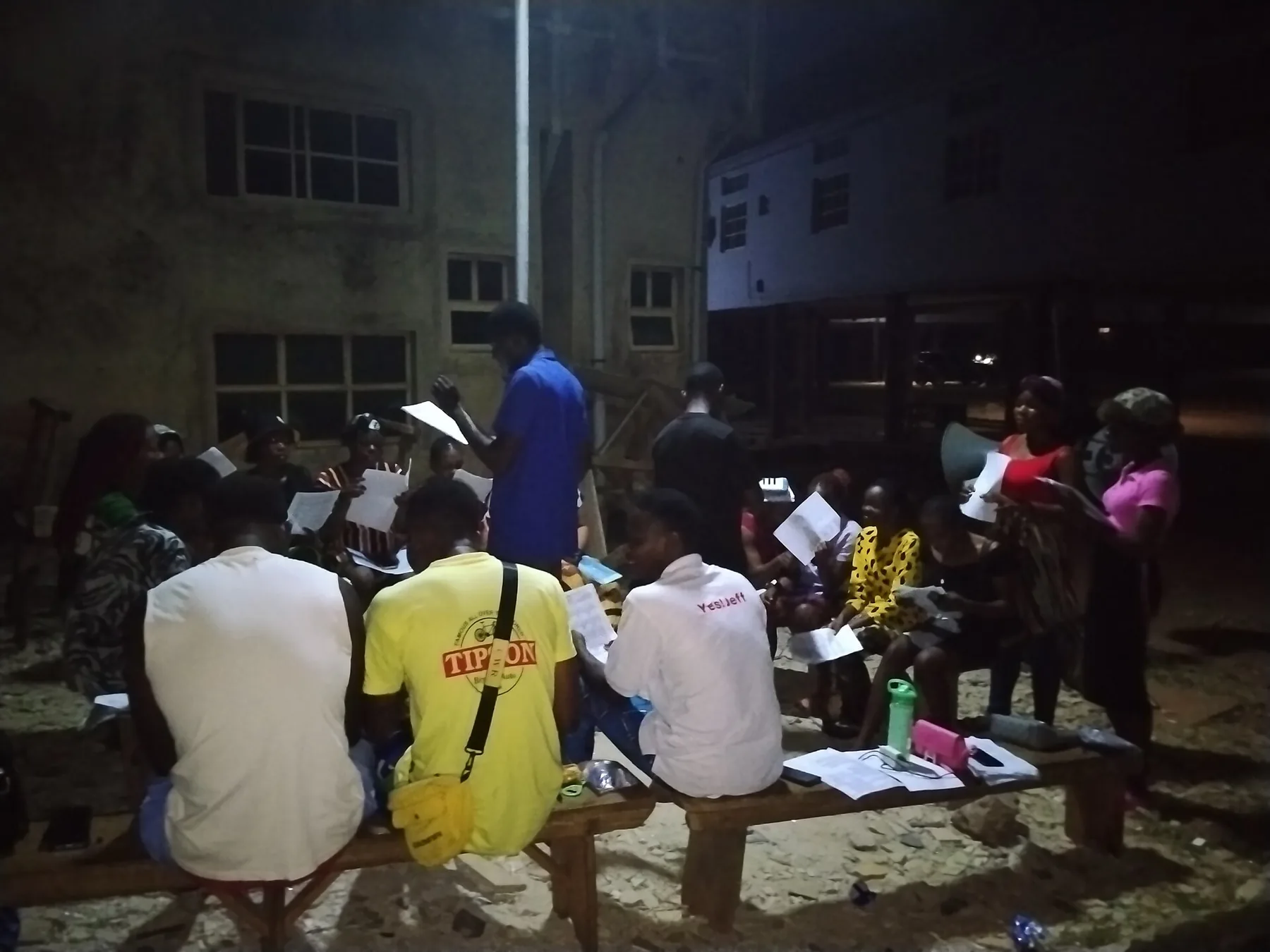
What Is a Choir: Definition and Everyone’s Role
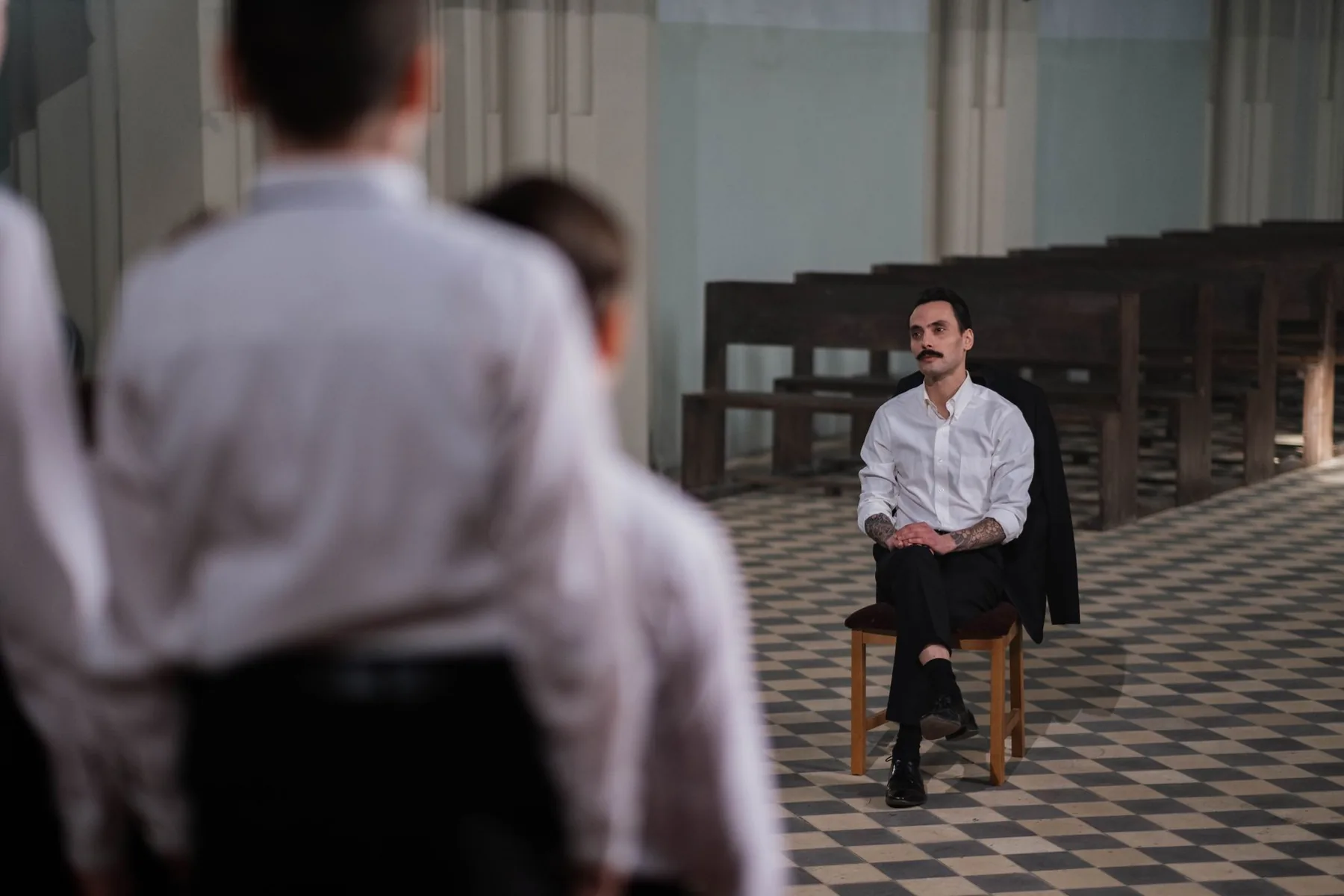
Sound cohesion is built first in rehearsal, under the attentive eye of the conductor.
The choir conductor: direction, phrasing, tempo, balance of voices
The choir conductor prepares the program, chooses the works, and writes instructions on the scores.
They give the phrasing, tempo, and breaths, and adjust the balance between sections. Conducting through gesture ensures clean entrances and controlled endings.
Choristers by section: soprano, alto, tenor, bass and their function
Choristers work in SATB sections to hold their line and make the color of the voices more homogeneous.
They first rehearse in unison when the aim is to strengthen pitch accuracy, then move on to polyphony in several parts.
Accompaniment and space: piano, organ, orchestra, layout
The choice of accompaniment affects harmonic support and intonation: a cappella for listening autonomy, organ or piano for stability, orchestra for major works.
The layout in the space — sections side by side or mixed, conductor visible to everyone — supports projection toward the audience during the concert.
- Rehearsals: sequences by section then tutti, work on diction and managing score pages.
- In concert: entrance discipline, placement, and constant attention to the conductor.
Choir vs. professional choir: understanding the key differences
Vocal paths differ according to ambition, repertoire, and the structure that oversees the group.
Repertoire and style
The professional choir often focuses on formal works: sacred, Baroque, or operatic music. The demands are high for precision and color.
The amateur choir explores a broad repertoire: gospel, jazz, popular music, and accessible classical arrangements.
Rehearsals and level
Professional choir rehearsals are intensive before a major concert. Recruitment is selective and the work sustained.
Choirs generally meet every week. Progress remains educational and inclusive.
Musical direction and instrumentation
The conductor ensures stylistic coherence. In a professional context, there may be a vocal coach, an orchestra conductor, and orchestral or organ accompaniment.
Unison is sometimes favored to bring the congregation together; polyphony serves the expressiveness of major pieces.
| Criterion | Professional choir | Choir | Context |
|---|---|---|---|
| Repertoire | Sacred, Baroque, operatic music | Gospel, jazz, popular music, accessible classical music | Opera, church / association, town hall |
| Level & rehearsals | Selective, intensive | Educational, weekly | Professional vs. amateur |
| Direction & accompaniment | Conductor, vocal coach, orchestra | Conductor, piano or organ, arrangements | Stage production or liturgical service |
How a choir works in practice today
In a typical rehearsal, the session begins with vocal warm-ups, then work by voice section. The isolated voices refine difficult passages before the full group comes together.
Practical method: warm-up, targeted work by section, then tutti to assemble text and harmony. The choir conductor adjusts the balance, and the accompaniment, on piano, organ, or a cappella, helps with pitch accuracy.
Organization and logistics: score folders ready, pages numbered, shared markings to save time. On stage, each person’s place is defined to guarantee visibility and vocal projection.
Advice for members: work on your line at home, listen to rehearsal tracks, respect silence during page turns. Planning includes run-throughs, rehearsal schedules, and feedback after concerts.
| Phase | Goal | Typical duration |
|---|---|---|
| Warm-up | Vocal placement | 10–15 min |
| Sections | Correct difficulties | 20–30 min |
| Tutti | Musical assembly | 30–40 min |
Church choir and sacred music: liturgical mission and best practices
In the liturgical space, singing means serving the community and encouraging active prayer. The mission of the vocal group is to guide the participation of the faithful without taking the assembly’s place. This function is recognized by liturgical texts and remains central to the celebration.
Serve the assembly. Choose a stable repertoire with familiar refrains. Introduce new pieces gradually to avoid confusion. Favor unison singing when the assembly is called to sing.
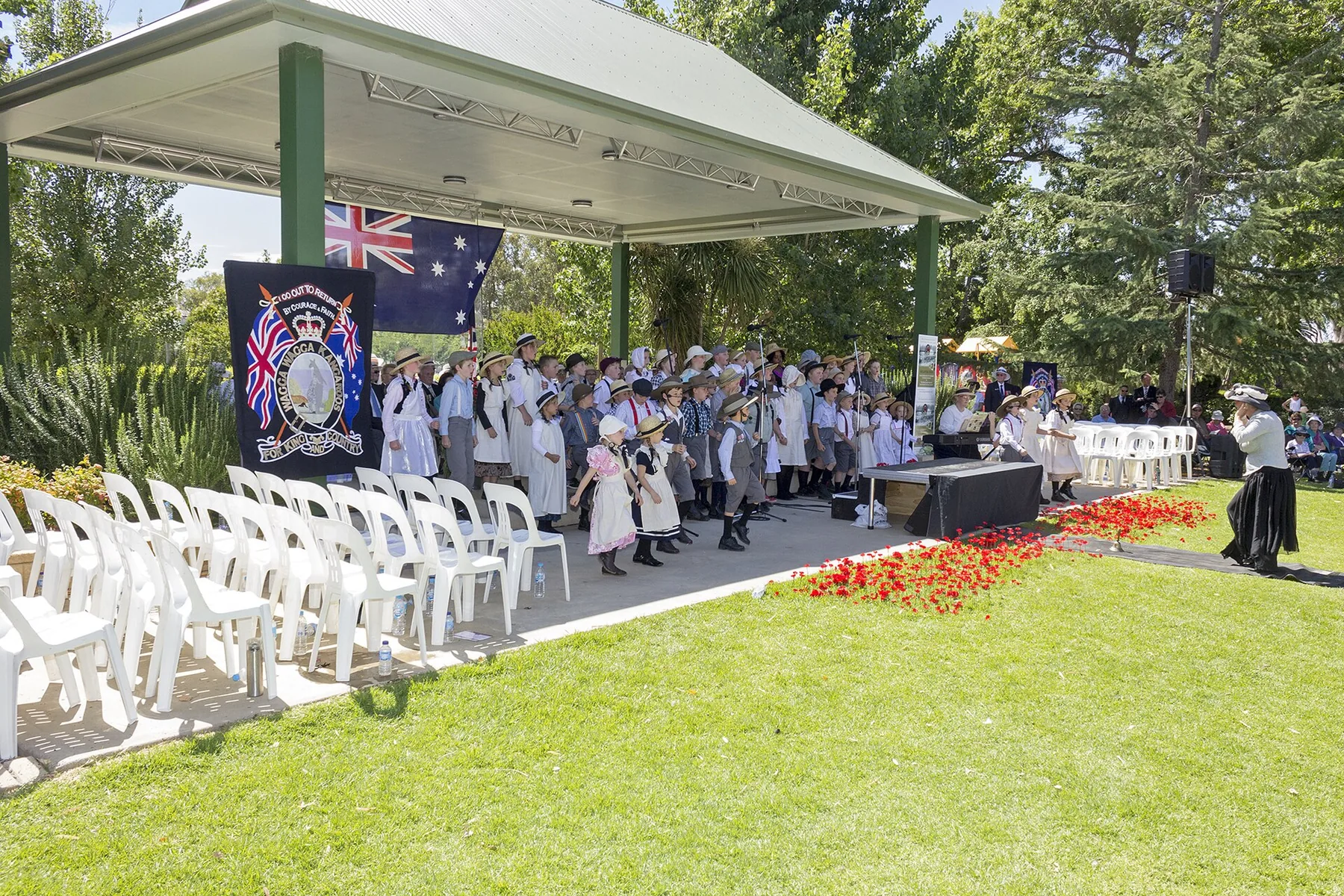
Moments of the rite and choice of pieces
Place polyphony at moments of listening: after the Word or during the procession of the gifts. Reserve complex pieces for times when the congregation is listening.
- Practical reminders: prepare score folders and limit handling noise.
- Nave-choir dialogues: alternate short responses and refrains to support common prayer.
- Balance: use polyphony only if the main melody has been mastered.
Keep the liturgical spirit. Avoid a concert mindset that sacrifices the function of the rite. The conductor organizes the interventions to vary the way they are carried out and preserve fervor. Finally, encourage the spiritual life of the singers: singing with humility also means praying through service.
Choosing and joining a group: finding your place and level
Choosing your ensemble depends on the time available, your musical ambition, and the atmosphere you are looking for.
Goals, enjoyment, and availability
Clarify your motivations: singing for pleasure, preparing concerts, or progressing technically. This choice guides the format to favor.
Assess the time you can devote to rehearsals and personal work. Intensive projects require more involvement than weekly activities.
Where to look in France
You can find ensembles near you through parishes, associations, conservatories, and community centers. Town halls and local social networks often publish announcements.
Known examples: Chœurs de Saint-Eustache (Paris), Maîtrise Gabriel Fauré (Marseille), Ensemble Vocal Magnificat (Aix), or Chœur du Balory (Melun).
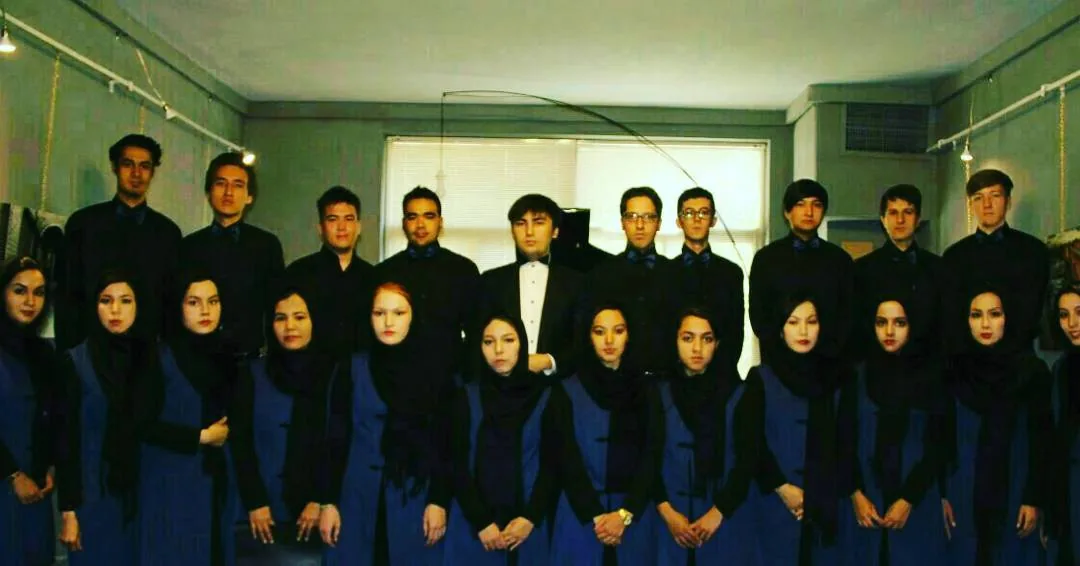
“Most groups organize trial sessions, placement auditions, and lend the scores needed to get started.”
- Joining process: trial session, short vocal-range audition, meeting with the conductor.
- Logistics: check times, location, concert schedule, membership fee, and score lending.
- Practical preparation: binder, pencil, rehearsal recordings, and concert attire.
- Integration: regular attendance, personal work, and team spirit help new members feel welcome.
- Voice sections: identification is based on vocal range; men and women can be helped by the conductor to find their place.
Tip: attend an open rehearsal or open house to get a feel for the atmosphere before committing.
Conclusion
To conclude, remember the open access that collective singing offers anyone wishing to discover vocal music.
The choir brings together voices organized by section, with a conductor who structures the project and singers who learn listening and pitch accuracy. The professional choir, for its part, often carries higher demands and a different institutional framework.
Dare to take the step: contact a local group, attend a rehearsal, and try your place without fear. Concerts provide a motivating goal and make it possible to measure progress.
Singing creates connection: listening, collaboration, and perseverance enrich cultural and spiritual life. To learn more about the liturgical role and repertoire, see the dedicated resource.