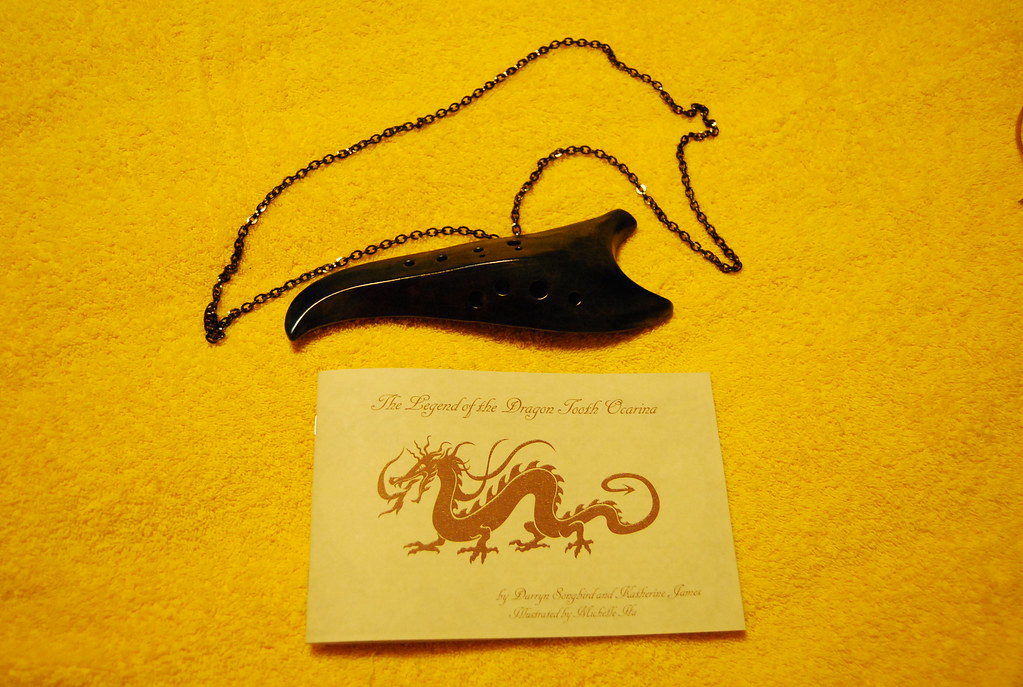

Tapion’s iconic melody, composed by Shunsuke Kikuchi, has captivated fans since the release of the film Dragon Ball Z : Ryuken explose !! in 1995. This musical theme has become a powerful symbol of the universe, touching several generations.
This legendary ocarina has left a lasting impression thanks to the simplicity of its melody and its emotional depth. This piece is one of the most sought-after scores among enthusiasts, with 12 alternative versions created by talented musicians such as Joebertin and Wukong.
In this article, we will explore how this melody continues to move music and animation fans. You will also discover the context behind its creation and the lasting impact it has had on the ocarina player community.
Introduction to Tapion’s ocarina and its importance in Dragon Ball
In the rich universe of Dragon Ball, music plays a fundamental role. Each carefully composed melody contributes to the identity of the characters and the atmosphere of the stories. The film Dragon Ball Z : Ryuken explose !! (1995) is no exception. It introduces a mysterious hero, Tapion, whose ocarina has become iconic.
This character, created by Akira Toriyama, uses his instrument to seal away the monster Hirudegarn. The music, written by Shunsuke Kikuchi, heightens the narrative tension, with every note carrying dramatic intent. As one fan puts it:
“Every note of the melody evokes a deep emotion, connecting the viewer to the story.”
Tapion’s melody stands out for its unique emotional weight. It transcends the framework of the film to become a cultural phenomenon, especially among ocarina enthusiasts. This secondary character captured fans’ hearts, becoming a cult hero thanks to the evocative power of his music.
The musical themes in Dragon Ball are much more than simple accompaniment. They are points of convergence between visual storytelling and musical expression. The fan community has kept this melody alive, giving it a life far beyond the release of the original film.
To explore this work further, you can consult online resources such as this site devoted to Tapion’s ocarina music, which offers sheet music and tutorials. Tapion’s music continues to inspire, proving that even lesser-known heroes can leave an indelible mark.
The story behind Tapion’s melody in Dragon Ball Z
Tapion’s musical universe is enriched by a captivating melody born from a moving story. The film Dragon Ball Z : Ryuken explose !!, released in 1995, benefited from the work of Shunsuke Kikuchi, who composed music that became legendary. This melody became iconic, leaving a lasting mark on fans.
In the plot, the character Tapion plays a central role. His ocarina is not just an instrument: it is used to contain the monster Hirudegarn. Tapion’s music, written in the key of C major, reinforces the narrative tension. Every note is charged with emotion and captures the listener’s attention.
Akira Toriyama designed this melancholy hero, whose melody expresses all his suffering and courage. This unique approach allows the story to stand apart from the other films in the franchise. Indeed, the darker and more introspective tone of this work offers a depth rarely seen in Japanese animated films of the 1990s.
Players such as Akanekumo say that this score taught them to master their breath while telling a story. Tapion’s music transcends simple entertainment to become a true narrative vehicle in service of the story.
Why learn Tapion’s ocarina score?
Tapion’s captivating melody is an excellent opportunity for anyone who wants to begin learning the ocarina. This score is not only accessible, but also offers a rewarding learning experience.
Indeed, the score for 12-hole ocarina is designed for beginners. It teaches the basic scales while allowing players to focus on finger accuracy thanks to its slow rhythm. This makes it an ideal starting point for those who are afraid of becoming discouraged by more complex melodies.
Accessibility for beginners and musical progression
This music stands out for its balance between simplicity and depth. Here are a few reasons why it is often recommended:
- It is an ideal starting point for beginners who want to learn the ocarina without becoming discouraged.
- The simplicity of the notes allows for quick progress while developing the fundamentals of the instrument.
- Each melodic phrase tells a story, adding a unique emotional dimension to the learning process.
- Tapion’s ocarina has become essential for all fans of animated film music.
- Ocarina teachers often recommend this score as the first piece to master.
- It combines technical accessibility with expressive richness, a rare balance in this instrument’s repertoire.
- Musicians say this score opened the door for them to more advanced ocarina practice.
The emotional and narrative dimension of the melody
Beyond its technical aspect, Tapion’s melody has a strong emotional dimension. Every note evokes deep feelings, allowing musicians to connect with the story it tells. Players especially appreciate this connection, as it turns learning into an immersive experience.
For those who want to deepen their understanding, online resources such as this sheet music and tutorial site for Tapion’s music offer scores and tutorials. By learning this melody, musicians do more than play notes; they also take part in a tradition that celebrates the overlooked heroes of the universe.
Overview of the 12-hole ocarina and its technical features
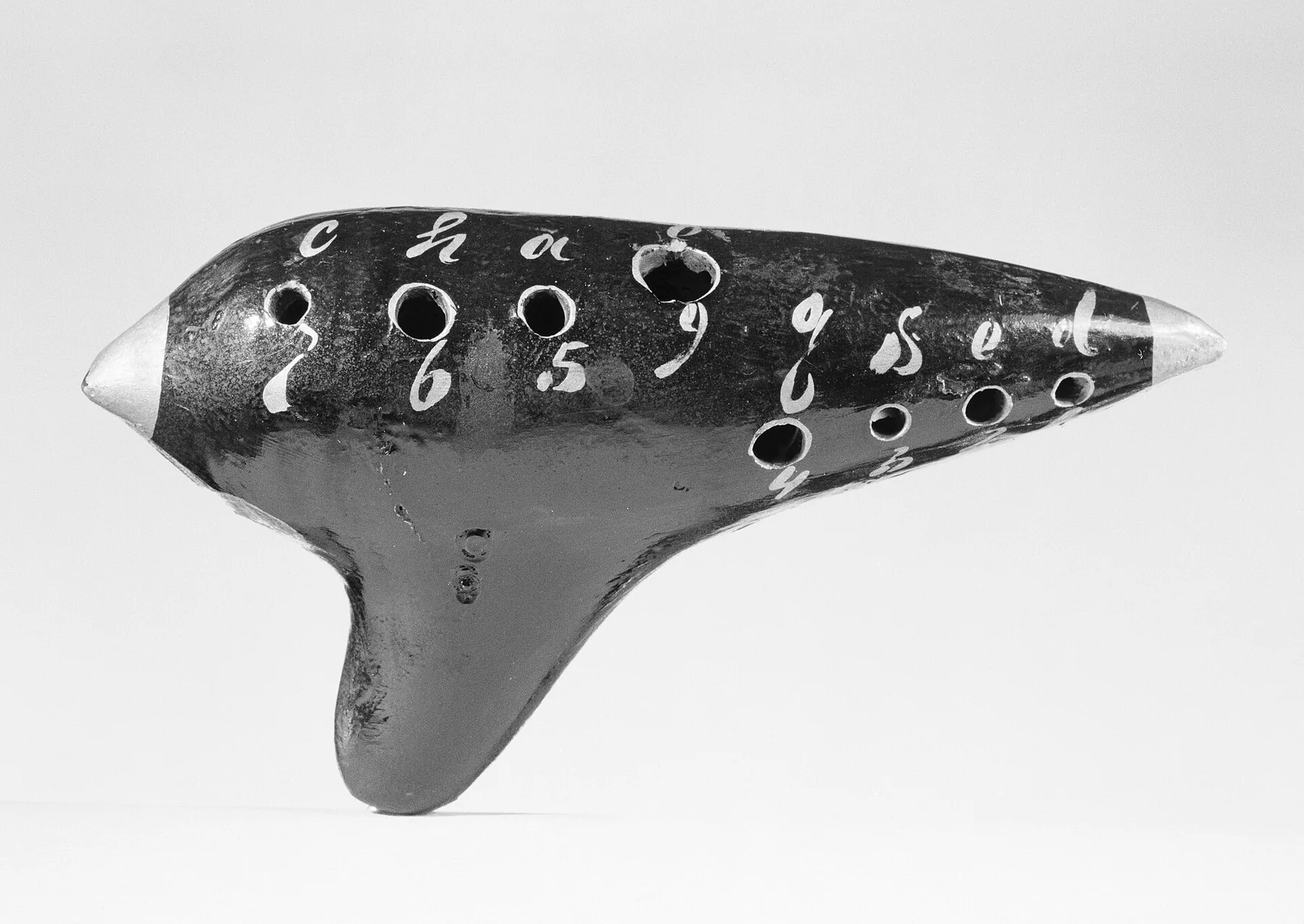
The 12-hole ocarina is a fascinating instrument, perfectly suited to performing the iconic melody. Its unique design allows it to produce rich and varied tones, making it the ideal choice for Tapion’s music.
This model became popular thanks to its use in various musical genres. The technical features of the 12-hole ocarina are specifically designed to harmonize with the C major scale, making every note accessible to musicians, whether they are beginners or experienced players.
Specific features of the instrument used for the melody
Modern ocarinas, such as 12-hole models, stand out for their shape and their ability to produce a wide range of notes. This ancient wind instrument has been improved over the years to offer an optimal playing experience.
Players can explore a broader range thanks to this instrument’s design. It allows complex melodies to be performed while remaining accessible. MissFwuffy_pole’s version, for example, is rated “Very easy” and has been appreciated by many users.
Advantages of a 12-hole ocarina for this score
Choosing a 12-hole ocarina offers several advantages for playing Tapion’s music:
- It offers a range suited to the C major scale, which is essential for this score.
- Its design makes it possible to produce all the notes needed to perform the melody accurately.
- It is recommended for beginners, making it easier to learn the basics of the instrument.
- 12-hole ocarinas are available in a variety of materials, allowing you to choose the one best suited to your style.
- They offer a rewarding sound experience, making every performance unique.
To learn more about the different models and their characteristics, you can consult online resources. For example, this selection of 12-hole ocarinas offers a wide selection of ocarinas, including 12-hole models that are perfect for musicians of all levels.
| Feature | Details |
|---|---|
| Instrument type | 12-hole ocarina |
| Scale | C major |
| Ease of learning | Very easy |
| Recommended use | Beginners and experienced musicians |
| Materials | Ceramic, plastic, etc. |
The basic notes and simplified tablature for the melody
To master the iconic melody, it is essential to become familiar with the fundamental notes. This melody is based entirely on the C major scale, making it accessible to all ocarina players.
The version created by MissFwuffy_pole in 2013 is an essential reference for beginners. Here are a few key points to remember:
- Measures 1 to 4 present a sequence of long notes: C, D, E.
- Measures 5 to 8 introduce a smooth transition that requires precise finger coordination.
- A metronome set to 60 BPM is recommended to stabilize the rhythm.
- Finger placement on holes 4 to 7 is essential for achieving the smooth transitions in this score.
This progressive melody allows you to develop your technique while enjoying the chance to play a familiar theme. Here is an overview of the simplified tablature:
The C major scale applied to the ocarina
The C major scale is ideal for budding musicians. Each note is carefully chosen to harmonize with the instrument. This allows beginners to focus on their breath and technique.
Analysis of the key measures (1-4 and 5-8)
Measures 1 to 4 focus on long notes, making it easier to learn breath control. These notes help players establish a solid foundation. Then, measures 5 to 8 introduce increasing complexity, making the learning process even more rewarding.
It is crucial to understand that each transition requires even pressure over the instrument’s holes. This ensures a clear sound and prevents wrong notes.
| Measures | Notes | Features |
|---|---|---|
| 1-4 | C, D, E | Sequence of long notes |
| 5-8 | Smooth transition | Holes 4 to 7 covered |
To take your learning further, feel free to consult online resources such as this site offering sheet music and tutorials for Tapion’s ocarina, which provides scores and tutorials. Learning this melody is a wonderful musical journey that will enrich your experience.
Fingering techniques for mastering the score
To excel in performing this score, it is crucial to master fingering techniques. The choices you make can greatly influence your performance. It is therefore important to compare the different versions so you can choose the one that suits you best.
Comparison table of the MissFwuffy_pole and Akanekumo versions
| Version | Difficulty | Tips |
|---|---|---|
| MissFwuffy_pole | Very easy | Light fingers on holes 4 to 7 |
| Akanekumo | Intermediate | Fast eighth-note alterations |
Tips for precise finger positioning
To avoid wrong notes, learn to position your fingers precisely on this musical instrument, the 12-hole ocarina. Here are some useful tips:
- Practice slowly at first before increasing the tempo.
- Repeat each difficult passage at least 10 times per practice session.
- Use the 11 comments left on the original tablature to improve your interpretation.
- Pay attention to keeping your fingers light on holes 4 to 7 for the beginner version.
- Analyze the technical differences between the two versions to better understand their requirements.
By following these tips, you will be able to progress quickly and perform this melody with confidence. Fingering techniques play a fundamental role in your learning and will help you achieve your musical goals.
Tips for mastering rhythm and musicality
To perform this melody well, it is essential to master rhythm and musicality. The recommended method is to first isolate the complex measures, play slowly without a metronome, and then gradually increase the speed. This will help you become familiar with the nuances of the music.
Progressive tempo work with a metronome
Discover how to use a metronome set to 60 BPM at first to stabilize your playing before speeding up. This will help you maintain a steady rhythm, which is crucial for this melody.
Breaking down complex passages
It is important to learn how to break down the complex passages of this music. The chorus, for example, contains the main rhythmic difficulties. Understanding this point is essential to avoid mistakes during performance.
- Master the rhythm of this melody by adopting a progressive approach that respects your natural learning pace.
- Learn to break down complex passages, especially the chorus, which requires particular attention.
- Understand the crucial point of regularity: playing each note with the same duration preserves the emotion of the melody.
- Incorporate the proven method of 10 repetitions per session, recommended by experts on the OcarinaWorld forum to build muscle memory.
- Work on your musicality by focusing on the nuances and breaths that bring this iconic melody to life.
- Discover how to alternate between slow and fast practice to develop both your precision and your fluidity of execution.
| Tips | Details |
|---|---|
| Using the metronome | Start at 60 BPM to stabilize the rhythm |
| Segmentation | Work on the chorus and difficult passages |
| Repetitions | 10 times per session to strengthen muscle memory |
| Regularity | Play each note with the same duration |
| Musicality | Focus on nuances and breaths |
Exploring the different versions of Tapion’s music
Exploring the many adaptations of Tapion’s music reveals a fascinating diversity. Indeed, there are 12 alternative versions of this iconic melody, each bringing a unique interpretation to the Dragon Ball universe.
The 12 popular variations and their characteristics
Here is an overview of the different versions that stand out for their style and approach:
- Joebertin: considered by the community to be the best version of Tapion’s theme.
- Akanekumo: a classic interpretation that respects the original spirit.
- Honorbrachios: a more rhythmic version, perfect for performances.
- Klororasta phyle: brings a modern touch to the melody.
- Leonato 13: plays at 70 BPM with fluid ornamentation.
- MissFwuffy_pole: a version accessible to beginners.
- Ocarina: an interpretation that highlights the beauty of the instrument.
- Tapion inversé par Tapion Conut: a curiosity that testifies to fans’ creativity.
- Tueurpro: known for its dynamic accents.
- Walker006: a bold and energetic approach.
- Rinku: a gentle and melodic version.
- Divaldivieso: an emotionally rich interpretation.
Comparison of Leonato 13’s and Wukong’s interpretations
Among these versions, Leonato 13 and Wukong stand out in particular. Leonato 13 plays at 70 BPM, integrating fluid ornamentation that brings a lyrical dimension to the melody. By contrast, Wukong performs the melody at 65 BPM, emphasizing dynamic accents that recall the energy of Super Saiyan battles.
These two versions illustrate how each musician reinvents this music through their own artistic lens. This creates atmospheres ranging from contemplative to epic, enriching the listeners’ experience.
By exploring these interpretations, you can draw inspiration from each musician’s artistic choices. This can also enrich your own interpretation and allow you to dive more deeply into the Dragon Ball universe.
Resources for improving: sheet music, tutorials, and communities
To make progress in learning the ocarina, several resources are available to you. These tools will help you master the iconic melody and enrich your musical experience.
Download sites and required registration
To download the tablatures, it is essential to create an account on specialized platforms such as OcarinaWorld. This site offers a vast selection of scores, including those from Dragon Ball. MissFwuffy_pole’s version is rated 3/5 with 9 likes, making it a popular option among beginners.
Communities and support forums
OcarinaWorld is an essential community where Dragon Ball enthusiasts share their versions and tips. These support forums make it possible to progress quickly thanks to feedback from experts such as Akanekumo, who published advanced advice in 2024.
Video tutorials and expert advice
Video tutorials are also available to visualize the techniques in detail. These resources will guide you through each movement, making learning smooth and enjoyable.
Understanding why creating an account on these platforms is essential for downloading scores in PDF or MIDI format will help you access a wide range of resources. The community of Dragon Ball fans keeps the saga’s musical legacy alive through constant exchanges between musicians.
Dive into the universe of Super Saiyan and Dragon Ball through the passionate discussions on forums dedicated to the ocarina. Identify the most reliable resources for learning this score, recommended by recognized figures in the community such as MissFwuffy_pole.
Finally, learn to use other users’ comments and ratings to choose the tablature version best suited to your level.
Conclusion
Mastering this timeless melody is a true musical journey. Breath control and fingering precision are essential for a successful performance. By learning this music, you join a passionate community that continues to enrich its legacy.
Share your progress with other enthusiasts to benefit from advice and encouragement. The importance of this instrument in the culture of the Dragon Ball universe extends far beyond its musical role. Tapion’s ocarina has become a unifying symbol for musicians.
Adopt the philosophy of continuous learning: every practice session is an opportunity to improve. Celebrate your achievements, because playing this melody pays tribute to one of the most beautiful musical themes in the history of Dragon Ball.
Get ready to explore other scores from this fascinating universe, strengthened by the experience gained with this foundational melody. Join the growing community of ocarina players who keep the magic of this timeless music alive around the world.