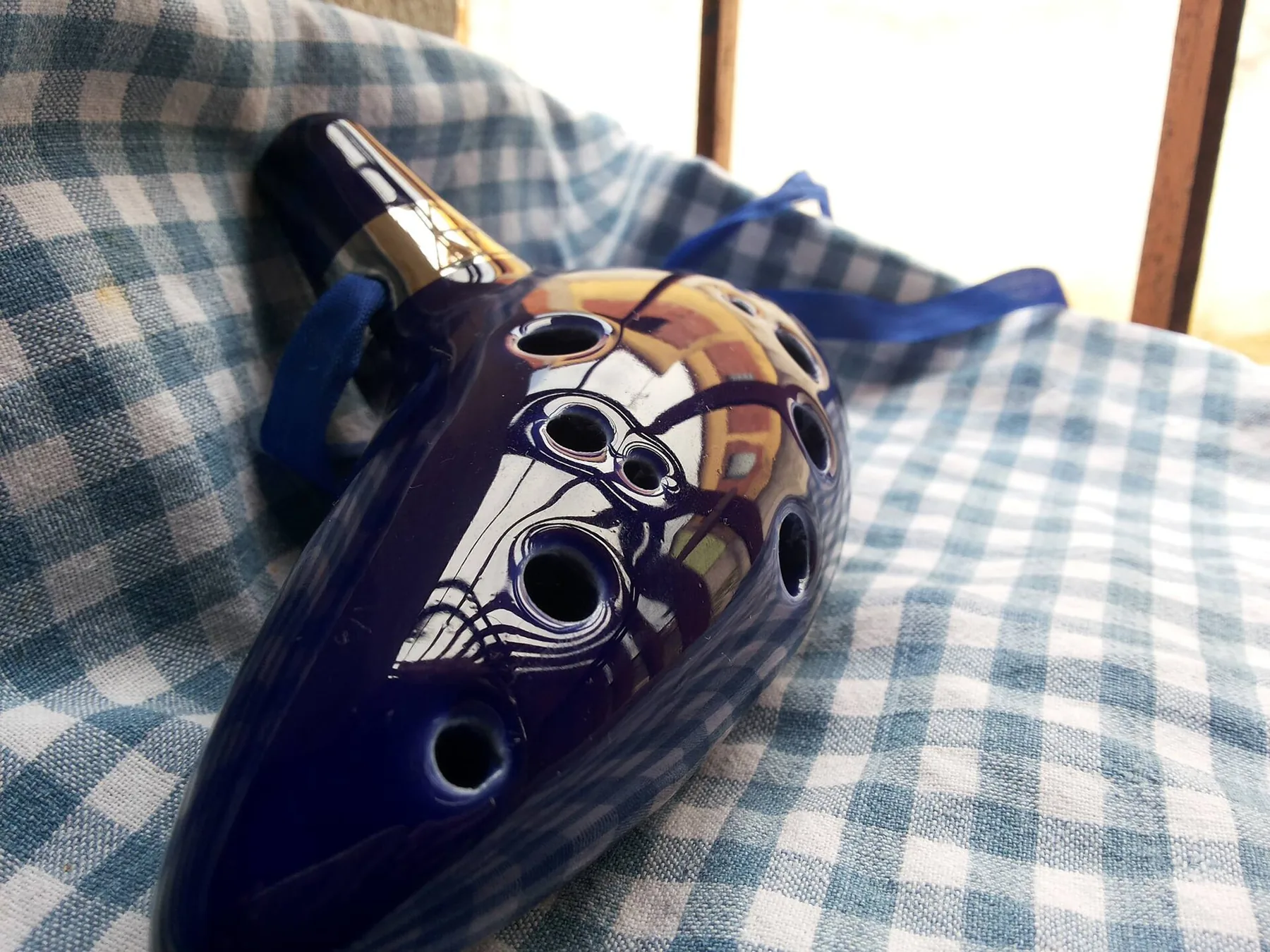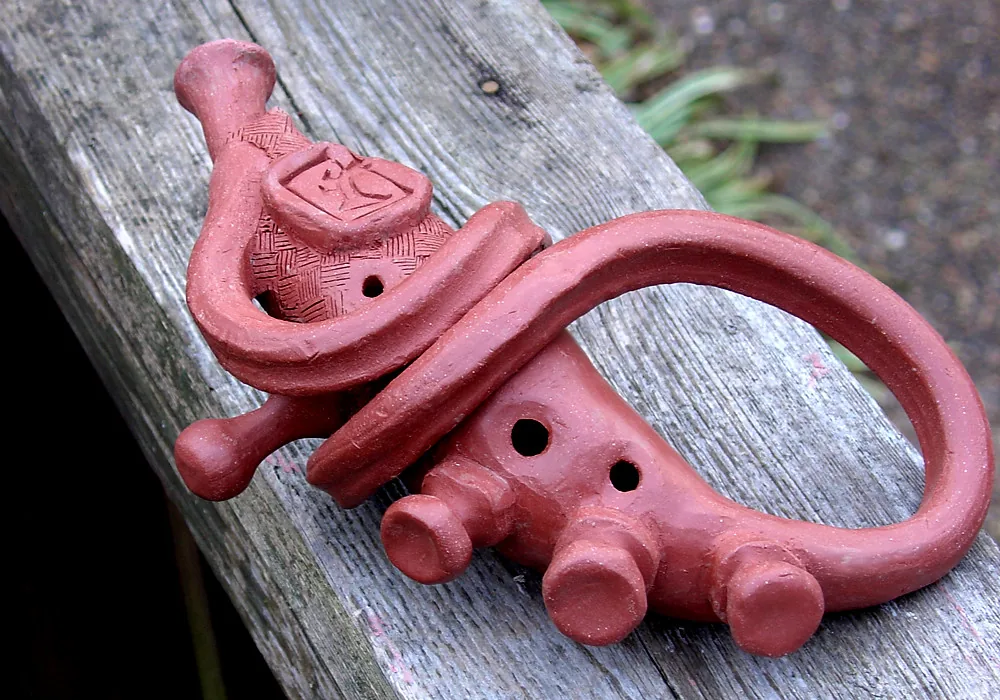
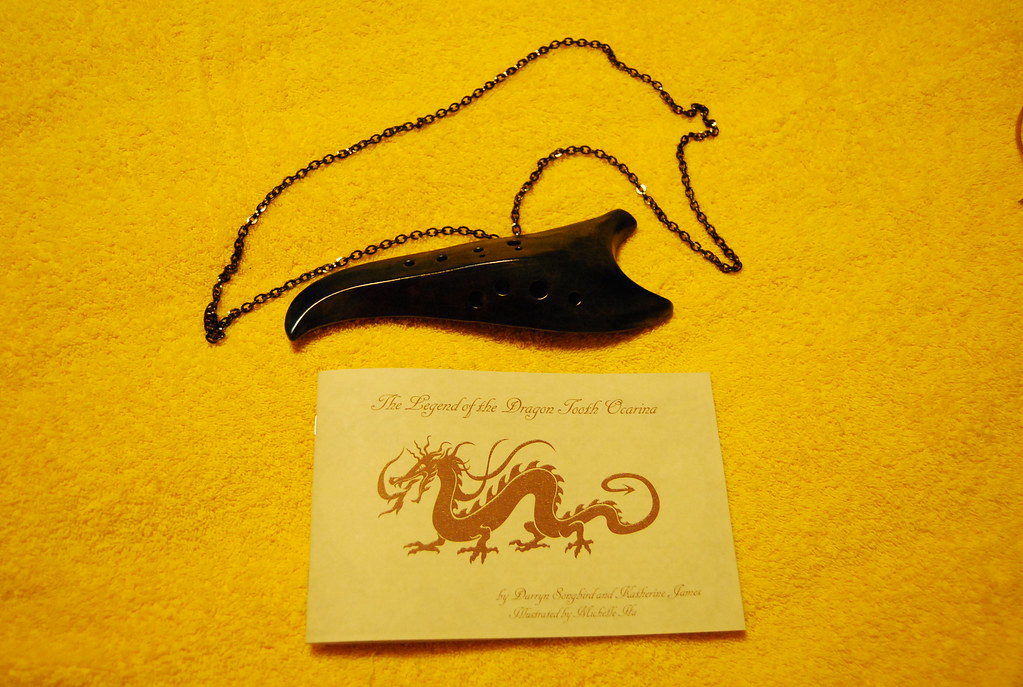
The wooden ocarina is a fascinating wind instrument, at the crossroads of tradition and modern playing practice. Its popularity has grown sharply in recent years, especially thanks to iconic works such as The Legend of Zelda. Since 2015, its appeal is said to have increased by 300%, attracting many musicians curious to discover its sound.
The choice of material is crucial. Wood directly influences timbre, breath response, and sound projection. It offers a distinctive warmth, but it is often more expensive and requires careful maintenance. This practical guide will help you explore the options available on the French market, from local artisans such as Musique de Terre to recognized brands such as STL Ocarina.
We will also cover the pitfalls to avoid, especially on online marketplaces, where a recent study found that 87% of ocarinas sold may be poorly tuned. Whether you are a beginner or an experienced musician, this guide will give you the reference points you need to make an informed choice suited to your needs.
Introduction to the wooden ocarina
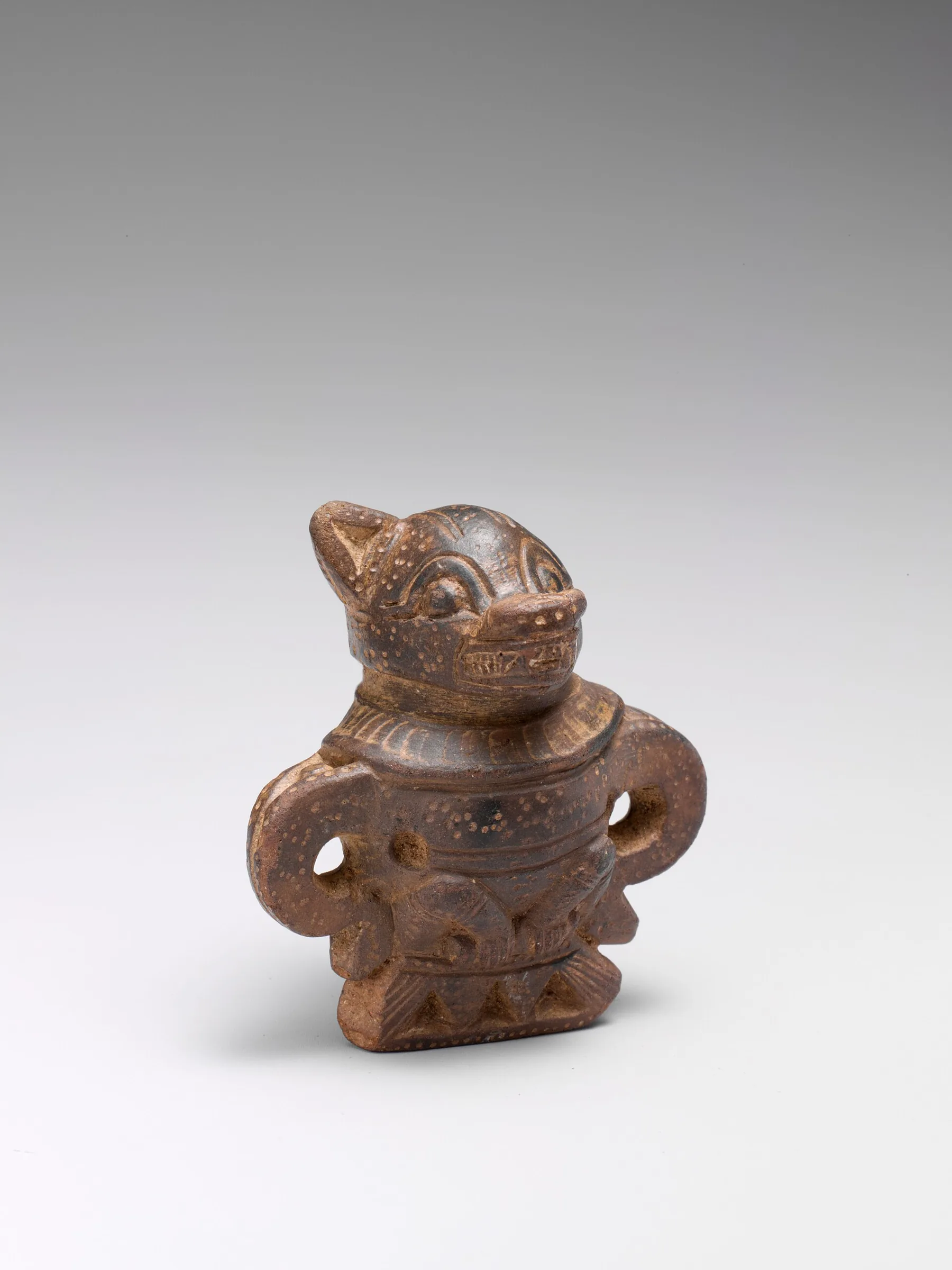
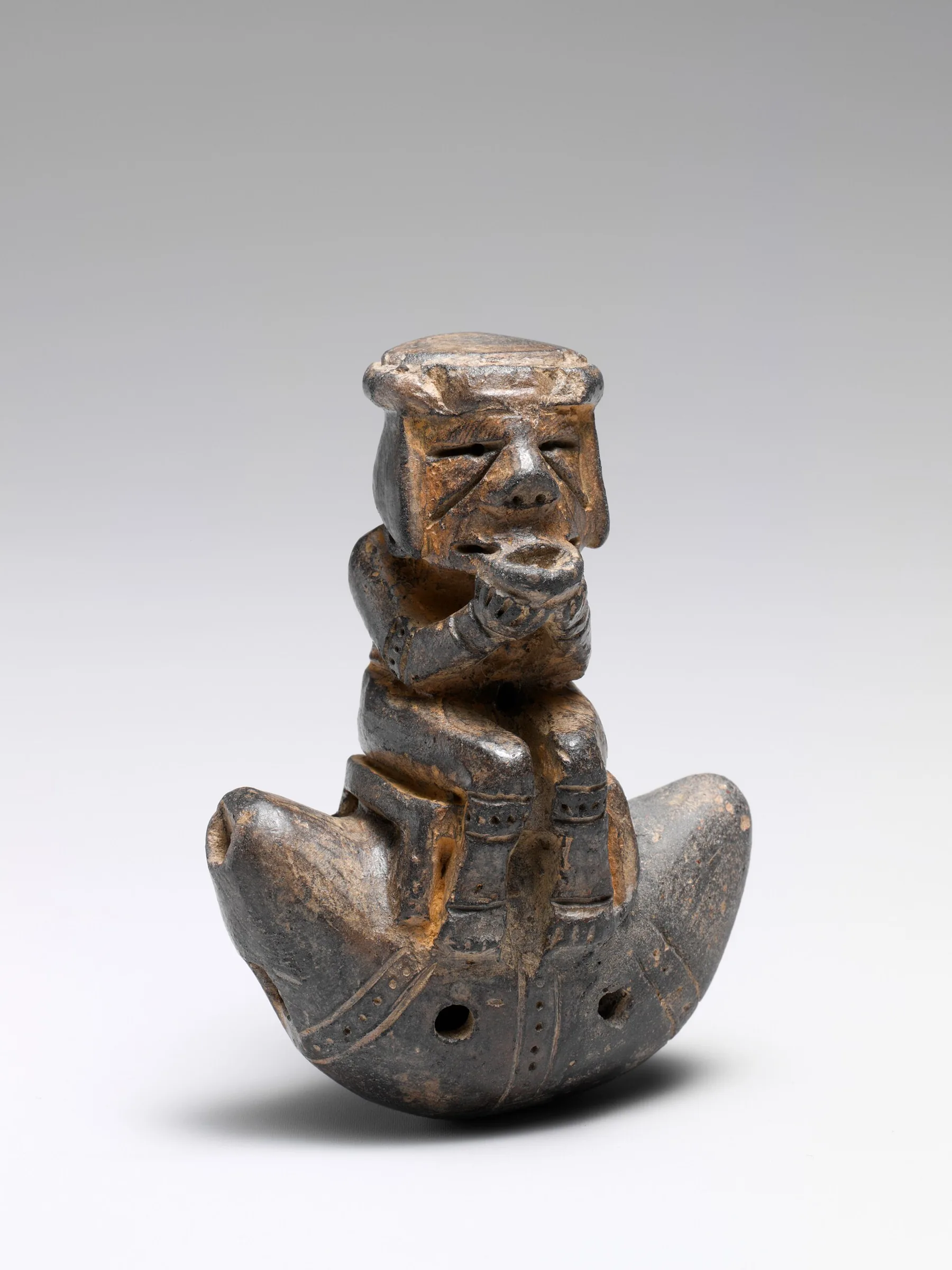
The origins of this instrument go back to ancient civilizations. The Maya and Aztecs were already using comparable wind instruments for communication and sacred rituals. This ancient history reflects the ocarina’s cultural richness.
In the 19th century, Giuseppe Donati modernized the ocarina, giving it its current transverse shape. This evolution helped spread it across Europe. Since 2015, this instrument has seen a spectacular resurgence of interest, with sales estimated to have risen by 300%, largely thanks to the The Legend of Zelda saga.
The material used to make an ocarina plays an essential role in its sound. Whether it is made of clay, ceramic, wood, or plastic, each material influences projection, feel, and breath response. Wood, in particular, stands out for its warm, organic timbre. This difference can be heard from the very first notes.
The material also affects the instrument’s weight, ergonomics, and durability. These criteria matter for everyday playing comfort. To choose the right ocarina, it is therefore important to understand how the material interacts with the breath, the holes, and the instrument’s range.
This section therefore lays the historical and technical groundwork needed to approach the different types of ocarinas and the specific qualities of wood with confidence. To explore the subject further, you can consult detailed information on the available models.
Understanding the different types of ocarinas
The world of ocarinas is rich and varied, with many options for musicians of all levels. Each type of ocarina has its own characteristics, which influence the choice of a suitable instrument.
Simple ocarinas: 4, 6, and 12 holes
Ocarinas with 4 holes are an ideal entry point for children and complete beginners. Their intuitive handling makes it easy to learn the first notes quickly.
6-hole models are a natural next step, with a range that can reach 17 notes. They suit musicians who want to explore a more varied repertoire without excessive complexity.
The 12-hole ocarina is considered the most versatile standard. With its 21 notes, it covers a range sufficient to play most pieces, from Zelda themes to traditional melodies.
Double- and triple-chamber models
Double- and triple-chamber ocarinas are intended for experienced musicians. They extend the range over 2 or 3 octaves. These models, however, require advanced control of breath, fingerings, and chamber changes.
Shapes and ergonomics: transverse and pendant models
There are also two main ocarina shapes. The transverse model, often called a sweet potato, is the most widespread and the most ergonomic for many players. The pendant model is more compact, but it can be more limited in range.
Ergonomics also depend on the number of holes and their layout. This criterion is important for playing comfort, especially for smaller hands.
For beginners, it is advisable to start with a 12-hole ocarina in C. This format is the most versatile and the best documented in terms of methods and tablature. It also offers good value for money for a first serious instrument.
Finally, the choice of ocarina type should come before the choice of material. Not all types are available in every material, with wood being rarer for multi-chamber models.
Wooden ocarina: an exceptional material
Choosing wood for a wind instrument reveals distinctive acoustic properties. Wood produces a warm, organic timbre, marked by an appealing softness. This characteristic makes it a preferred choice for traditional music and acoustic atmospheres.
Sound characteristics of wood
The sound signature of a wooden instrument is distinctive. Its velvety timbre offers a gentle, enveloping listening experience. The attack of the notes is often more gradual than on many ceramic models, allowing for nuanced expressiveness. Experienced musicians particularly appreciate this quality.
Specific advantages of wood
Wood has several strengths that make it appealing:
- Lightness: some models weigh up to 40% less than their ceramic equivalents, reducing fatigue during long playing sessions.
- Resistance: unlike ceramic, wood absorbs certain impacts better, making it a relevant choice for traveling musicians.
- Sound quality: the sound of a wooden instrument depends on the chosen species. For example, maple offers a clear sound, while rosewood enriches the low end.
- Tactile feel: wood feels warm to the touch, improving playing comfort.
In conclusion, the wooden ocarina is an exceptional choice for musicians looking for an instrument that is beautiful, durable, and has a strong sound personality.
| Wood species | Sound characteristics | Recommended use |
|---|---|---|
| Maple | Clear and balanced sound | Ideal for beginners |
| Rosewood | Enriched low end | Perfect for deeper pieces |
| Ebony | Density and projection | Recommended for group performances |
Limitations and constraints of wooden ocarinas
Choosing a wooden instrument means taking certain constraints into account. Although these instruments are appreciated for their unique sound, they have requirements that should be examined before purchase.
Maintenance and sensitivity to humidity
Wood is a living material, sensitive to variations in humidity. It is recommended to maintain a relative humidity level of 45 to 55% to limit the risk of cracks and warping. Regular maintenance is therefore essential.
It is advisable to apply a suitable oil or wax every 6 months. After each session, clean the instrument with a soft cloth. Then store it in a case, ideally with a hygrometer, to better control its environment.
Failure to follow these precautions can alter the instrument’s sound quality, or even make it unplayable. This discipline may feel restrictive to some musicians.
Cost and rarity of wooden models
The price of a quality wooden ocarina, such as those made by Hind, generally exceeds €200. This represents a significant investment compared with an entry-level ceramic model, which may cost between €35 and €60.
Wooden models are also rarer on the market. Few artisans master this craft, which limits choice and can lengthen delivery times.
Fragility and precautions to take
Although wood withstands impacts better than ceramic, it remains vulnerable to extreme conditions. Avoid exposing the instrument to direct sunlight, a heat source, or intense cold.
For musicians who often play outdoors, it is advisable to alternate between several instruments. This allows the wood to dry properly after use and limits premature wear.
These constraints are not deal-breakers, but they should be known before purchase. They help preserve the instrument’s longevity and avoid unpleasant surprises.
| Aspect | Details |
|---|---|
| Maintenance | Oil application every 6 months, regular cleaning |
| Price | €200 and up for quality models |
| Rarity | Few artisans, longer delivery times |
| Fragility | Avoid direct sunlight and extreme conditions |
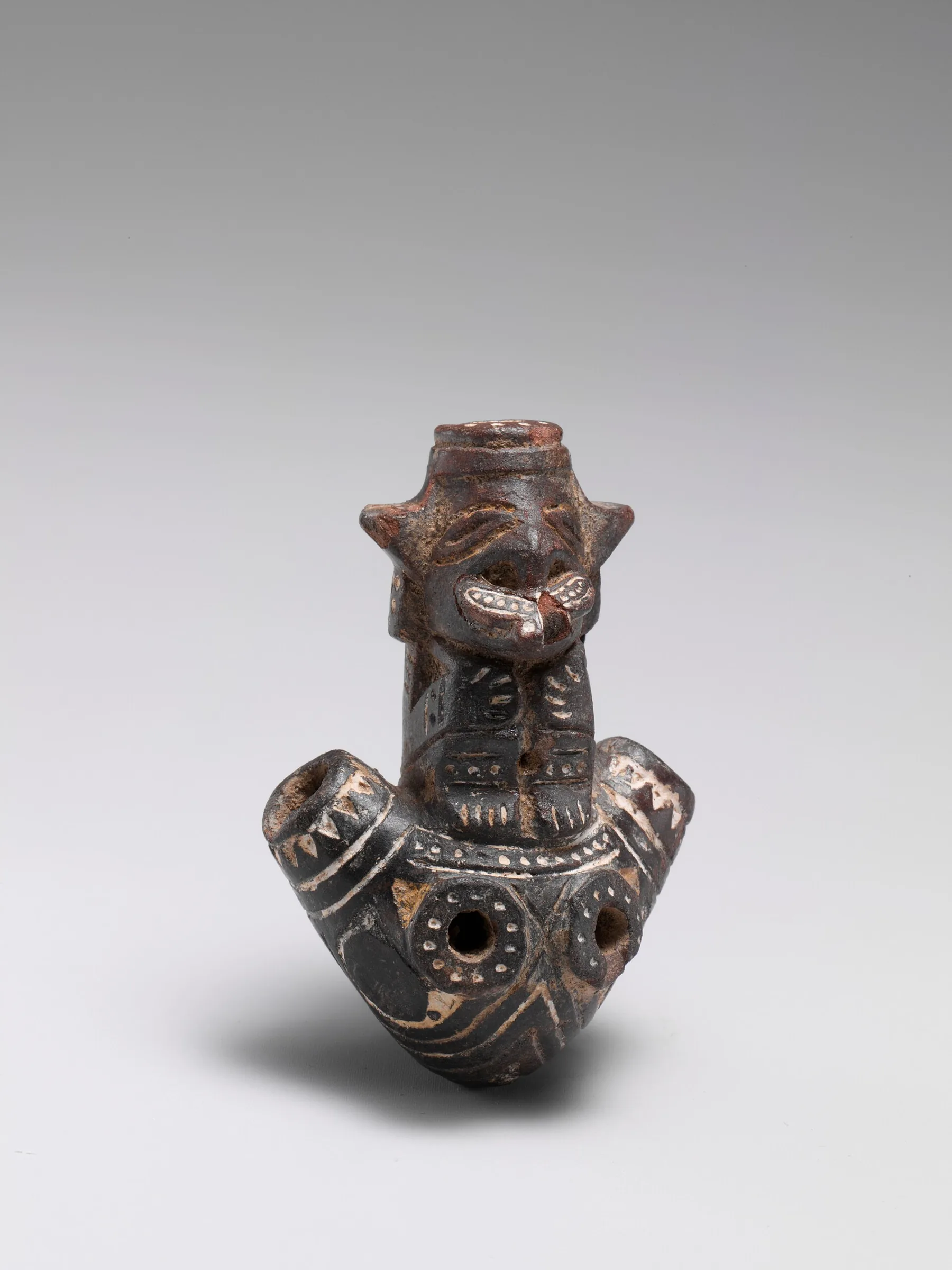
Comparison between wooden, ceramic, and plastic ocarinas
The variety of materials used to make wind instruments such as the ocarina strongly influences their sound. Each material has its own characteristics, which can guide a musician’s choice according to their needs.
Sound quality and projection
Ceramic stands out for its clear projection and stable tuning. It is particularly suitable for studio recordings and stage performances that require great precision.
Wood produces a warm timbre and a soft attack. This organic sound suits traditional music and intimate atmospheres.
Plastic, meanwhile, is an economical alternative. Although it is light and impact-resistant, it often offers a less rich sound projection. It will therefore not suit every musician.
Ergonomics, weight, and playing comfort
In terms of ergonomics, wood is generally lighter than ceramic, which reduces fatigue during long playing sessions. Plastic remains the lightest of the three, however, with appreciable comfort for traveling musicians.
The layout of the holes and the shape of the instrument also influence playing comfort. A good fit is essential to fully enjoy the musical experience.
Durability and maintenance
Ceramic is fragile and can break if dropped or exposed to thermal shock. Wood, although it withstands some impacts better, requires regular maintenance to avoid moisture-related problems.
Plastic, almost indestructible in normal use, requires only basic cleaning. This makes it a practical choice for beginners or children.
In terms of price, plastic is generally around €20, while ceramic models range from €35 to €150, depending on the tier. Wooden instruments, meanwhile, generally start at €200.
In conclusion, the choice of material depends above all on the intended use: ceramic for precision, wood for expressiveness and tactile pleasure, and plastic for mobility and a tight budget.
Wooden ocarina: advantages, limitations, and buying tips
When it comes to choosing a wind instrument, selecting a wooden model can be decisive. This instrument stands out for its warm and expressive timbre, offering a distinctive musical experience. However, several factors should be taken into account before making your choice.
Summary of key points to consider
Here are the main advantages and disadvantages to keep in mind:
- Advantages: a rich, enveloping sound, appreciable lightness for playing comfort, and greater impact resistance than ceramic.
- Disadvantages: an acquisition cost often above €200, the need for regular maintenance, sensitivity to climate variations, and sometimes limited availability on the market.
Why choose a wooden ocarina according to your profile
The choice of instrument should be suited to your profile:
- For a street musician, the relative robustness and warm sound of wood can be ideal, provided the instrument is protected from extreme conditions.
- Collectors will be drawn to the instrument’s rarity and natural aesthetics.
- A music-loving beginner may choose a wooden model if they want a soft sound from the outset and accept more demanding maintenance.
This instrument is particularly suited to traditional music and acoustic atmospheres. It produces an enveloping sound, including in reverberant environments.
It is essential to buy from recognized brands such as Hind, Musique de Terre, STL, or Spencer. This guarantees not only manufacturing quality, but also tuning accuracy and reliable after-sales service.
Finally, choosing a wooden instrument is also an aesthetic and sensory choice. The feel of the wood, its smell, and the patina it develops over time create a special bond between the musician and the instrument. Although the wooden ocarina is not always the most obvious choice for a first purchase, it represents a lasting investment for those who value warm sound and artisanal authenticity.
Choosing the right size and range
Choosing the right size and range for a wind instrument can transform your musical experience. Each musician must take several factors into account to make an informed choice. The available ranges directly influence playing style and accessible repertoire.
Soprano, alto, tenor, and bass ranges
The four main ranges are soprano, alto, tenor, and bass. The soprano is ideal for bright, high melodic lines, but it can become shrill if breath control is lacking. The alto, sometimes marketed under the English label Tenor in C depending on the manufacturer, is recommended for its versatility and balance, often making it the best choice for beginners.
The tenor produces warm, rich sounds, while the bass offers deep, enveloping lows. These lower ranges, however, require more sustained breath, which can be a challenge for some musicians.
Ergonomics by hand size
Ergonomics are a crucial aspect to consider. Hand size should guide the choice of model. An instrument that is too large will make the holes difficult to cover, while a model that is too small can become uncomfortable. It is therefore advisable to try several sizes before buying.
Impact on repertoire and musical style
Range also influences the accessible repertoire. For example, a bass will be better suited to accompaniments and slow pieces. An alto is perfect for varied melodies, while a soprano is suitable for fast, percussive pieces.
It is important to note that wood, because of its lightness, can make bass models more comfortable to hold despite their larger volume. Trying several ranges or watching demonstration videos can also help you form a clear idea of the sound before buying.
In conclusion, choosing the range is just as important as choosing the material. It determines playing enjoyment and the ability to progress without frustration.
Tips for getting started with a wooden ocarina
For novice musicians, starting with a wind instrument can seem intimidating. With good advice and suitable resources, however, it is possible to progress quickly and enjoy playing.
Recommended models for beginners
To get started well, it is advisable to choose a 12-hole alto ocarina in C. This model is the most versatile and the best documented for learning your first notes.
- Dinda is often cited for its entry-level models, especially in ceramic, generally priced between €35 and €60.
- For those who can invest more in a wooden ocarina, Hind’s creations offer superior sound quality.
Essential breath techniques and fingerings
Breath techniques are crucial for mastering this instrument. Unlike the transverse flute, the ocarina does not require you to form an edge tone with the lips, but it does demand precise control of air pressure. This must be adjusted for each note to ensure accurate tuning.
Start by learning the basic fingerings for a 12-hole ocarina. It is recommended to first work on simple scales in C major before moving on to more complex pieces.
Learning resources specific to wood
Several resources are available to support your learning:
- The OCTalk YouTube channel, which offers tutorials for beginners, has 150,000 subscribers.
- Gina Luciani offers tutorials focused on Zelda themes, perfect for fans of the series.
- The free Part’Ocarina tool lets you generate personalized tablature.
- The Ocarina Method Book Vol.1 is recommended for structured progress with daily exercises over 30 days.
Finally, it is advisable to record yourself regularly to assess your progress and correct tuning or breath issues. Wood, with its softer response, can be more forgiving for beginners who tend to blow too hard. It remains essential, however, to work on breath consistency from the start.
How to maintain your wooden ocarina
Taking care of your wind instrument is essential to ensure its longevity. Since wood is a sensitive material, it requires special attention to maintain its sound quality and avoid damage.
It is crucial to control the humidity of the environment where the instrument is kept. Wood should be stored in an environment with relative humidity between 45 and 55%. This limits the risk of cracks and warping.
Humidity control and storage
To monitor these conditions, using a hygrometer in the instrument case is recommended. This precaution is especially important during seasonal changes, when humidity can fluctuate.
Maintenance products: oils and waxes
It is advisable to apply a light vegetable oil, such as linseed oil, or a natural wax every six months. These products nourish the wood and preserve its sheen. A dry microfiber cloth is enough to clean the instrument after each session.
Precautions for the instrument’s longevity
When storing it, always place the ocarina in a padded hard case. Avoid direct sunlight, radiators, and sudden temperature changes. These precautions protect the wood and extend the instrument’s lifespan.
It is also advisable to alternate between several instruments during long playing sessions. This allows the wood to dry properly and avoids moisture saturation. Regular inspection of the holes and mouthpiece helps detect potential problems before they worsen.
In conclusion, regular maintenance, even if it only takes a few minutes per month, guarantees consistent sound quality and a lifespan of several decades for a well-maintained instrument.
| Aspect | Details |
|---|---|
| Humidity control | Humidity level between 45 and 55% |
| Maintenance products | Linseed oil or natural wax every 6 months |
| Cleaning | Dry microfiber cloth after each session |
| Storage | Hard case kept away from sunlight and temperature changes |
| Inspection | Regular checking of the holes and mouthpiece |
Focus on recognized wooden ocarina brands
The choice of manufacturer can greatly influence your musical experience. It is essential to turn to reputable brands to ensure a quality purchase. Several makers stand out on the market, each with its own characteristics and varied sounds.
Hind Ocarina and other French artisans
Hind Ocarina, led by Charlie Hind, is considered a worldwide reference for wooden instruments. Its creations are characterized by warm sounds and good note stability. Prices start at around €200, reflecting the manufacturing quality of its products.
Musique de Terre, Olivier Gosselink’s workshop, is also an important player in France. It offers handmade ocarinas, often in ceramic but sometimes in wood, with personalized support. Customers can even visit the workshop to discover the manufacturing process.
Comparison with international brands
Internationally, Spencer, in the United States, focuses on the high end, with carefully finished instruments. STL Ocarina stands out for its broad educational range, suited to beginners as well as experienced musicians. Dinda, from Thailand, offers good value for money, although its specialty is more ceramic.
Selection criteria: quality, warranty, after-sales service
When choosing a brand, several criteria should be taken into account:
- Manufacturing quality: make sure the instrument is well built and offers reliable tuning accuracy.
- Warranty: check that a warranty of at least 2 years is offered in the European Union.
- After-sales service: good after-sales support is essential for quickly resolving any issues.
- Return policy: a return period of at least 14 days is recommended.
Traceability is also important. A serial number and certificate of origin guarantee the instrument’s authenticity, protecting your purchase against counterfeits.
Before placing an order, it is wise to consult verified reviews and musician forums. This gives you a clearer idea of a brand’s real reputation.
In conclusion, choosing a recognized brand means investing in an instrument that will satisfy you in the long term. Good after-sales service is an additional asset if a problem arises.
| Brand | Characteristics | Approximate price |
|---|---|---|
| Hind Ocarina | Warm sounds, good note stability | From €200 |
| Musique de Terre | Handmade craftsmanship, personalized models | Varies by model |
| Spencer | High end, careful finishes | From €300 |
| STL Ocarina | Broad educational range | From €50 |
| Dinda | Good value for money | From €30 |
Buying guide: where and how to buy a wooden ocarina
Buying a musical instrument can be tricky, especially when it is a wooden model. To help you, here are the main purchasing options, with a comparison between specialist shops and online marketplaces.
Specialist shops or marketplaces
Specialist shops, such as STL Ocarina, Ocarina World, and Musique de Terre, offer tested instruments and personalized advice. These stores provide better assurance of product quality, which is essential for a serious purchase.
By contrast, marketplaces such as Amazon, AliExpress, or Wish carry greater risks. A 2022 study found that 87% of ocarinas sold on AliExpress are poorly tuned. Vague descriptions and blurry photos should alert you.
Pitfalls to avoid when buying online
Before making an online purchase, it is crucial to take certain precautions. Asking for a demonstration video of the instrument is an important step. It allows you to check tuning accuracy and sound projection.
Also read verified reviews carefully. Favor detailed feedback from musicians rather than generic ratings, which are often unreliable. This will give you a better idea of the instrument’s real quality.
Importance of demonstration videos and verified reviews
Demonstration videos are essential to make sure the instrument meets your expectations. Before any purchase, ask to see a video showing the full range played by the seller. This makes it possible to check the breath curve and note accuracy.
In the European Union, consumers benefit from 14 days to withdraw and a 2-year legal warranty. These protections are important for a worry-free purchase.
Avoid offers that seem too attractive. A wooden ocarina offered at an abnormally low price is often of uncertain quality. Contact customer service directly to assess its responsiveness: this is a good indicator of the seller’s reliability.
In conclusion, taking the time to choose the right seller is just as important as selecting the right instrument. Good after-sales service can make all the difference if a problem arises.
| Purchase criteria | Specialists | Marketplaces |
|---|---|---|
| Guaranteed quality | Tested instruments | High risk of counterfeits |
| Personalized advice | Yes | No |
| Return policy | 14 days minimum | Variable |
| Demonstration videos | Often available | Rare |
| Price | Variable, often higher | Low prices, but questionable quality |
Assessing value for money for a wooden ocarina
Understanding the value for money of a wooden ocarina is crucial for making an informed choice. Prices can vary considerably depending on the range and the manufacturer. This can influence your purchase decision and your long-term satisfaction.
Price ranges by tier and manufacturer
Price ranges for wooden ocarinas are generally as follows:
- Entry level: from €200, with models often suited to motivated beginners.
- Mid-range: between €250 and €350, with better sound quality and more careful finishes.
- High end: more than €400, with exceptional pieces made by Hind or Spencer.
By comparison, a quality ceramic ocarina starts at around €35 to €60 from some manufacturers such as Dinda, while mid-range models from Stein or Focalink cost between €40 and €150. Plastic remains the most economical option, with prices around €20.
When should you move upmarket?
It is advisable to move upmarket after 1 to 2 years of practice. At this stage, musicians often begin to feel the limits of their current instrument in terms of projection, timbre, or ergonomics.
For a street musician, investing in a robust wooden model can be wise, provided it is carefully protected. By contrast, studio use may justify a precise ceramic instrument, while a collector may seek out a rare piece.
It is important to remember that price is not everything. Two instruments at a similar price can offer very different playing sensations. Listening to demos and, if possible, trying before buying therefore remain essential.
In conclusion, a well-calibrated budget helps avoid impulse purchases and disappointment. It guarantees an instrument capable of accompanying the musician for many years.
| Category | Indicative price | Characteristics |
|---|---|---|
| Entry level | From €200 | Models suited to motivated beginners |
| Mid-range | €250 – €350 | Better sound quality |
| High end | More than €400 | Exceptional pieces |
| Ceramic | €35 – €150 | Models vary by range |
| Plastic | About €20 | Economical option |
Essential accessories to protect the instrument and optimize your playing
Investing in suitable accessories helps improve your musical practice and preserve your instrument. Several items are essential to ensure its longevity and make learning easier.
Cases, hygrometers, tuners
A hard or padded case is the number-one accessory. It protects your instrument from impacts, dust, and climate variations during transport and storage.
A hygrometer is also recommended. Placed in the case, it allows you to constantly monitor the humidity level. This helps prevent costly cracks in a wooden instrument.
A digital tuner is essential for checking the accuracy of each note, starting with A at 440 Hz. This learning tool is valuable for beginners who want to adjust their breath.
Additional methods and learning materials
To structure your learning, printed methods such as the Ocarina Method Book Vol.1 are very useful. They allow you to progress step by step.
Tablature apps can also make learning new pieces easier. These tools make practice more interactive and motivating.
A neck strap or stage stand is useful for securing the instrument between pieces, especially outdoors where wind can make holding it less stable.
It is also advisable to buy microfiber cloths for daily cleaning and specific maintenance products, such as a light vegetable oil or natural wax, to nourish the wood.
Finally, keeping a practice notebook to record your progress, tempos, and goals is a habit that supports consistency and motivation.
Although these accessories represent an additional cost, they are a worthwhile investment for protecting your instrument and optimizing everyday playing comfort.
| Accessory | Use |
|---|---|
| Hard or padded case | Protection against impacts and climate variations |
| Hygrometer | Humidity monitoring to avoid cracks |
| Digital tuner | Checking note accuracy |
| Learning methods | Structuring the learning process |
| Microfiber cloths | Daily cleaning of the instrument |
Tips for playing outdoors and in mobile situations
For musicians who perform outdoors, the choice of instrument is crucial to ensuring a successful experience. Wooden instruments offer notable advantages in these contexts, provided a few precautions are observed.
Advantages of wood in the face of climate variations
Wood withstands drops better than ceramic, which reassures street musicians and travelers. Its relative robustness is a valuable asset during open-air performances.
The warm, organic timbre of wood can also unfold well in reverberant environments. Whether in a park, a church, or a public square, its sound creates a distinctive atmosphere.
It is important to remember, however, that wood remains sensitive to climate variations. Avoid direct exposure to sunlight, extreme temperatures, and excessive humidity. These factors can alter the tuning and structure of the instrument.
Accessories for transport and protection
To protect your instrument while traveling, invest in a hard case with an integrated hygrometer. This will let you monitor humidity and prevent damage.
A neck strap is also recommended to secure the instrument between pieces, especially outdoors where wind can interfere with holding it.
After each session, a microfiber cloth is useful for wiping away accumulated moisture. This helps keep the instrument in good condition.
For truly extreme conditions, consider a plastic model such as the Night by Noble. This type of instrument offers robustness and lightness suited to frequent travel.
It is also advisable to alternate between several instruments during long sessions. This allows the wood to dry properly and avoids moisture saturation.
Finally, the lightness of wood reduces fatigue during long musical walkabouts, a welcome advantage for traveling musicians.
In conclusion, playing outdoors with a wooden instrument is entirely possible. Provided you take a few simple precautions, you can preserve your instrument’s sound quality while enjoying music in the open air.
| Accessory | Use |
|---|---|
| Hard case | Protection against impacts and humidity |
| Hygrometer | Humidity monitoring to avoid damage |
| Neck strap | Securing the instrument between pieces |
| Microfiber cloth | Cleaning moisture after each session |
| Plastic model | Robust alternative for extreme conditions |
Deepening your learning and progressing with a wooden ocarina
To progress with your instrument, it is essential to explore suitable learning methods. Regular practice and specific exercises are indispensable for developing your musical skills.
Exercises suited to the characteristics of wood
Wood, with its soft response, requires precise breath exercises. Here are a few recommendations:
- Work on consistency: focus on air pressure for each note. This helps you master the soft attack offered by wood.
- Fundamental scale: start with C major across the instrument’s full range. This will develop your muscle memory and tuning accuracy.
Websites, YouTube channels, and tablature tools
Many online resources can enrich your learning:
- OCTalk YouTube channel: with 150,000 subscribers, it offers varied tutorials for all levels.
- Gina Luciani: ideal for Zelda themes and popular pieces.
- Part’Ocarina: an open-source tablature generator that lets you create personalized scores.
- Ocarina Method Book Vol.1: this printed method offers a structured 30-day program, including fingerings, breath work, and first pieces.
To progress effectively, it is advisable to practice 15 to 20 minutes per day. Set clear goals and record yourself to assess your progress. Forums and online communities are also valuable places to share experiences and advice.
Finally, do not hesitate to vary musical styles to explore every facet of your instrument. Traditional music, folk, or classical compositions: each style enriches your experience.
In conclusion, progressing with a wind instrument is a rewarding journey. With patience and consistency, you will discover an increasingly beautiful and controlled sound.
Conclusion
Every musician finds a unique connection with their instrument, which becomes a true companion on their musical journey. For a first purchase, the 12-hole alto model in C is often the ideal starting point. The choice of material is also essential: choose wood for its warmth and expressiveness, ceramic if you are looking for great precision, and plastic if mobility and budget are priorities.
Recognized brands such as STL, Musique de Terre, Hind, and Spencer strengthen the quality of your purchase. Keep in mind that wood offers a warm timbre and appreciable lightness, but it requires regular maintenance.
To get started well, download our free PDF fingering guide and share your first pieces on dedicated forums. In our next article, we will discuss customizing the instrument to make it a unique object.
In conclusion, a wooden instrument is much more than a simple tool: it is a musical object that develops a patina and grows more beautiful over time. Visit the recommended shops, listen to demos, and immerse yourself in the pleasure of playing.