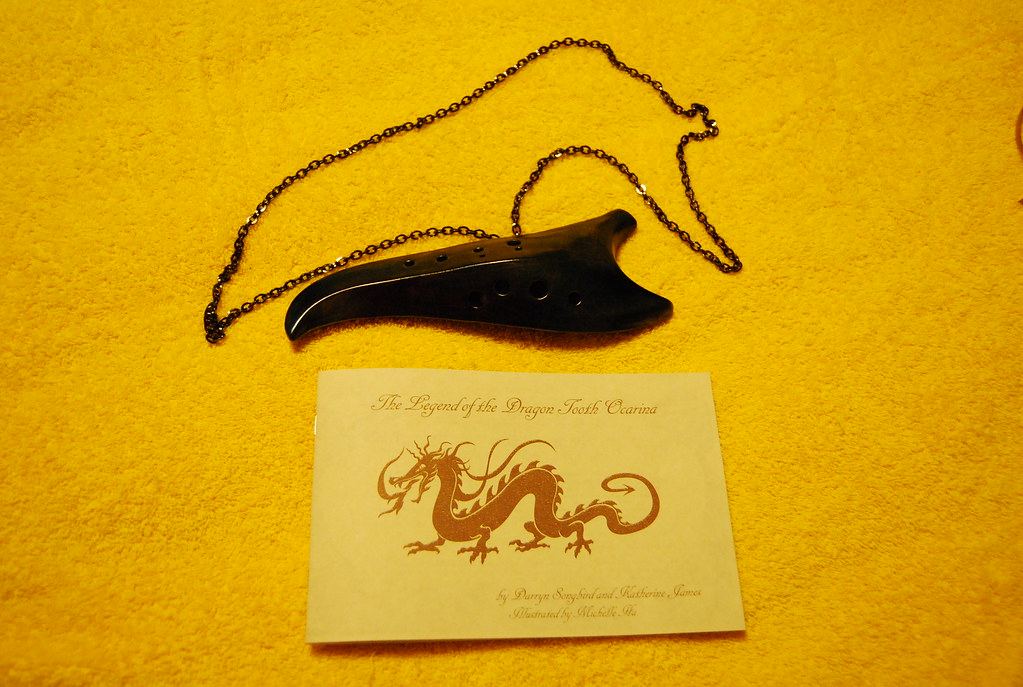
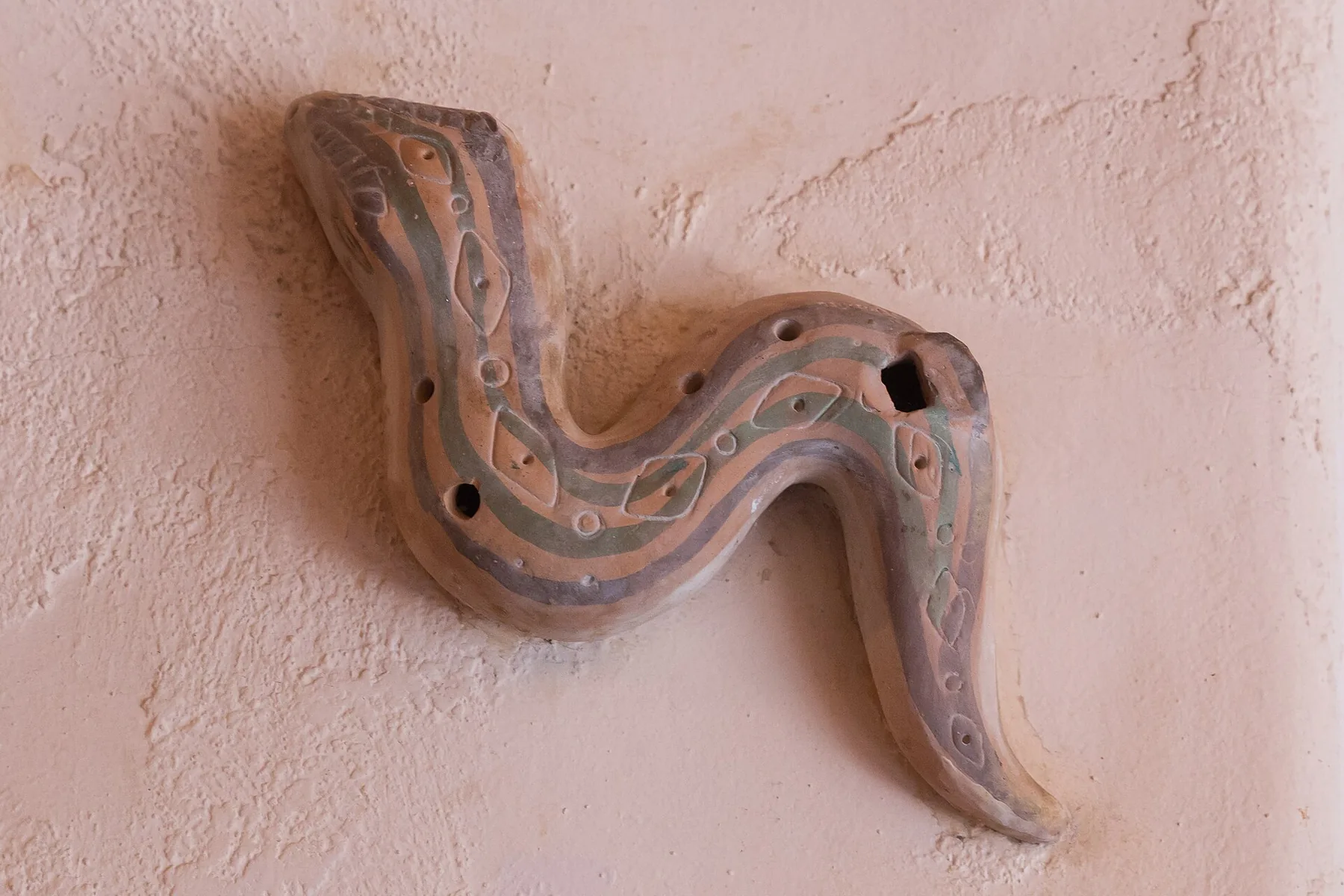
The ocarina is a fascinating wind instrument, made famous by the Zelda video game saga. Its soft, captivating sound attracts many music enthusiasts. However, choosing the right model is essential to avoid disappointment.
Prices for these instruments vary considerably. Entry-level models start at around €40, while professional instruments can exceed €300. A 12-hole ceramic ocarina for beginners generally costs between €30 and €60.
Quality is crucial. In fact, 85% of buyers of low-end models on platforms such as Amazon or Wish are often disappointed by poorly tuned instruments. Reputable brands such as STL Ocarina, Musique de Terre, and Focalink offer higher-quality options.
This guide will help you navigate the different price ranges and find the ideal ocarina for your budget and musical level. In the sections ahead, we will look at pricing criteria, recommended brands, and practical tips for a successful purchase.
Introduction to the ocarina: a unique and accessible musical instrument
The world of wind instruments is rich and varied, and among them, the ocarina stands out for its unique design and captivating sound. Often shell-shaped or ovoid, this instrument offers a musical experience that is both accessible and fascinating.
Its popularity exploded thanks to the famous video game The Legend of Zelda, which captivated many new enthusiasts. This exposure helped the ocarina become known beyond traditional music circles.
It is important to note that there is a significant difference between a high-quality traditional model and cheap musical toys. The latter are often poorly tuned and can be frustrating, discouraging budding musicians. For the best experience, it is recommended to choose an ocarina that meets real quality standards.
In terms of cost, this musical instrument remains relatively affordable compared with other wind instruments such as the transverse flute or the clarinet. Beginner models can be found from €30, making this art accessible to a wide audience.
Tuning is an essential criterion for ensuring a good musical experience. A poorly tuned ocarina can quickly become a source of frustration, even for the most motivated musicians. For beginners, a model in C major is often recommended.
There are several types of ocarinas on the market, including:
- 4-hole models;
- 6-hole models;
- 12-hole models;
- double- or triple-chamber models.
Each type is suited to different levels and musical goals. The ocarina player community is also very active, with many online resources, such as the YouTube channels OCTalk, Gina Luciani, and Tristan Laurens, which offer advice and tutorials.
In conclusion, choosing the right ocarina from the start is essential if you want to progress quickly and fully enjoy the music. For more information on prices and models, feel free to visit specialist sites such as Instruments du Monde.
Ocarina price: how much does a good instrument cost? Understanding purchase intent
In the world of wind instruments, the diversity of models and prices can be confusing. French consumers interested in this unique instrument often want to understand the real value of their purchase. Purchase intent varies considerably, from beginners drawn in by the magic of The Legend of Zelda to experienced musicians looking to expand their repertoire.
Current price ranges on the French market are as follows:
| Category | Price range | Model examples |
|---|---|---|
| Entry level | €40 – €70 | Dinda €35, Night by Noble €42, Dragon STL Ocarina €55 |
| Mid-range | €70 – €200 | Gosselink Oisocarina €89, Spencer €180 |
| High-end | €200 – €400 | Musique de Terre Triple C3 €210 |
For a first purchase, the ideal budget is between €30 and €60. This range allows you to buy a 12-hole ceramic ocarina, often recommended for beginners. These models offer excellent value for money while ensuring satisfactory tuning accuracy.
However, it is crucial to be wary of offers that look too tempting on platforms such as Amazon or Wish. Ocarinas under €20 are often poorly tuned toys, which leads to disappointment for 85% of buyers. Investing in a recognized brand such as STL Ocarina or Musique de Terre is essential to ensure better sound quality and long-term satisfaction.
The price of an ocarina directly reflects the quality of its construction, the accuracy of its notes, and the durability of the instrument. These criteria are fundamental for making progress in music. Compared with other instruments, an ocarina remains relatively accessible, far from the cost of a grand piano or a saxophone.
“Investing in a quality ocarina is the key to a rewarding musical experience.”
In conclusion, purchase intent should be guided by the search for sound quality and accurate tuning rather than by design or the lowest price. For more information on the different models and their characteristics, see our ocarina buying guide.

The criteria that influence the price of an ocarina
Choosing an ocarina means taking several criteria into account that directly affect its price and sound quality. Materials, range, and number of holes are essential factors to consider.
Materials: plastic, ceramic, or wood
The materials used to make this instrument strongly influence its cost. ABS plastic is light and durable, making it an ideal choice for beginners. Its price generally ranges from €20 to €40.
By contrast, glazed ceramic, which offers a richer sound and better projection, falls within a range of €30 to €100. For musicians looking for a unique sound, solid wood, such as that used by Hind Ocarina, represents the high end. This material adds an artisanal touch, but at a higher cost because of the work required.
Range: soprano, alto, tenor, and bass
The ocarina’s range is also a determining factor in the price. Soprano models, often smaller, are the cheapest, at around €40. Altos, recommended for beginners, cost between €50 and €60.
Tenors and basses, due to their size and manufacturing complexity, sell for between €70 and €300. The bass or contrabass range produces a deep, gentle sound, but requires a significant investment for advanced musicians.
Number of holes and complexity: single, double, and triple chambers
The number of holes in an ocarina also determines its musical range. A 12-hole model covers up to 21 notes, making it suitable for most repertoires. By contrast, 6-hole models are more limited and are often recommended for children.
Double- and triple-chamber ocarinas, such as the Gosselink Triple C3 Ocarina, extend the range, but require precise tuning and controlled breath technique. These models can cost between €150 and €450, depending on the finish and manufacturing complexity.
There are two fingerings for these multichamber models: Asian fingering, which favors the maximum number of notes, and Pacchioni fingering, which prioritizes sound quality and ease of playing between chambers.
In conclusion, the choice of materials, range, and number of holes should be guided by the musician’s level and musical goals. Each criterion has a direct impact on the instrument’s final price.
Overview of ocarina price ranges and quality
Exploring the different ocarina price ranges makes it easier to understand their quality and value. Each price bracket offers unique characteristics that meet varied needs.
Ocarinas under €30: discoveries and limitations
In this range, only 6-hole models or pendants are viable. 12-hole ocarinas in this bracket carry a 63% risk of out-of-tune notes. For example, the Thomann 12H Dark Blue at €29 in plastic has mediocre sound, which may disappoint users.
These mini ocarinas are mainly suitable for children or collectors, but they suffer from technical limitations, such as a reduced range and difficulty producing accurate notes.
Between €30 and €60: the ideal range for beginners
This bracket is often considered the best compromise for beginners. Recommended models include the Dinda Ocarina at €35 and the Stein/Focalink AC at €42. These instruments offer a rich sound and an ergonomic design.
It is essential to check that the holes seal properly to ensure better note accuracy. Complete kits, including a case, sheet music, and strap, are also recommended to make learning easier.
Up to €100: higher quality and versatility
In this range, you will find ocarinas made from vitrified porcelain, with custom finishes. For example, the Spencer Ocarina at €97 is known for its accuracy to ±5 cents, making it a quality choice for musicians.
These models allow you to play a wider variety of pieces thanks to their superior sound quality.
Over €100: high-end and multichamber instruments
Ocarinas over €100 represent the high end. This includes double- and triple-chamber models costing between €150 and €400. Bass models, meanwhile, sell for between €200 and €300.
Exceptional pieces, such as the Pacchioni Quadruple at over €600, offer remarkable performance. These instruments allow for deeper musical exploration and a rewarding experience.
In conclusion, each price range corresponds to a level of quality and musical expectation. It is essential to choose according to your budget, but also according to your progress goals.
The 12-hole ocarina: why it is the preferred choice for beginners
The 12-hole ocarina is often considered the ideal choice for those who want to start learning music. This model is the most common and is widely used by beginners and professional musicians alike. With its ability to cover up to 21 notes, it can be used to perform a wide variety of pieces, including the famous themes from The Legend of Zelda.
For young children, a 4- or 6-hole ocarina may seem more suitable. However, these models limit the playable repertoire, while the 12-hole offers a full range in C major. This makes it a lasting investment that can support the musician through several years of practice.
Learning resources, tablatures, and online tutorials are extremely abundant for the 12-hole ocarina. This makes self-teaching much easier and allows beginners to progress quickly. Choosing a 12-hole ocarina in C major (Alto C) is especially recommended, because this tuning allows you to play the full scale and follow most available sheet music.
It is also crucial to check the quality of the instrument. The hole sealing test is essential: each hole must be perfectly calibrated to guarantee accurate notes across the entire range. For beginners, models such as the Dinda Ocarina at €35, the Stein/Focalink AC at €42, or the STL Dragon Ocarina at €55 are sensible choices.
In conclusion, starting with a quality 12-hole ocarina in the €30-60 range is the best choice for progressing quickly and enjoying yourself from the very first notes.
The importance of tuning and choosing the range in the price
The tuning of an ocarina directly influences the musical experience. Good tuning is essential to ensure a beautiful sound from your instrument. The most common tunings include C, F, G, and D. For beginners, a model tuned in C major is strongly recommended.
This tuning makes it possible to play the complete scale (C, D, E, F, G, A, B, C) without complex accidentals. This makes learning easier and the musical experience more enjoyable. It is also important to understand the difference between tuning and range.
The range determines whether the instrument sounds high or low. For example, an ocarina tuned in G will produce lower notes than a model tuned in C. Available ranges include soprano, alto, tenor, and bass. For a beginner, Alto C is ideal.
It should be noted that terminology varies by region. Asian manufacturers often use “Alto C” or “AC”, while Europeans prefer “C3”. In addition, a tenor ocarina in C and an alto in C may refer to the same type of instrument depending on the manufacturer.
An ocarina with precise and stable tuning requires careful manufacturing work, which is reflected in the final cost. Well-tuned instruments make progress easier. By contrast, an out-of-tune instrument can frustrate the musician and make learning difficult.
Finally, the choice of tuning and range should be made according to the intended repertoire and listening comfort. Alto C remains the benchmark for beginners, offering a rewarding musical experience.
Comparison of recommended brands and makers for a quality ocarina
When it comes to choosing a quality ocarina, the choice of maker is crucial. Different brands offer varied models, each with its own features and price. Here is an overview of recommended makers to help you decide.
STL Ocarina is one of the largest ocarina sales websites in the world, based in the United States. It offers a wide choice of ceramic and plastic models, with altos in C at around €50. In addition, shipping is free on orders over $100.
Musique de Terre, run by Olivier Gosselink, is a passionate French maker who has been crafting handmade ocarinas for more than 30 years. His instruments, such as the Triple C3 with Pacchioni fingering, are recognized for their exceptional sound quality.
In Thailand, Dinda Ocarina offers models handmade by Sarawut Bugkhuntod. Starting at €35, these alto ocarinas in C are known for their very gentle high notes and excellent value for money.
For those seeking impeccable finishes, Spencer Ocarina is often described as the “Louis Vuitton” of the ocarina. With prices ranging from €97 to €180, these handmade instruments from the United States offer accuracy to ±5 cents.
Songbird Ocarina stands out for its original and creative designs, often inspired by fantasy worlds. Its quality models are priced between €50 and €60.
In France, Ocarina World is a reseller of the Stein/Focalink brand, a Taiwanese leader in the field, offering models from €42 with an excellent reputation.
There are also other notable makers, such as Hind Ocarina (wood, United States), Pure Ocarinas (England), and Noble Ocarina (Korea), famous for the Night by Noble plastic model. Chen Ching (Taiwan) offers unique pieces, while Aketa (Japan) is one of the oldest Japanese brands.
In conclusion, the choice of maker is decisive for obtaining a quality ocarina. It is better to choose these specialist brands rather than generic products available on general marketplaces. For more advice on buying an ocarina, see our buying guide.
Practical tips for buying an ocarina with confidence
Buying an ocarina may seem complex, but a few practical tips can help you make the right choice. Before finalizing your purchase, it is essential to consider several aspects to ensure a satisfying experience.
First, it is strongly recommended to try the ocarina in a specialist store if possible. This will allow you to test the ergonomics, hole response, and attack stability. These criteria are often difficult to assess from photos.
For those who prefer to buy online, watch videos and audio demos on platforms such as YouTube. Favor channels such as OCTalk, Gina Luciani, or Tristan Laurens to hear the real sound of the instrument before committing.
It is also crucial to read customer testimonials and expert reviews published over several years. This will allow you to check the tuning accuracy, manufacturing quality, and durability of the models you are considering.
Before finalizing your purchase, make sure to check the return policy and guarantees offered by the seller. This is especially important for international orders, which may involve shipping costs and additional delays.
Here are a few additional tips to guide your purchase:
- Favor specialist retailers that provide complete technical sheets. Avoid general platforms where counterfeits and poorly tuned models are common.
- Beware of offers that are too attractive and promise professional performance at absurdly low prices. Consistency between price, construction, and quality is a good indicator of the instrument’s value.
- Check for useful accessories, such as a protective case, fingering chart, and sheet music. These items can enrich your experience without being more important than the instrument itself.
- Consult forums and Facebook groups dedicated to the ocarina to get personalized advice and feedback before making your final choice.
- Choose retailers approved by the Guild of Ocarina Makers to avoid counterfeits and guarantee the quality of your purchase.
By following these tips, you can buy your ocarina with confidence and fully enjoy your musical experience. For more information on buying a quality ocarina, feel free to consult our buying guide.
Essential accessories for playing and preserving your ocarina
To fully enjoy your musical experience, it is essential to be properly equipped. Several accessories can improve your practice and ensure your instrument’s longevity.
The protective case is the most essential accessory, especially for ceramic ocarinas, which are fragile. A padded case protects against impacts during transport and helps prevent accidents.
A clear and precise fingering chart is also essential. Often supplied with quality ocarinas, it allows beginners to quickly see which holes to cover to produce each note. This makes learning much easier.
It is recommended to buy sheet music and learning booklets suited to the 12-hole ocarina. These resources speed up progress and make it possible to play well-known pieces from the first few weeks.
A strap or cord is useful for playing while standing safely. It helps prevent accidental drops of the instrument during practice sessions.
Complete kits including a case, sheet music, fingering chart, and strap are an excellent investment for beginners. They provide everything needed to start in good conditions.
To store your ocarina safely at home, a display stand or support is recommended, especially if you own several instruments. This helps protect them from impacts and dust.
It is important to remember that even plastic ocarinas, although more resistant, benefit from a case for transport and protection against scratches.
In conclusion, these accessories, although secondary, greatly contribute to the instrument’s longevity and learning comfort. They justify their purchase as soon as you acquire your first ocarina to ensure a rewarding musical experience.
How to choose your ocarina according to your level and musical goals
To choose an ocarina, it is essential to consider your skill level and musical goals. Beginners, for example, should opt for a 12-hole alto ocarina in C (Alto C). This model is the most standard: it offers simple fingerings and benefits from abundant learning resources. This makes it easy to play many pieces.
Beginners should prioritize manufacturing quality and tuning accuracy over design or advanced features. A well-adjusted ocarina in the €30-60 range is more than enough for the first few months of learning.
For intermediate musicians, it is important to check the intonation of the notes across the entire range. Testing the ergonomics of the holes is also crucial for lasting comfort. Considering reputable brands such as STL Ocarina or Musique de Terre can make a real difference.
Advanced players, meanwhile, should explore multichamber ocarinas (double, triple) or lower ranges (bass, contrabass) depending on the intended repertoire. These models offer greater versatility and expressiveness, making it possible to play more complex pieces.
It is also essential to choose the material according to the intended use. Plastic is ideal for mobility and impact resistance, while ceramic offers better projection and greater tonal richness. Wood, meanwhile, brings a warm timbre and unique character.
Always check that your musical ambitions are consistent with your budget. Avoid investing in a model that is too complex and might frustrate you, just as you should avoid a model that is too basic and would limit your progress.
Finally, remember that regular practice is the key factor in progress. A quality ocarina, well suited to your level, makes this learning process easier and maintains motivation over the long term. If possible, try different models and listen to audio demonstrations. Joining the community of ocarina players can also enrich your experience through advice and discussion.
Conclusion: choosing the right ocarina for good value for money and musical enjoyment
Choosing a good ocarina model is essential to fully enjoy the musical experience. In general, a budget of €30 to €60 is enough to buy a reliable instrument, such as a 12-hole ceramic model. If you are ready to invest around €100, you will benefit from better sound quality and greater comfort.
For more advanced musicians, multichamber models or lower ranges offer enriching possibilities, but require greater know-how. Always prioritize quality before complexity: a well-tuned Alto C makes learning easier and brings enjoyment from the very first notes.
Before finalizing your purchase, take the time to listen to audio demonstrations, try the instrument if possible, and consult expert reviews. This will help you avoid disappointment and choose a model that matches your expectations.
By choosing specialist makers such as STL Ocarina or Musique de Terre, or by going through a specialist retailer, you make sure you get a quality instrument. Investing in a quality ocarina, even if it is slightly more expensive, is a wise choice that will support your musical progress for years.
Finally, remember that regular practice and the pleasure of playing are the true drivers of your learning. Whatever your level, there is a model suited to your budget and your wishes, and the musical journey ahead of you is well worth the investment.